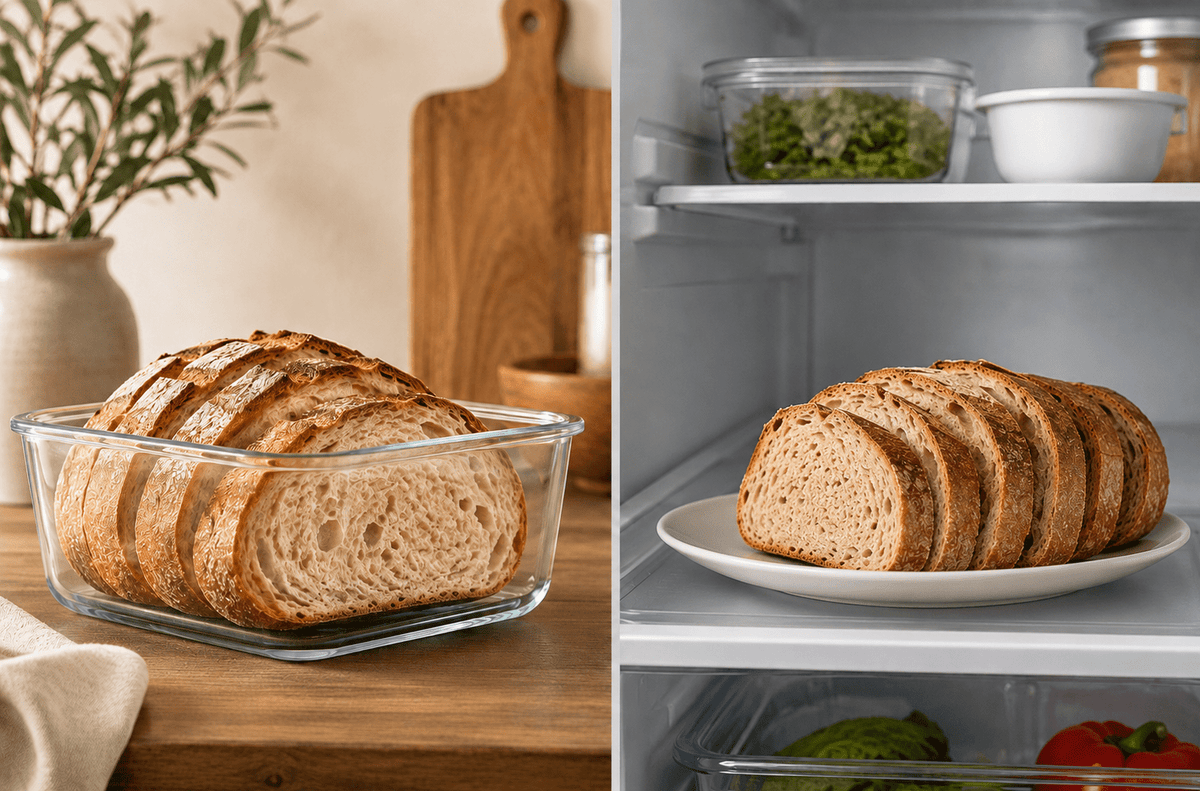

The best way to keep bread fresh longer depends on how quickly you will eat it. For 2 to 3 days, the original packaging at room temperature works fine. For up to 2 weeks, an airtight glass container at room temperature beats every other method — it seals out air without chilling the bread, which is what stales it fastest. For longer than 2 weeks, freeze sliced bread in an airtight container.
You bring home a fresh loaf. By day three it is a brick. By day five it is science. This happens to nearly everyone, and it is not about buying better bread. It is about what happens to bread the moment you break the seal on its packaging.
Bread stales through a chemical process called starch retrogradation. The starch molecules in bread, which soften and swell during baking, gradually recrystallize as the bread cools. That recrystallization is what makes bread hard, dry, and unpleasant. It has nothing to do with mold, and the fix is different from the fix for mold. Treating them as the same problem is why most bread storage advice fails.
A 7-method storage test published by The Kitchn tested every common storage approach over two weeks. The results confirmed what food scientists already knew: the single factor that determines freshness duration is how completely air is sealed out. The specific material matters less than the seal. That insight is the foundation of everything below.
Why Does Bread Go Stale — and Why Is the Fridge the Worst Fix?

Bread goes stale because of starch retrogradation, not air exposure alone. Cold temperatures between 35°F and 40°F accelerate retrogradation by up to six times compared to room temperature. This means refrigerating bread actively speeds up staleness even as it slows mold growth. The fridge is the right answer to the wrong question.
When bread bakes, water molecules bond with starch granules and hold them in a soft, amorphous state. At room temperature, those bonds weaken gradually over days. At refrigerator temperature, the process runs much faster because cold crystalline conditions are precisely where starch molecules want to return. The bread does not dry out in the fridge. The starch structure fundamentally changes.
Mold, by contrast, is a separate problem. Mold needs moisture, warmth, and time. Refrigeration slows mold by removing warmth. But if you are eating your bread within a week, mold is rarely the issue at room temperature. Staleness is. And the fridge makes staleness worse while only marginally addressing mold.
The Science: The freezer is the single exception to the cold-accelerates-staling rule. At temperatures below 0°F, starch retrogradation essentially stops. Freezing does not cause staleness. Thawing and refreezing does.
Related Reading: can you freeze glass containers
Which Bread Storage Method Actually Wins? All 7 Methods Compared
In direct testing across 7 storage methods over two weeks, an airtight sealed container kept bread soft and fresh for the full test period. Paper bags failed within 3 to 4 days. The refrigerator preserved freshness on the surface but accelerated interior staleness. The freezer worked indefinitely but requires planning. For everyday kitchen use, airtight at room temperature is the clear winner.

The 7-method test is worth breaking down method by method because the reasons for success and failure explain exactly what to do — and what not to do.
Paper Bag: Fast and Effective for One Day Only
Paper bags are breathable, which sounds like a good thing for bread. It is not. Breathable means moisture escapes continuously. Within 3 to 4 days, bread stored in a paper bag has lost the internal moisture that determines softness. Artisan bakers sometimes use paper bags for crusty bread specifically because the crust stays crunchier when moisture escapes. For everything else, paper bags are same-day storage only.
Refrigerator: Mold-Slow, Stale-Fast
The fridge is the most counterintuitive bread storage decision in most kitchens. It feels like the safest option. In reality, it extends mold-free life while destroying texture far faster than room temperature storage. If your kitchen is genuinely hot and humid above 75°F with high humidity, refrigeration may be a reasonable compromise. In a normal kitchen, it is not.
Airtight Container at Room Temperature: The Consistent Winner
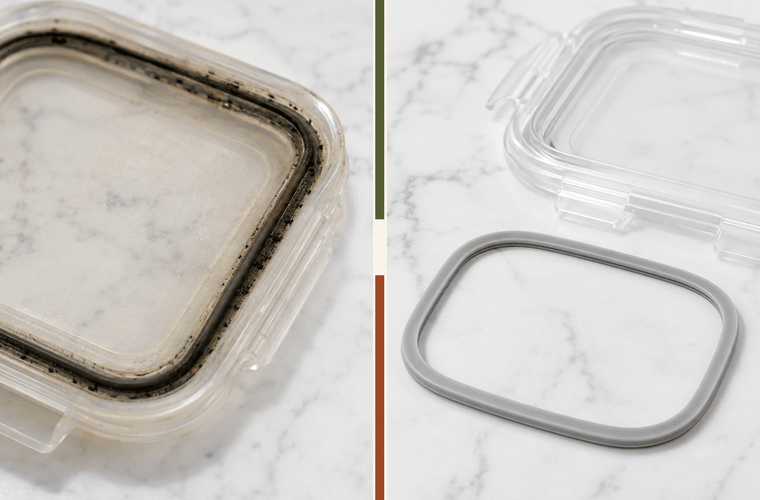
Both the reusable beeswax wrap and the original plastic bag performed well in extended testing, and the reason is the same: both create an effective air seal. The airtight seal slows moisture loss and slows the oxygen-driven portion of staling. An airtight glass container extends that logic further: glass does not absorb odors or moisture the way plastic does over time, and the seal on a quality glass container is more consistent than a twisted bag clip.
For homemade or bakery bread that comes in a paper sleeve, transferring to glass food storage containers with lids is the most significant upgrade you can make to your bread storage routine. The non-porous glass surface keeps the bread tasting only of bread, not of the container.
|
Method |
Freshness Duration |
Mold Risk |
Staling Risk |
Best For |
|
Airtight glass container (room temp) |
Up to 2 weeks |
LOW |
LOW |
Homemade, bakery, sliced bread |
|
Original plastic bag (room temp) |
5–7 days |
MEDIUM |
LOW–MEDIUM |
Store-bought sliced bread |
|
Reusable beeswax wrap (room temp) |
5–7 days |
LOW |
LOW–MEDIUM |
Bakery loaves, crusty bread |
|
Bread box (no plastic) |
3–5 days |
LOW |
MEDIUM |
Artisan and crusty loaves |
|
Freezer (airtight, sliced) |
2–3 months |
VERY LOW |
NONE if sealed |
Long-term storage, bulk baking |
|
Refrigerator |
1–2 weeks (mold only) |
VERY LOW |
VERY HIGH |
Humid climates, short-term only |
|
Paper bag |
1–2 days |
LOW |
VERY HIGH |
Same-day eating only |
How Do You Store Fresh Baked or Homemade Bread So It Lasts Longer?
Homemade bread has no commercial preservatives, so it goes stale one to two days faster than store-bought. The two rules that matter most: let it cool completely before sealing, and move it to an airtight container rather than leaving it in a cloth or paper wrap. Trapped steam from a warm loaf causes mold within 24 hours. Complete cooling takes at least 45 minutes.

The most common homemade bread storage mistake is sealing it too soon. A loaf that feels cool on the outside can still be releasing steam from the interior crumb. That steam has nowhere to go in an airtight container and condenses on the interior walls and the bread surface. Condensation plus bread equals mold, usually within 36 hours.
The wire rack rule: cool for at least 45 minutes on an elevated surface that allows airflow under the loaf. Then slice before storing. A sliced loaf stored in an airtight container exposes less surface area to air with each opening than a whole loaf you cut into repeatedly.
If you are baking in a glass loaf pan, the transfer from pan to rack to container is a natural workflow. Borosilicate glass pans release bread cleanly and the same non-porous property that keeps glass containers odor-free applies to the baking pan as well.
Baking Tip: best loaf pan for bread
How Do You Freeze Bread So It Stays Fresh and Does Not Go Soggy?
Freeze bread sliced, not whole. Individual slices can be removed without thawing the entire loaf, and they toast directly from frozen in 2 to 3 minutes. Use an airtight glass container or a heavy-duty freezer bag with the air fully pressed out. Freezer burn — which is moisture loss to the freezer air — is what causes sogginess, not freezing itself. A true airtight seal prevents it.
The most common freezer bread mistake is freezing a whole unsliced loaf. When you need a slice, you thaw the entire loaf, cut what you need, and refreeze the rest. Each freeze-thaw cycle degrades the bread's texture measurably. A pre-sliced loaf in an airtight container solves this entirely.
Thawing at room temperature takes about 30 minutes for individual slices. Toasting from frozen takes 2 to 3 minutes and produces better results than thawing first for most bread types. The toast method restores the starch structure partially through re-gelatinization during heating, which is the same process that makes fresh bread soft in the first place.
For freezer storage specifically, freezer safe glass containers for soup and other liquids follow the same principle as bread: borosilicate glass handles freezer temperatures without cracking, and the airtight seal means no freezer burn regardless of how long the container sits.
Is a Bread Box Actually Better Than an Airtight Container?
A bread box is better than a paper bag and worse than an airtight container. The ventilated design of most bread boxes allows some moisture loss, which helps crusty artisan loaves maintain their crust texture while extending freshness by a few days over open storage. For standard sliced bread, an airtight container outperforms a bread box consistently.
The bread box was designed for a pre-industrial bread culture where loaves were eaten within two days and crust quality was the priority. For modern households that need bread to last a week or longer, the ventilated design is a limitation rather than a feature.
The one genuine use case for a bread box: if you eat artisan or sourdough bread daily and prioritize crust texture over extended freshness, a bread box kept in a cool, shaded part of your kitchen is a reasonable choice. For everything else, airtight wins.
Storage Tip: Whatever method you choose, keep bread away from direct sunlight and heat sources like the oven or dishwasher. Heat accelerates both staling and mold growth. A cool countertop on the far side of the kitchen from your cooking zone extends freshness by 20 to 30 percent compared to a counter near the stove.
Related Reading: non toxic bread loaf pan
Frequently Asked Questions
How Long Does Bread Last in the Fridge?
Refrigerated bread resists mold for up to 2 weeks, but it goes stale noticeably faster than bread stored at room temperature. Cold temperatures between 35°F and 40°F accelerate starch retrogradation — the chemical process that makes bread hard and dry. Use the fridge only if mold is your primary concern, such as in a hot, humid kitchen where room temperature storage fails within two days.
How Long Does Homemade Bread Last?
Without commercial preservatives, homemade bread lasts 2 to 3 days at room temperature in a bag or wrap, and up to 1 to 2 weeks in an airtight container. Always let it cool completely before sealing. Trapped steam causes mold within 24 hours. Slicing before storing extends usable life because you expose less surface area per serving.
How Do You Store Bread to Keep It Fresh Without a Bread Box?
An airtight container at room temperature works better than most bread boxes for nearly all bread types. Keep it out of direct sunlight and away from heat sources. For homemade or bakery bread without its own packaging, a large glass container with a locking lid is the most effective option available and does not require a dedicated countertop appliance.
Can You Freeze Bread Without It Going Soggy?
Yes. Freeze slices rather than the whole loaf, use an airtight container with the air pressed out, and the bread will not go soggy. Sogginess comes from freezer burn, which is moisture loss through a poor seal, not from freezing itself. Toast directly from frozen for the best texture — thawing at room temperature is optional and mainly useful when you want the bread at sandwich softness.
Does Bread Go Stale Faster in the Fridge?
Yes. Staling is caused by starch retrogradation, and that process runs fastest at refrigerator temperatures. Bread stored in the fridge can go stale up to six times faster than bread stored in an airtight container at room temperature, even when mold does not appear. The fridge is effective at slowing mold but counterproductive for freshness. These are two different problems with two different solutions.
What Is the Best Container to Keep Fresh Baked Bread From Going Stale?
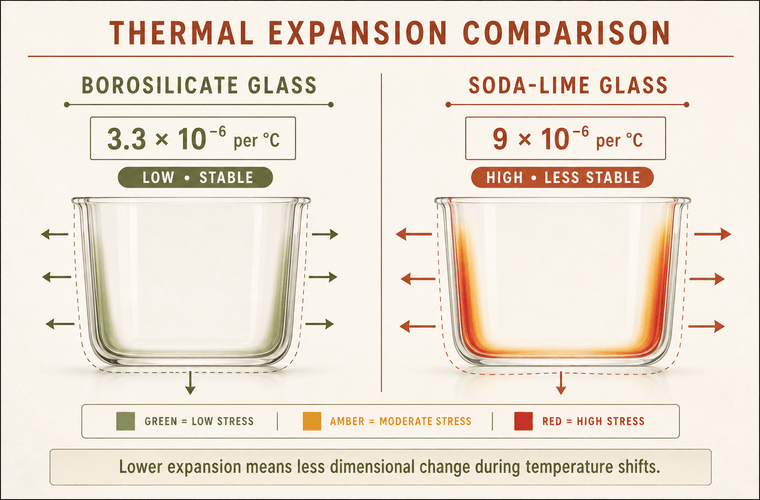
An airtight glass container at room temperature is the best option for both same-day freshness and long-term storage up to two weeks. Borosilicate glass does not absorb odors or moisture, so bread stored in it tastes only of bread. For loaves baked in glass loaf pans, the workflow of cool, slice, and transfer to a sealed glass container takes under five minutes and doubles usable bread life compared to leaving it on the counter in its pan.
The Rule That Covers Every Bread Type
Every bread storage method that works has one thing in common: it limits air exposure. Whether that is the original plastic bag, a wax wrap, or a sealed glass container, the mechanism is the same. The material matters less than the seal.
For people who buy pre-sliced bread and eat it within a week, the original packaging sealed at room temperature is sufficient. For people who bake at home, buy from bakeries, or want bread to last two weeks without freezing, an airtight glass container is worth the five-second transfer after cooling.
If you are also baking the bread yourself, the full workflow from loaf pan to cooling rack to sealed container is worth doing once and then doing automatically. Razab's large glass storage containers with lids are sized for standard loaves sliced flat, and the borosilicate construction handles both the freezer (for longer storage) and the countertop (for daily use) without switching containers.
About the Author
This post was produced by the Razab kitchen team. Wajahat Ali, Razab's founder and CEO, built the brand around one problem: food that spoils faster than it should because the storage is wrong, not because the food was bad. Every Razab container is engineered for the specific properties of the food it holds — airtight for bread and dry goods, borosilicate glass for heat and cold transitions, non-porous surfaces for odor-free reuse. Our mission is to help families reduce food waste through better storage science.
Conversation
Join the discussion