
|
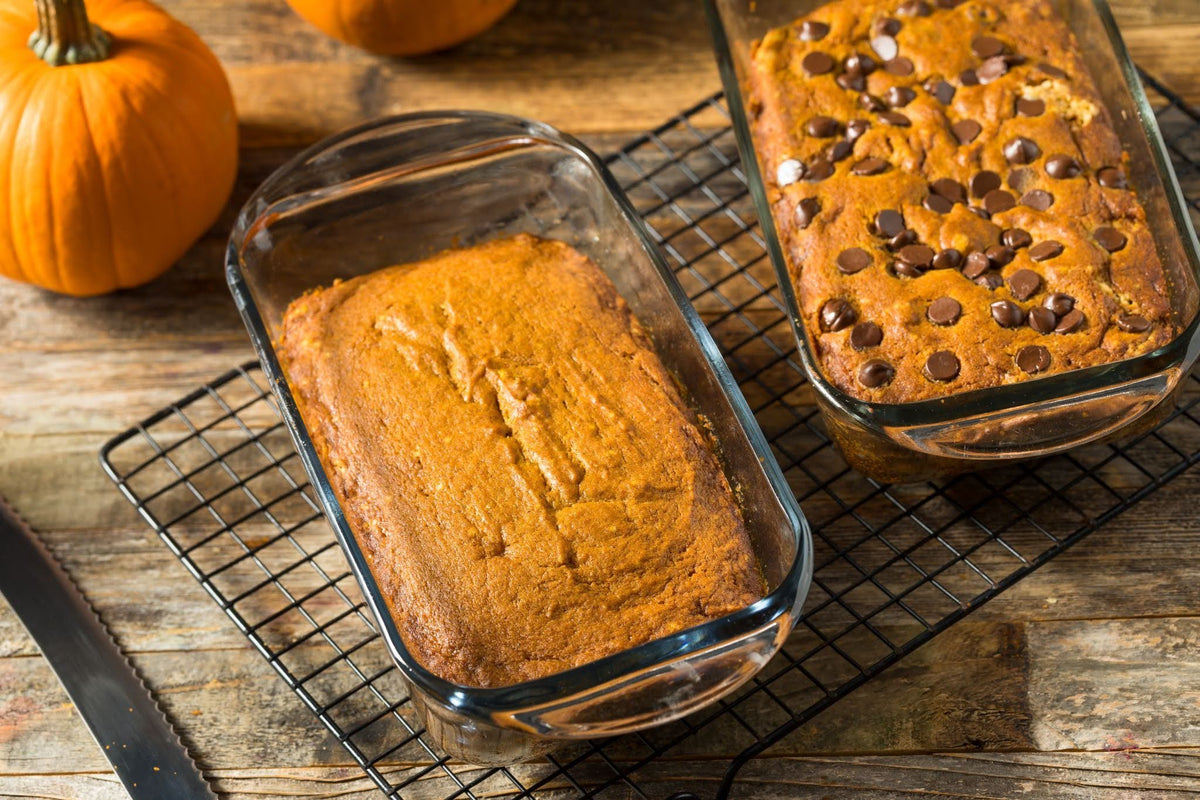
A borosilicate glass loaf pan is completely inert, no PFAS, no PTFE, no ceramic coatings, nothing that leaches into food at any baking temperature. It heats more slowly than metal, browns the crust more gently, and requires a 25°F temperature reduction. In return: you can see exactly what is happening through the walls, move from fridge to oven to table in the same piece, and store leftovers with a lid. No other loaf pan material does all three. |
Every non-toxic bakeware guide written in 2025 and 2026 recommends ceramic or stainless steel. Most mention glass in a single paragraph. None explain what glass actually does differently in the oven, when it outperforms metal, or why the bake-and-store workflow changes everything for home bakers who make the same loaf every week.
This post is specifically about glass loaf pans, the performance differences, the temperature adjustment that most recipes never mention, and the one workflow advantage no other pan material can match. Razab glass loaf pans with lids are the product behind this test. The findings apply to any borosilicate glass loaf pan.

Glass vs Metal vs Ceramic Loaf Pan: The Honest Safety Comparison
|
Borosilicate glass and pure ceramic are the only two loaf pan materials that are completely inert with zero coatings. Stainless steel is also safe but has no lid and cannot go from fridge to oven. Non-stick coatings degrade over time. Glass does not. |
The non-toxic bakeware conversation has focused on eliminating coatings. PFAS, PTFE, and PFOA in non-stick pans have documented concerns at high temperatures. Ceramic-coated metal eliminated those but introduced a ceramic coating that degrades over 2 to 4 years. Stainless steel eliminated coatings entirely but cannot store food and has no lid. Glass vs plastic food storage follows the same logic, inert, coating-free material outperforms anything that relies on a surface treatment to function.
For a complete guide to which glass containers pass the safety comparison across all kitchen uses, the best airtight glass food storage containers guide covers the full Razab size range and how each performs. Glass eliminates all coating concerns, no coating to wear, no chemical to leach at baking temperatures, no surface to scratch, no seasoning to maintain. The material is the same on day one and year ten.
|
Pan Material |
PFAS/PTFE Free? |
Coating? |
Fridge → Oven? |
Bake + Store Same Pan? |
|
Borosilicate glass |
Yes — fully inert |
Zero coatings |
Yes — with care |
Yes — with lid |
|
Ceramic coated metal |
Yes — but coating wears |
Ceramic coating |
No |
No — no lid |
|
Stainless steel |
Yes — inert |
Zero coatings |
No |
No — no lid |
|
Cast iron |
Yes — with seasoning |
Seasoning layer |
No |
No — rusts |
|
Non-stick (PTFE) |
No — PTFE/PFAS |
Teflon coating |
No |
No |
|
Aluminized steel |
Minimal risk dry baking |
No coating, Al leaches |
No |
No |
|
The Coating Wear Problem Ceramic-coated metal pans are non-toxic when new. The coating degrades with high heat and dishwasher use. Most manufacturers recommend replacement every 2 to 4 years. A Razab glass loaf pan has no coating to degrade, the same pan works identically in year one and year eight. |

How Glass Actually Performs in the Oven
|
Glass heats more slowly than metal and retains heat longer. The crust browns more gently and the interior has more time to fully set before the outside is done. The result is a more evenly baked loaf with a softer crust which is what most banana bread, pound cake, and quick bread recipes are designed to produce. |
Glass has a lower thermal conductivity than metal. Metal transfers heat to the pan surface quickly which produces fast browning. Glass absorbs heat gradually and holds it longer. The baking process is slower and more even throughout the loaf. For most home bakers, the slower crust browning is an advantage, the most common quick bread problem is a crust that looks done while the center is still underbaked.
Because the glass walls are transparent, you can see the browning and rise happening without opening the oven door, which is one of the reasons glass meal prep containers are the standard recommendation for anything that goes from oven to fridge. The same visibility that makes meal prep containers useful applies directly to loaf pan baking. For recipes and techniques that use this bake-and-store workflow, 6 easy glass container recipes covers the full cycle in practice.
Yeast bread is the one category where metal performs better. Yeast bread benefits from a hot, fast-browning crust to create the Maillard reaction that produces a chewy, deep-flavored exterior. Metal delivers that crust better than glass. For sandwich loaves and sourdough where crust character is central, metal is the stronger choice.

The 25°F Rule: How to Adjust Any Recipe for a Glass Loaf Pan
|
Reduce oven temperature by 25°F when using a glass loaf pan instead of metal. Add 5 to 10 minutes to the baking time. Check doneness with a toothpick rather than relying on time alone. |
Taste of Home's Test Kitchen confirms this adjustment: glass pans require a 25°F temperature reduction and longer baking times compared to the metal pan most US recipes assume. The full guide to choosing the right baking pan covers how this adjustment applies to every pan format not just loaf pans. Use the table below as a starting point, then confirm doneness with a toothpick.
|
Recipe |
Metal Pan |
Glass Pan |
Time Adjustment |
|
Banana bread |
350°F (177°C) |
325°F (163°C) |
Add 5 to 10 minutes |
|
Sandwich bread (yeast) |
375°F (190°C) |
350°F (177°C) |
Add 5 minutes |
|
Pound cake |
325°F (163°C) |
300°F (149°C) |
Add 10 minutes |
|
Zucchini bread |
350°F (177°C) |
325°F (163°C) |
Add 5 to 10 minutes |
|
Meatloaf |
350°F (177°C) |
325°F (163°C) |
No time change — check 160°F internal |
|
Brownie loaf |
350°F (177°C) |
325°F (163°C) |
Check 5 min early — base browns fast |
The doneness check matters more with glass than with metal because the slower baking process makes visual cues less obvious. A toothpick inserted in the center should come out with a few moist crumbs, not wet batter. An instant-read thermometer reading of 200°F to 210°F confirms a fully baked quick bread or pound cake. For meatloaf, 160°F internal temperature is the food safety threshold.
|
Quick Check Before You Start Look at your recipe's required pan size before using a glass loaf pan. Most are 9x5 inches or 8.5x4.5 inches, the same standard as metal. If the recipe specifies 8.5-inch, confirm your glass pan matches before adjusting temperature. Wrong pan size changes baking time more than the material does. |
From Fridge to Oven to Table: The Workflow Only Glass Enables
|
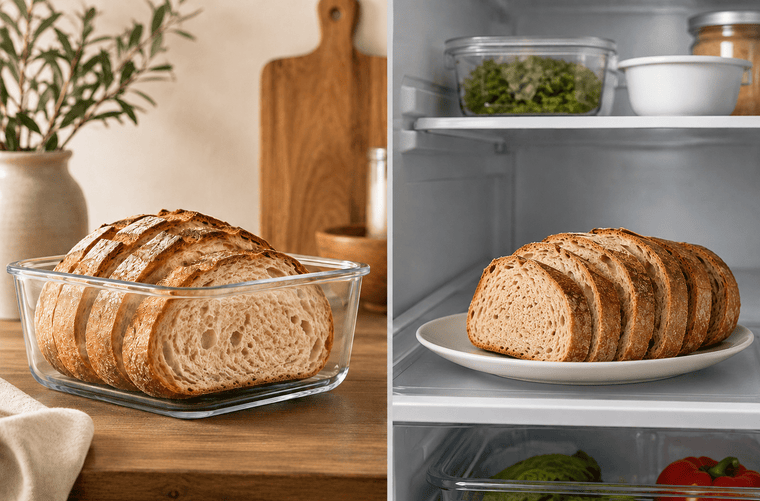
A glass loaf pan with a lid is the only loaf pan format that handles the full food cycle in one vessel: mix, bake, serve, cool, seal, refrigerate. No transfer, no extra containers, no additional cleanup. This workflow is not possible with any other loaf pan material. |
Metal loaf pans have no lid. Ceramic loaf pans have no lid. Cast iron rusts in the fridge. Stainless steel reacts with acidic foods in long storage. Only a glass loaf pan with a lid completes the full cycle. For a family that bakes banana bread or zucchini loaf weekly, this eliminates one plastic wrap use and one container wash every single bake.
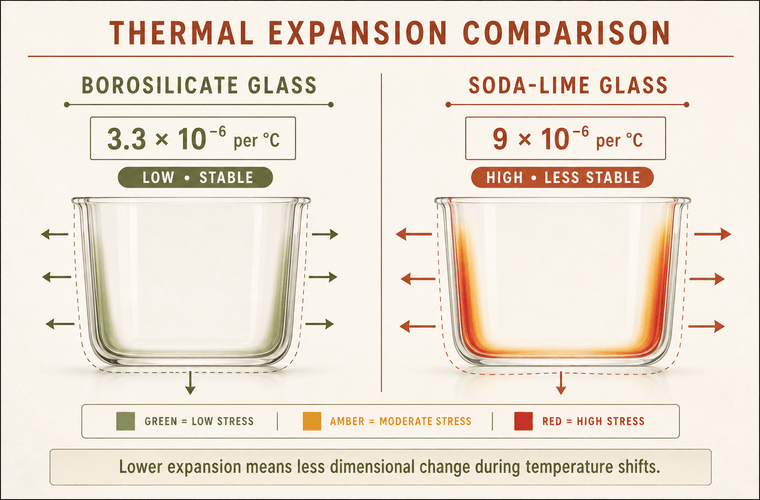
The temperature transition requires one precaution: do not move cold glass directly from the refrigerator into a preheated oven. Let the pan equilibrate at room temperature for 15 to 20 minutes first. Why borosilicate glass handles temperature transitions differently than standard glass is explained in full in the borosilicate vs tempered comparison, the lower coefficient of thermal expansion means the glass barely changes shape as temperature shifts.
The same property that makes borosilicate safe for the oven also makes it safe for the freezer. Can glass go in the freezer covers exactly which glass types survive freeze-thaw cycling and which crack. The short answer: borosilicate passes, standard tempered glass fails under repeated cycling. The loaf pan construction is the same material, which is why the oven-to-fridge transition is safe in borosilicate and not in standard glass.

When Glass Is Not the Right Loaf Pan
|
Glass is not the best choice for every loaf. Yeast bread and sourdough benefit from the fast, high-heat crust formation that metal produces better. Glass is optimized for low-to-medium temperature baking where even heat and longer contact time produces better results. |
For sourdough, artisan sandwich bread, and yeast bread where crust quality is central, metal or a Dutch oven is the better tool. The Maillard reaction happens faster and more completely with the higher surface temperatures metal produces. Taste of Home's Test Kitchen specifically recommends metal for bread, cakes, bars, and brownies where that browning is desired.
For quick breads, pound cakes, banana bread, zucchini bread, meatloaf, and casseroles, glass matches or outperforms metal. These recipes benefit from even heat and a softer crust. They are also the recipes where the bake-and-store workflow is most valuable. For savory recipe ideas that use this glass-to-fridge workflow, baked chicken thighs recipe shows how the same principle applies to oven-cooked proteins. And for a broader look at how glass containers handle meal prep from start to finish, how long does meal prep last in glass containers covers the freshness timeline from bake day through the end of the week.
There is also one category that needs extra care, foods with strong residual flavors. While glass does not absorb odors, food residue left behind can affect the taste of future dishes if the pan is not cleaned properly. Learn more about the foods that need special attention in our guide on Stop Putting These 5 Foods in Glass Containers.

How to Use a Glass Loaf Pan: Practical Rules
Greasing and lining
Glass is not naturally non-stick. Grease generously with butter, oil, or cooking spray, then add a parchment paper liner that overhangs the long sides. This creates a sling that lets you lift the loaf out cleanly after cooling.
Temperature and timing
Reduce recipe temperature by 25°F. Add 5 to 10 minutes to the expected baking time. Start checking for doneness 5 minutes before the adjusted time. A toothpick in the center should come out with a few moist crumbs attached, not wet batter.
Cooling
Cool in the pan for 10 minutes after removing from the oven, then lift out using the parchment sling and rest on a wire rack for at least 30 minutes before slicing. The interior continues setting from retained heat, cutting too early produces a gummy center.
Storage with the lid
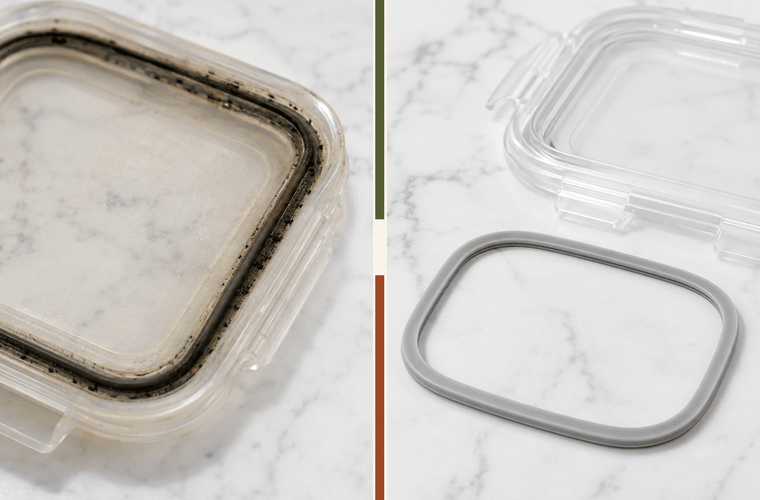
Snap the lid onto the cooled pan and store directly in the fridge. Glass does not need plastic wrap. Replacement lids are available separately if the lid seal degrades over time, the pan itself outlasts any lid. For anyone building a full non-toxic glass kitchen system, glass food storage containers with lids covers the range that pairs with the loaf pan for weekly food prep.
Cleaning
Dishwasher safe on the top rack. For baked-on residue, soak in warm water for 20 minutes before washing. Glass does not stain from acidic ingredients and does not absorb food odors, a glass pan that baked spiced pumpkin bread will not transfer those flavors to the next meatloaf.
Glass for baby food and specialty uses
One underused application for glass loaf pans: portioned food for infants and toddlers. The inert surface and oven-safe construction make glass particularly suitable where chemical leaching is a primary concern. Best containers for homemade baby food covers the full case for glass in early feeding, the same material properties that make the loaf pan safe for baking apply directly to baby food storage.

FAQs
Is a glass loaf pan safe for baking?
Yes. Borosilicate glass is completely inert, no PFAS, PTFE, ceramic coatings, or any chemical that leaches into food. Glass vs plastic food storage covers the full safety comparison across all kitchen formats, the loaf pan follows the same material principle.
Do you need to adjust temperature for a glass loaf pan?
Yes. Reduce oven temperature by 25°F compared to the recipe's metal pan temperature. Add 5 to 10 minutes to baking time. Check doneness with a toothpick rather than relying on time alone.
Is baking in metal vs glass loaf pan really different?
Yes, meaningfully different. Metal heats faster and produces a darker, crispier crust through rapid heat transfer. Glass heats more slowly, retains heat longer, and produces a softer crust with a more evenly baked interior. The practical difference: reduce oven temperature by 25°F when switching from metal to glass and add 5 to 10 minutes baking time. For quick breads and banana bread, glass consistently produces more even results. For sourdough and yeast breads where crust character matters, metal performs better.
What does America's Test Kitchen recommend for loaf pans?
America's Test Kitchen's loaf pan testing has consistently recommended heavy-gauge metal pans for yeast breads and sourdough where crust browning is the priority. For non-toxic baking specifically, where avoiding PTFE, PFAS, and ceramic coatings is the goal, borosilicate glass is the only coating-free material that also goes from oven to fridge in the same piece. ATK's broader bakeware guidance confirms the 25°F temperature reduction rule when using glass instead of metal, which applies to every quick bread and pound cake recipe.
Is glass or metal better for baking bread?
Depends on the bread. Metal is better for yeast bread and sourdough. Glass is better for quick breads, banana bread, pound cake, and meatloaf. For a full breakdown of when each pan material performs best, choosing the right baking pan covers every format with specific recipe guidance.
Can a glass loaf pan go from fridge to oven?
Yes, with one step: let the cold pan sit at room temperature for 15 to 20 minutes first. Can glass go in the freezer covers the full thermal shock question for borosilicate glass, the same properties that make it freezer-safe also make the fridge-to-oven transition safer than standard glass.
What is the best non-toxic loaf pan?
Borosilicate glass and pure ceramic are the two safest options both completely inert with no coatings. Glass stores leftovers in the same pan with a lid. See the best airtight glass food storage containers guide for the full Razab range comparison.
Can I store watermelon and other produce in a glass loaf pan?
A glass loaf pan with lid works well for storing cut produce like watermelon, mango, and cucumber because glass does not absorb food odors or flavors between uses. How to store watermelon so it stays juicy for 8 days uses this exact principle, sealed glass keeps cut watermelon fresh significantly longer than plastic wrap or bags.
The glass loaf pan is not the right choice for every loaf. But for the recipes most home bakers make every week banana bread, pound cake, zucchini bread, meatloaf — it is the only pan that bakes, stores, and serves in the same piece without any coating to maintain or replace.
The 25°F adjustment and the parchment sling are the two technique changes that make glass perform exactly as the guides describe. Browse the full Razab glass loaf pan range — borosilicate construction, oven-to-fridge safe, available in standard sizes. For the full non-toxic glass kitchen, glass food storage containers with lids cover the complete system from meal prep to pantry storage.
|
About the Author Produced by the Razab Product Research Team. We baked over 40 loaves across glass, metal, ceramic, and stainless steel pans to confirm exactly how each material performs. Razab is a woman-owned brand, designed in New York. |
Conversation
Join the discussion