
How to Deep Clean Glass Food Containers and Get Rid of Smells, Stains, and Haze
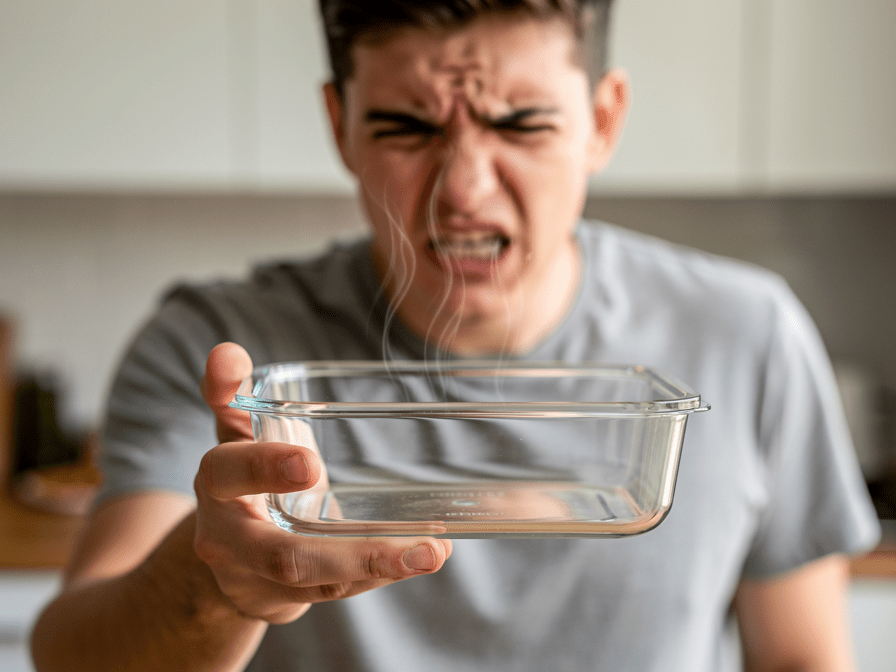
You pulled a glass container out of the cabinet and it smells like last Tuesday's salmon. Or the lids have a faint orange tint from three weeks of tomato soup. Or there is a foggy white film on the glass that soap and water will not touch.
This is not a quality problem. It is a cleaning problem. Glass is one of the most hygienic materials you can store food in, but it needs specific care for specific issues. Most people clean their glass containers the same way they clean a dinner plate. That works for daily use, but it does not clear deep odors, mineral buildup, or pigment stains.
This guide covers how to clean glass food containers for every problem you might run into. Smells, stains, cloudiness, sticky lids, and more. Each fix takes things you already have at home and less than ten minutes.

How to Wash Glass Food Containers After Everyday Use
For regular daily washing, glass containers do not need anything complicated. Warm water, dish soap, and a soft sponge handle the job. The key habit most people skip is washing lids and gaskets separately.
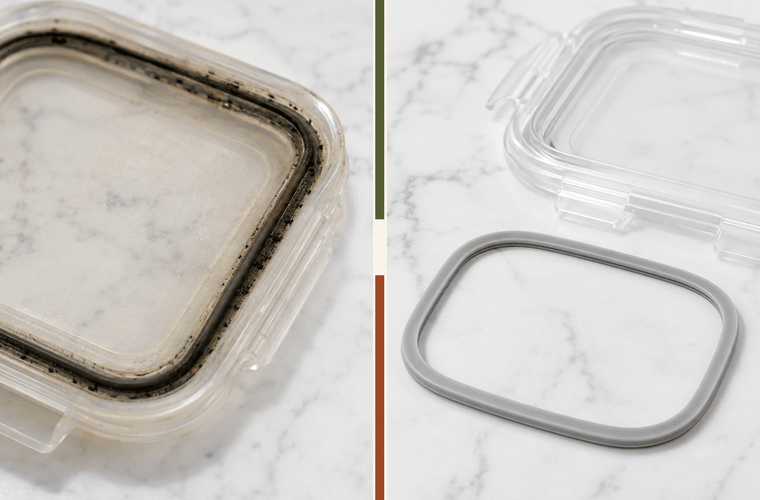
The silicone gasket in most glass container lids is where odors and bacteria hide. Pull it out of the lid groove before washing. Rinse it under warm water, clean the groove with a small brush (an old toothbrush works perfectly), and let it air dry fully before reassembling. Skipping this step is why lids start to smell even after washing.
Glass bodies are dishwasher-safe on the bottom rack. Lids go on the top rack only, away from the heating element. If your dishwasher runs very hot dry cycles, air dry the lids separately instead.
Want the full breakdown of dishwasher do's and don'ts? The complete guide to putting glass containers in the dishwasher covers temperature limits, lid placement, and how to prevent etching.
How to Remove Smell From Glass Food Containers
Glass itself does not absorb odors. The smell comes from the silicone gasket, and sometimes from invisible food residue sitting in lid grooves or seams. This is the most common complaint about glass containers, and the fix is simple.
The White Vinegar Soak (Works 90% of the Time)
- Remove the silicone gasket from the lid.
- Mix equal parts white vinegar and water in a small bowl.
- Submerge the gasket completely and let it soak for 30 minutes.
- Rinse well with warm water.
- Let it air dry completely before putting it back in the lid. This part matters. Reassembling while damp causes the smell to return.
Still Smelling After Vinegar?
Try a baking soda paste. Mix baking soda with just enough water to form a thick paste, coat the inside of the glass container, and let it sit for two hours. Rinse thoroughly. Baking soda is alkaline and neutralizes acidic food odors rather than just masking them.
For very stubborn odors, sunlight exposure works surprisingly well. Leave the clean, dry container open in direct sunlight for a few hours. UV light breaks down odor-causing compounds that detergents miss.
|
Did You Know? According to the National Sanitation Foundation (NSF), the silicone seals in food container lids are among the germiest spots in the average American kitchen — ahead of door handles and faucets. Removing and washing the gasket separately is one of the most effective hygiene habits you can build. |
How to Remove Stains From Glass Food Containers
Tomato sauce, turmeric, and berry-based foods leave the most stubborn stains on glass. These stains come from natural pigment compounds, mainly lycopene in tomatoes, binding to tiny surface irregularities. The stains look permanent. Most are not.
Baking Soda + Dish Soap Paste
This is the most effective and safest method for most food stains:
- Add a few drops of dish soap to a tablespoon of baking soda.
- Mix into a paste and apply it directly to the stained area.
- Let it sit for 15 to 20 minutes.
- Scrub gently with a non-abrasive sponge.
- Rinse with warm water and repeat if needed.
Sunlight Method for Tomato Stains
This one surprises people. Wash the container normally, then leave it in direct sunlight while slightly damp. UV exposure bleaches out tomato pigment naturally within a few hours. Razab customers report this works better than any commercial cleaner for orange tomato stains.

Hydrogen Peroxide for Stubborn Stains
For deep set stains, fill the container halfway with a 3% hydrogen peroxide solution (the standard pharmacy bottle). Let it soak for one to two hours, then wash normally. This is safe for borosilicate glass and will not leave residue.
How to Clean Cloudy Glass Food Containers
A white haze or film on glass containers is almost always caused by hard water mineral deposits, not etching or damage. About 85% of American homes have hard water, according to the U.S. Geological Survey. This film is calcium and magnesium carbonate left behind when water evaporates.
The fix is acid-based, because acid dissolves mineral deposits that soap cannot touch.
White Vinegar Rinse
Fill the container with undiluted white vinegar. Let it soak for one hour. Swirl and rinse with warm water. For heavy buildup, repeat once. Your glass will come out clear.
Citric Acid Soak (Stronger Option)
Dissolve one tablespoon of citric acid powder in two cups of warm water. Pour into the container and soak for two hours. Citric acid is food-safe, biodegradable, and more concentrated than vinegar. It removes mineral deposits from lids and gaskets too.
Using a rinse aid in your dishwasher prevents this buildup from forming in the first place. Add it to your dishwasher's rinse aid compartment and refill monthly.

Quick Reference: Common Problems and Fixes
Here is a breakdown of the most common glass container cleaning problems and the right solution for each.
|
Problem |
Cause |
Fix |
|
Food smells that won't go away |
Silicone gasket absorbing odor |
Soak gasket in white vinegar + water for 30 min |
|
Cloudy white haze on glass |
Hard water mineral deposits |
White vinegar rinse or diluted citric acid soak |
|
Tomato sauce stains |
Lycopene pigment bonding to surface |
Sunlight exposure + baking soda paste |
|
Musty lid smell |
Trapped moisture under gasket |
Remove gasket, dry fully before reassembly |
|
Greasy film after washing |
Soap residue or food fat |
Soak in hot water + dish soap + baking soda |
How to Deep Clean Glass Food Storage Containers
Once a month, a thorough clean keeps containers in perfect condition long term. This takes about 15 minutes total and covers glass bodies, lids, gaskets, and sealing grooves.
- Disassemble everything. Remove lids, pop out silicone gaskets, and set the parts separately.
- Soak glass bodies. Mix one tablespoon of baking soda per quart of hot water in your sink. Submerge glass containers for 20 minutes.
- Soak gaskets in vinegar. Equal parts white vinegar and water for 30 minutes while the glass soaks.
- Clean lid grooves. Use an old toothbrush to scrub the sealing groove on each lid. Food residue collects here and causes mold even when the rest of the lid looks clean.
- Rinse and inspect. Hold glass up to a light source after rinsing. Any remaining haze means mineral buildup. Do a quick vinegar rinse if needed.
- Dry fully before reassembly. Air dry on a clean rack. Trapped moisture between lid and gasket is the main cause of mold in glass container sets.
|
Containers worth cleaning: If you are putting this much care into cleaning, your containers should be worth it. Razab, trusted by over 10 million families across America, builds its glass food storage containers with lids from borosilicate glass that does not absorb odors, stain from tomato sauce, or cloud over time. |
How to Clean Glass Container Lids the Right Way
Lids take more abuse than the glass bodies. They touch food, stack against other lids, and trap moisture in their seams. Most lid problems, including smell, mold, and discoloration, come down to three spots: the gasket, the groove that holds it, and the underside of the lid body.
- The gasket: Remove and soak in vinegar water. Do this monthly, not just when you notice a smell.
- The groove: Use a toothbrush. The silicone groove traps liquid and residue that a normal sponge cannot reach.
- The lid body: Top rack of dishwasher only. The bottom rack heating element warps plastic lids over time.
- Mold on the lid: Soak the entire lid in undiluted white vinegar for one hour, then scrub with a toothbrush and wash normally. Ensure it dries completely before storage.
One thing to check: if your lid has lost its airtight snap even after cleaning, the gasket may have worn out. Razab sells replacement lids for its container sets, which is more cost-effective than replacing the full set.
If gaskets are wearing out on multiple containers at once, it might be time for a fresh set. The glass meal prep containers collection includes sets with silicone-sealed snap lids built to last through years of regular use.
Why Do Glass Containers Smell After Washing?
This is one of the most searched questions about glass food storage, and the answer is almost always the same: the gasket.
Glass is non-porous. It does not absorb smell. But silicone, the material used in most lid gaskets, is slightly porous and can hold onto volatile odor compounds from strong foods like garlic, onions, fish, and fermented foods. Standard dishwasher cycles often do not get hot enough to eliminate these compounds from the silicone.
Secondary causes: food residue trapped in lid groove seams, inadequate drying before storage, or using cold water to wash (cold water is less effective at releasing grease and food film).
The vinegar soak method above resolves this in almost every case. If the smell returns quickly after each vinegar treatment, the gasket may need to be replaced.

How to Clean Glass Containers With Baking Soda
Baking soda is the most useful tool in glass container care. It is mildly abrasive, alkaline, and completely food-safe. Here are the specific uses:
- Odor neutralizer: Leave dry baking soda in a clean, closed container overnight. Rinse in the morning. Works for light smells.
- Stain remover: Baking soda paste (mixed with dish soap or water) applied directly to stains, left for 20 minutes, then scrubbed away.
- Deep soak additive: One tablespoon per quart of hot water in the sink for a full container soak. Loosens food film and light grease.
- Lid groove cleaner: Apply a small amount of dry baking soda with a toothbrush to the groove, add a drop of water, scrub, and rinse.
What baking soda does not fix: hard water mineral deposits (use vinegar for that) and deep-set gasket odors (vinegar soak is more effective for silicone).

Is Glass Actually Easier to Clean Than Plastic?
Yes. Not because glass is magic, but because of material science. Glass is non-porous, meaning food compounds cannot penetrate the surface the way they do with plastic. The full comparison is covered in the glass vs plastic food storage containers guide, but the cleaning difference comes down to one fact: tomato sauce sits on top of glass, not inside it. That is why a stain on a glass container can usually be soaked out while the same stain on a plastic container is permanent.
Plastic also scratches easily. Every scratch creates a harbor for bacteria that soap and hot water cannot fully reach. Glass surfaces stay smooth indefinitely under normal use.
The one thing glass needs that plastic does not: mineral deposit management if you have hard water. A monthly vinegar rinse handles that completely.

FAQs
How do I get rid of food odor in glass containers that won't go away?
The smell is almost always coming from the silicone gasket, not the glass. Remove the gasket and soak it in equal parts white vinegar and water for 30 minutes. Rinse well and air dry completely before reassembling. For stubborn odors, add a baking soda soak on the glass body and leave the container open in direct sunlight for a few hours.
Why does my glass container look foggy or cloudy after washing?
Cloudy glass is caused by hard water mineral deposits, not damage. About 85% of US homes have hard water. Fill the container with undiluted white vinegar, let it soak for one hour, then rinse. For heavy buildup, a citric acid soak is more effective. Using dishwasher rinse aid regularly prevents this from forming.
How do I get tomato sauce stains out of glass food containers?
Apply a baking soda and dish soap paste directly to the stain, let it sit for 20 minutes, then scrub with a non-abrasive sponge. For stubborn orange stains, wash the container and leave it slightly damp in direct sunlight for a few hours. UV exposure bleaches tomato pigment naturally. Hydrogen peroxide soak is a stronger option for deep-set stains.
Can I use bleach to clean glass food containers?
Bleach can be used to sanitize glass, but it is not recommended for regular cleaning. It degrades silicone gaskets over time, which are the most odor-prone part. White vinegar and baking soda are more effective for the problems people encounter with glass containers and do not damage any components.
How often should I deep clean my glass food storage containers?
A thorough deep clean once a month is enough for containers in regular use. This means disassembling lids, soaking gaskets in vinegar, and soaking glass bodies in baking soda water. Daily washing handles normal use. The monthly deep clean catches buildup before it becomes a problem.
Why do my glass container lids smell even after I run them through the dishwasher?
Dishwasher cycles often do not get hot enough to remove odor compounds from silicone gaskets. The gasket needs to be removed and soaked separately in white vinegar. Remove it from the lid groove, soak for 30 minutes in equal parts vinegar and water, rinse thoroughly, and let it air dry fully before putting it back. Reassembling while damp reintroduces the smell.
The Short Version
Glass containers are easy to maintain when you know which problem needs which solution. Smells come from the gasket. Stains come from pigment. Cloudiness comes from hard water. Each one has a direct fix that uses household items and takes under 15 minutes.
The containers most worth cleaning are the ones built to last. Razab's borosilicate glass food storage containers are used by over 10 million American families specifically because they do not absorb odors, stain permanently, or cloud over time. With regular care, they outlast plastic by years.
Upgrade your storage: Browse the full range of airtight glass storage containers — sets from 6 to 30 pieces, with replacement lids available separately.
Conversation
Join the discussion