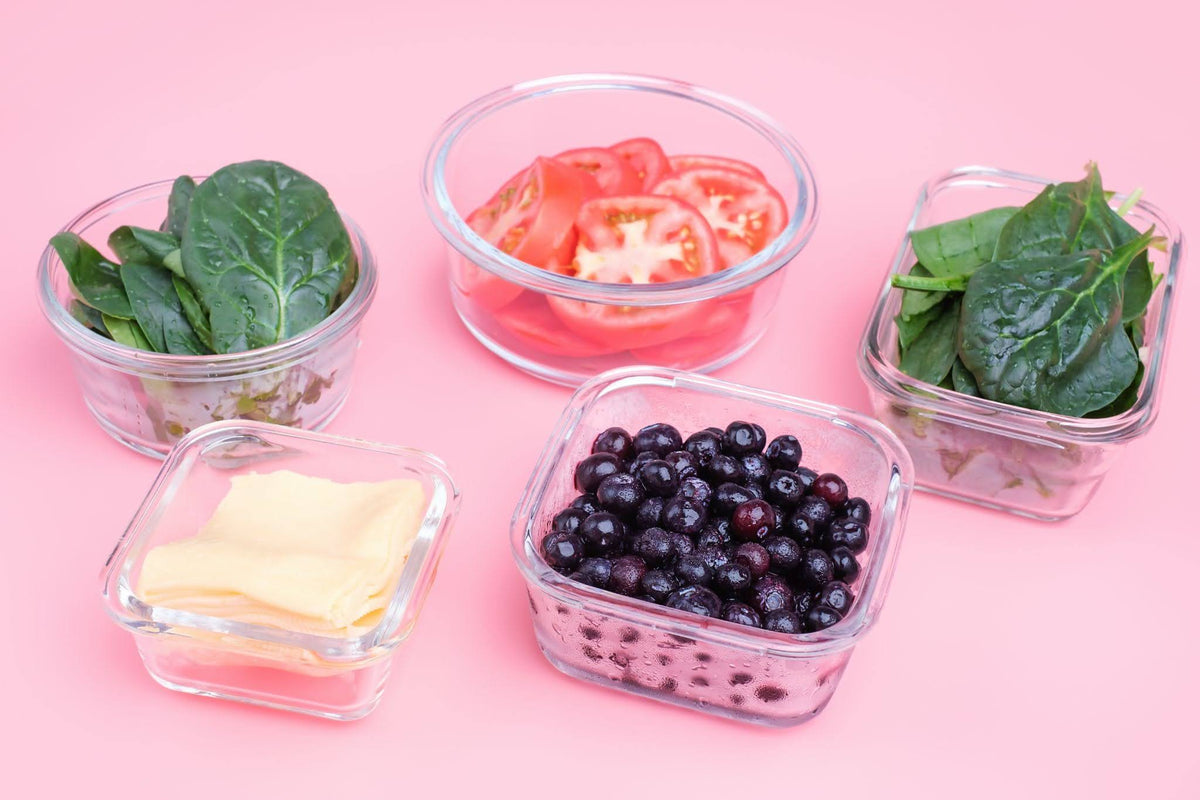

Somewhere between Sunday afternoon and Wednesday lunch, the container fails. The lid warps. The plastic absorbs the smell of last week's chili. Or you pull it from the microwave and realize you probably should not have done that.
Choosing the right reusable containers for meal prep is one of those decisions that seems small but shows up every single day. The wrong pick costs you time, money, and honestly, a little peace of mind. This guide covers what to look for, which materials actually hold up, and how to organize everything once you have them.
If you are new to the habit, the glass meal prep containers category has expanded a lot in 2026. There are good options at every price point, but the differences between materials matter more than most people realize.
Why Reusable Meal Prep Containers Are Worth the Upfront Cost

Reusable containers cost more upfront than disposable alternatives, but they pay for themselves within a few months of regular use. A set of quality glass containers used three times a week replaces hundreds of single-use containers over a year.
The environmental case is clear. But the practical case is just as strong. Reusable containers designed for food storage keep meals fresher longer, hold up to repeated washing without degrading, and do not leach chemicals into your food when heated.
|
Study Finding A 2021 study published by the National Institutes of Health found that plastic food containers can release microplastic particles into food, particularly under heat. Glass and stainless steel containers showed no such leaching in similar conditions. Source: NIH National Library of Medicine (ncbi.nlm.nih.gov). |
Beyond the health angle, there is a real financial argument. According to the EPA, the average American family spends over $1,300 a year on food that gets thrown out. Proper food storage directly reduces that number. Airtight reusable containers extend the usable life of prepped meals by two to three days compared to loosely covered alternatives.
What to Look for in Reusable Meal Prep Containers

Before buying anything, run through this quick checklist. Most containers look fine online, but fail on at least one of these in real-world use.
Material Safety First
The material determines everything: how food tastes after storage, whether the container is microwave-safe, and how long it will realistically last. Glass and stainless steel are the most durable long-term options. BPA-free plastic is a middle ground, but quality varies significantly between brands.
Lid Seal Quality
A lid that does not seal properly is the most common failure point. Look for locking mechanisms on all four sides for liquid-heavy meals. Snap-lock lids create a reliable airtight seal that prevents spills during transport. Avoid containers where the lid just rests on top without any locking feature.
Oven, Microwave, and Freezer Compatibility
The best reusable meal prep containers work across all three: oven, microwave, and freezer. Glass containers handle this transition well. You can move them from freezer to oven without transferring food to another dish. That kind of flexibility cuts prep time significantly.
Size Range and Stackability
A single size does not work for every meal. A useful set includes at least one large container for batch cooking and two or three medium containers for portioned lunches. Stackable shapes save a lot of fridge and cabinet space over time.
Reusable Container Materials Compared

Here is a side-by-side look at the most common materials used in reusable meal prep containers. Use this to match your priorities with the right material.
|
Material |
Odor Absorbent |
Stains |
Microwave Safe |
Freezer Safe |
Dishwasher Safe |
Lifespan |
BPA Status |
|
Borosilicate Glass |
No |
No |
Yes |
Yes |
Yes |
10+ years |
BPA-free |
|
BPA-Free Plastic |
Some over time |
Yes |
Limited |
Yes |
Yes |
2-5 years |
BPA-free |
|
Standard Plastic |
Yes |
Yes |
Risk |
Warps |
Degrades |
1-2 years |
May contain BPA |
|
Stainless Steel |
No |
No |
No |
Yes |
Yes |
10+ years |
BPA-free |
Glass wins for daily cooking, microwave use, and long-term value. Stainless steel works well for packed lunches and travel. BPA-free plastic has its place for lightweight portability, but it is not a forever container the way glass is.
Best Types of Reusable Containers for Meal Prep
There is no single best container for every situation. The right choice depends on what you are prepping, how you store it, and how you eat during the week.
Glass Containers for Everyday Meal Prep

Glass containers are the best all-around option for most meal preppers. They do not absorb smells or flavors, go from fridge to microwave or oven without any issues, and wash completely clean every time.
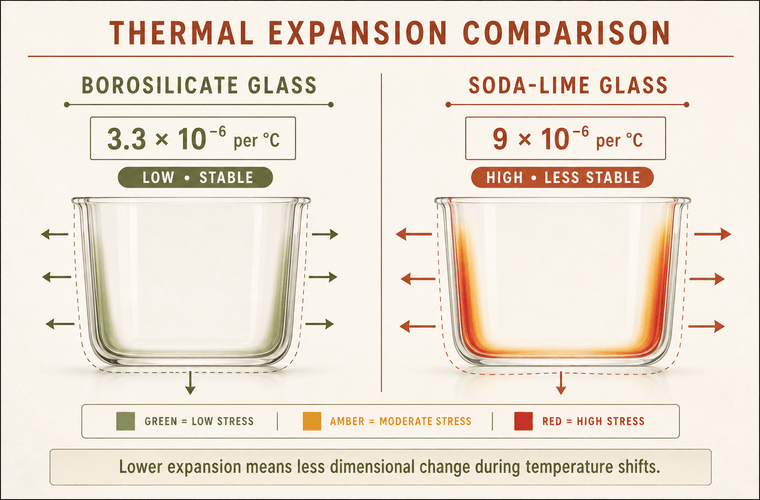
Borosilicate glass is the specific type to look for. It handles sudden temperature changes without cracking. Standard soda-lime glass is less heat-resistant and more likely to break with regular use.
Razab, trusted by over 10 million families, builds its containers from borosilicate glass specifically because it holds up to the daily demands of real meal prep. Customers consistently note that the lids stay airtight for months without warping. Browse the full range of glass food storage containers with lids to find the size that fits your weekly routine.
Reusable Deli Containers for Portioned Foods

Reusable deli containers are round, stackable, and sized for soups, grains, sauces, and small side dishes. The round shape makes them easy to fill and pour from. They stack well in both the fridge and cabinet.
These work especially well for meal preppers who cook large batches of grains or legumes and portion them out for the week. The 480 ml to 600 ml range covers most single-serving needs without taking up too much fridge space.
Large Batch Containers for Freezer Meal Prep

Freezer meal prep requires containers that can handle the freeze-and-reheat cycle repeatedly without cracking or warping. Glass containers with secure locking lids are the most reliable option for this.
For large batch cooking, a 3300 ml or larger container gives you enough capacity for full casseroles, stews, and soups. Freezer meal prep works best when containers are labeled, dated, and stacked horizontally to maximize freezer space.
|
Practical Tip Always leave one inch of space at the top when filling containers for the freezer. Liquids expand as they freeze. Not leaving this space is one of the most common reasons lids crack or pop off during freezing. |
Multi-Compartment Containers for Balanced Meals

Divided containers keep foods separate inside the same container. They work well for anyone prepping balanced meals with a protein, grain, and vegetable component. No more soggy salads or sauces bleeding into everything else.
Look for glass multi-compartment containers where the divider is part of the glass itself, not just a removable insert. Integrated dividers are easier to clean and do not shift during transport.
How to Organize Reusable Meal Prep Containers Efficiently

The biggest complaint about meal prep containers is not the containers themselves. It is finding the right lid five minutes before you need to leave. Organization is the part most storage guides skip entirely.
Store Lids and Containers Together
Matching lids to containers takes time when they are stored separately. The simplest fix is to store each container with its lid attached or nested directly inside. This takes up more vertical space but saves the hunting.
For cabinets with deep shelves, use a pull-out bin or a simple tension rod to create a vertical divider. Stand containers upright with lids attached. Everything becomes visible at a glance.
Use a Consistent Set, Not a Random Mix
Mixing brands and sizes creates the lid problem in the first place. A consistent set where all lids share the same base dimensions solves most organizational headaches. Sets of 10 or 16 containers in matching sizes stack cleanly and take up a fraction of the space.
Razab, featured in Better Homes and Gardens and Food Network, designs its sets for exactly this reason. The 30-piece glass meal prep set includes multiple sizes that all share compatible lids, which eliminates the lid mismatch problem completely.
Label by Meal and Date
Masking tape and a permanent marker is still the most reliable labeling system for home meal preppers. Write the meal name and the date prepared. Most prepped meals in glass containers stay fresh for four to five days in the fridge. Anything beyond that belongs in the freezer.
According to Food Safety, cooked leftovers should be refrigerated within two hours of cooking and consumed within three to four days. Proper labeling makes it easy to track this without guessing.
Rotate Stock Front to Back
Put newer containers behind older ones every time you do a prep session. This front-to-back rotation is the same method commercial kitchens use. It prevents good food from being forgotten at the back of the fridge.
Ready to build a container system that actually works? Explore all Razab collections and find the set that fits your prep style.
FAQs
What are the best reusable meal prep containers overall?
Glass containers made from borosilicate glass are the best all-around choice. They handle microwave, oven, and freezer use without warping or absorbing smells. A matched set with locking lids gives you the most flexibility for weekly meal prep.
Are reusable deli containers safe for meal prep?
Yes, if they are labeled BPA-free and designed for food use. Reusable deli containers work well for soups, grains, and portioned side dishes. Glass or BPA-free plastic deli-style containers in the 400 to 600 ml range cover most single-serving needs.
Can I put glass meal prep containers in the freezer?
Yes. Borosilicate glass is freezer-safe. Leave about one inch of headspace at the top to allow for liquid expansion. Avoid moving glass containers directly from a very cold freezer to a hot oven without letting them come to room temperature first.
How long does food last in reusable glass containers?
Most cooked meals last three to five days in the fridge when stored in airtight glass containers. For longer storage, use the freezer. Glass containers with locking lids create a tight enough seal to extend freshness noticeably compared to loosely covered alternatives.
What size reusable containers do I need for meal prep?
A useful set includes at least one 3,000 ml or larger container for batch cooking, two to four containers in the 1,500 to 2,000 ml range for main meals, and two or three smaller 600 to 1,000 ml containers for sides and snacks.
Are glass meal prep containers better than plastic for weight loss?
Glass containers do not leach chemicals when heated and have no odor buildup, which matters if you are reheating meals consistently. They also do not degrade over time, so the container you use in month one is just as safe in year three. For a weight loss routine built around prepped meals, glass is the more reliable long-term choice.
The right reusable containers make meal prep faster, cleaner, and more consistent. Glass is the material that holds up across every use case, from the oven to the freezer to the daily lunch bag. Start with a matched set and the organizational headaches mostly disappear.
Razab, with over 50,000 five-star reviews from real customers, has built its entire product line around exactly this need. See more on the Razab kitchen tips blog for more practical guides on food storage and meal prep.
Conversation
Join the discussion