6 min read

|
A 22oz glass container and a 24oz hot cup hold almost the same volume. One is microwave safe, leakproof, reusable, and keeps food fresh for 4 to 5 days. The other is none of those things. Millions of meal preppers use hot cups for overnight oats, soups, and smoothie prep without realizing the glass equivalent is already in their kitchen — or should be. |
You have seen the overnight oats in a paper cup. Or the soup poured into a 24oz to-go cup because it was the right size and easy to grab. It works until the cup absorbs the smell of last night's chicken, the lid pops off in the bag, or the paper goes soft after one day in the fridge. The cup was never designed for this. It was designed for a single hot drink and a recycling bin.
The meal prep community adopted 24oz hot cups because of size familiarity, not because they perform well as food storage. A 22oz glass meal prep container holds the same volume with none of those problems and it goes from fridge to microwave without a second container. This is the full comparison.

Why Meal Preppers Started Using 24oz Hot Cups
|
The 24oz hot cup became a meal prep container by accident. It is widely available, cheap in bulk, the right volume for a single serving of oats or soup, and familiar from coffee shops. None of those reasons have anything to do with food storage performance — which is why the cup consistently fails at every meal prep use case beyond day one. |
Overnight oats in a 24oz cup look great in meal prep content. They stack. They are uniform. The aesthetic works. What the content does not show: by day three, the paper has absorbed the vanilla extract smell from the oats, the lid seal has loosened slightly, and the oats at the bottom have started to take on a faint cardboard taste. Paper is porous. It absorbs volatile compounds from food the same way it absorbs hot coffee which is the entire reason it works as a cup in the first place.
Soup in a 24oz cup has the same problem with an added leak risk. Hot cup lids are designed for one direction of transport upright, in a cupholder. Lay one on its side in a meal prep bag and the lid seal is not designed to hold. Glass lids with four-point snap locks are. That is not a design flaw in the cup, it is a design flaw in the application.
24oz Hot Cup vs 22oz Glass Container: The Full Comparison
|
The 22oz glass container is the closest glass equivalent to a 24oz hot cup by volume. The performance difference across every meal prep variable is significant — not marginal. |
|
Feature |
24oz Disposable Hot Cup |
22oz Glass Container |
Winner |
Why It Matters |
|
Material |
Paper + plastic lining |
Borosilicate glass |
Glass |
No chemical leaching at any temperature |
|
Reusable |
No — single use |
Yes — years of use |
Glass |
Cost per use drops to near zero over time |
|
Microwave safe |
No — paper warps |
Yes — glass + glass lid |
Glass |
Reheat directly, no transfer needed |
|
Freezer safe |
No |
Yes — borosilicate rated |
Glass |
Prep ahead and freeze without container swap |
|
Leakproof seal |
Snap-on plastic lid — not sealed |
Snap-lock silicone gasket |
Glass |
Silicone seal prevents spills in bags |
|
Odor absorption |
Yes — paper absorbs smell |
No — glass is inert |
Glass |
No flavor transfer between meals |
|
Cost per month |
$15-30 (bulk packs) |
$0 after initial purchase |
Glass |
Paper cups are a recurring cost |
|
Dishwasher safe |
No |
Yes — top rack |
Glass |
Zero extra cleaning effort |
|
Environmental impact |
High — landfill weekly |
Minimal — lasts years |
Glass |
One purchase replaces thousands of cups |
The cost comparison deserves a closer look. A bulk pack of 50 24oz hot cups costs approximately $15 to $30. A household that uses two per week spends $30 to $60 per month on cups that go directly into the trash. A glass container bought once replaces that cost entirely and lasts years. The upfront cost of glass is higher. The monthly cost drops to zero after the first purchase.
|
The Overnight Oats Test Prepare the same overnight oats recipe in a 24oz paper cup and a 22oz glass container on Sunday. Check both on Wednesday. The glass container oats will taste identical to Sunday. The paper cup oats will have a faint cardboard note and the lid seal will have loosened. This is not a subjective difference — paper absorption of volatile food compounds is measurable and consistent. |

Which Meal Prep Uses Work in a 22oz Glass Container?
|
The 22oz glass container handles every meal prep use case that people currently assign to 24oz hot cups — and handles most of them better. The one exception is transporting hot drinks on the go, where an insulated cup is the correct tool. For food storage, the glass container wins every category. |
|
Use Case |
24oz Hot Cup Works? |
22oz Glass Container |
Advantage |
|
Overnight oats |
Yes — but absorbs smell |
Better — sealed, no odor |
Glass keeps oats fresh 3-5 days vs 1 day |
|
Soup for lunch |
Yes — but leaks in bag |
Better — leak-proof seal |
Glass survives the commute |
|
Smoothie storage |
No — cannot reseal |
Yes — airtight lid |
Glass stores smoothie overnight no problem |
|
Protein shake prep |
No — leaks when tilted |
Yes — four-point lock |
Glass lid locks on all four sides |
|
Salad with dressing |
No — dressing soaks paper |
Yes — separate sections or sealed |
No soggy salad situation |
|
Hot coffee transport |
Yes — designed for this |
Not ideal for hot transport |
Cup wins for on-the-go hot drinks |
|
Meal prep storage in fridge |
No — not fridge-safe long term |
Yes — purpose built |
Glass is the only real option here |
|
Reheating at work |
No — microwave melts cup |
Yes — microwave safe glass |
Glass goes straight from fridge to microwave |
The overnight oats use case is where the switch makes the most immediate difference. Most meal preppers prepare oats for 3 to 5 days at once. In paper cups, day 4 and day 5 taste noticeably different from day 1. In sealed glass, all five servings taste the same because the glass does not interact with the food at all — chemically inert means zero flavor transfer in either direction. How long meal prep actually lasts covers the freshness timeline for every meal prep category; borosilicate glass containers consistently extend the usable window by 1 to 2 days compared to non-airtight alternatives.
The Volume Question: Is 22oz Close Enough to 24oz?
|
22oz is 640ml. 24oz is 710ml. The difference is 70ml — roughly 4.5 tablespoons. For overnight oats, soup portions, or smoothie storage, this difference is not meaningful. A standard overnight oats recipe for one serving uses approximately 500ml of total volume. A 22oz container fits this with room to spare. A 24oz cup fits the same with slightly more headspace. |
The practical difference in a meal prep context: none. Both sizes handle a single serving of overnight oats, a standard soup portion of 1.5 to 2 cups, or a smoothie made with one banana, one cup of berries, and one cup of liquid. The volume gap between 22oz and 24oz is smaller than the volume gap between a loosely packed cup of oats and a level cup of oats.
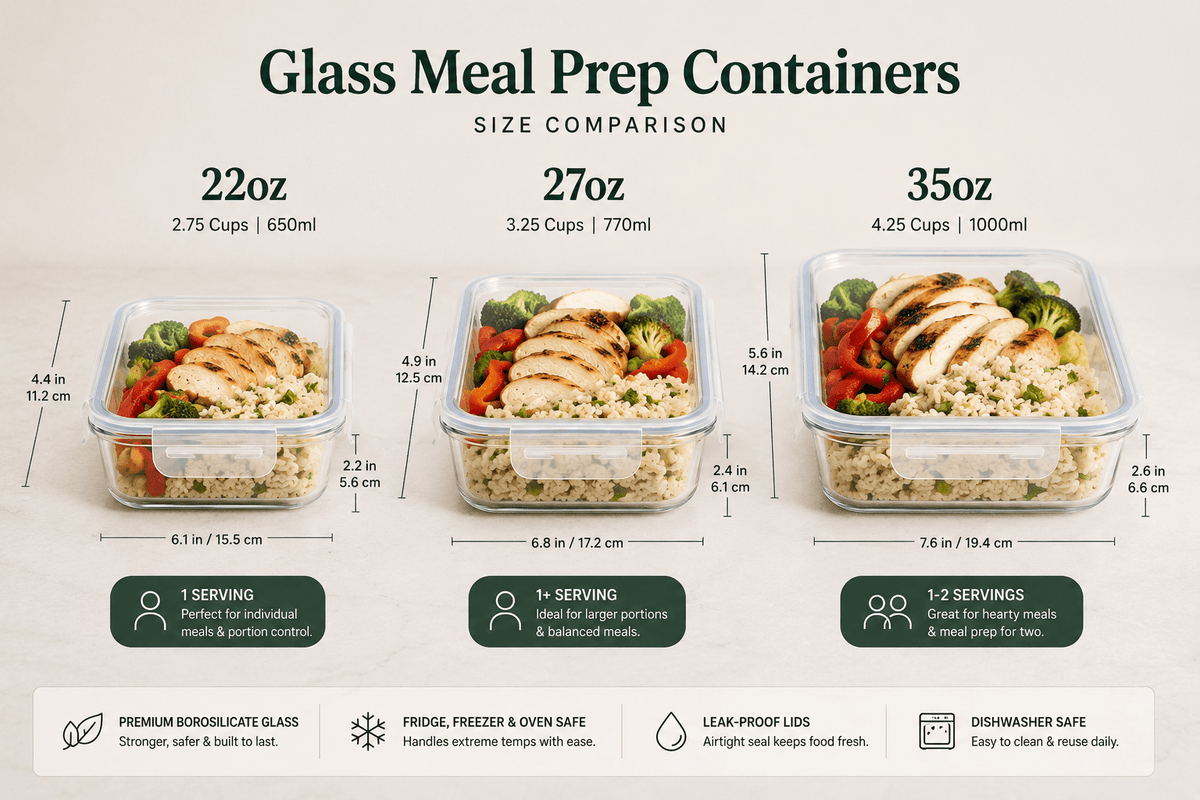
For anyone who specifically needs a larger single-serving container, the 27oz (800ml) glass container is the next size up. For a full soup serving that trends larger, the 35oz (1040ml) covers a generous portion with room for a bread piece on the side. How many glass containers you actually need covers the size selection across every meal prep category the 22oz and 27oz sizes cover the majority of single-serving needs.

How to Make the Switch: From Hot Cups to Glass
|
Switching from 24oz hot cups to glass containers for meal prep requires one purchase and zero habit change. The portion sizes are the same. The recipes are the same. The only change is the container and the result is food that stays fresh longer, costs less over time, and goes directly from fridge to microwave without transferring to a second container. |
For overnight oats
Prepare your oats in the glass container directly — layer oats, liquid, toppings. Seal the lid. Refrigerate. In the morning, remove the lid and microwave directly in the glass for 60 to 90 seconds if you prefer warm oats, or grab and eat cold. No paper cup, no spoon transfer, no second bowl. The container is the bowl.
For soup meal prep
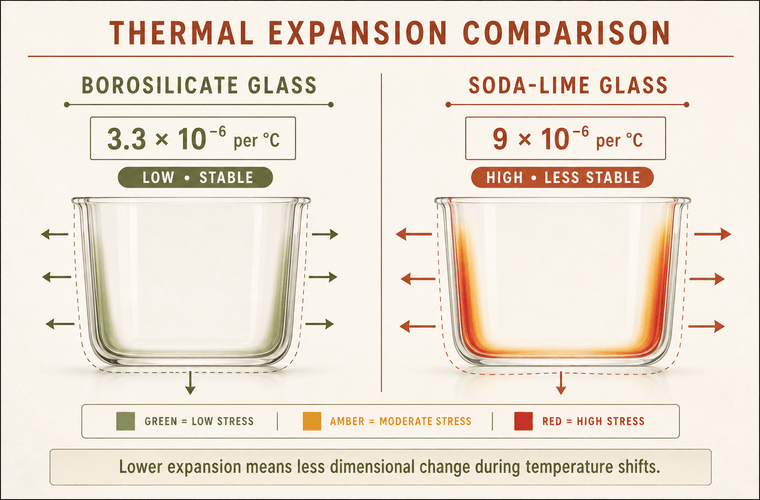
Cool soup to room temperature before sealing this prevents condensation inside the container. Seal the snap-lock lid. Refrigerate for up to 4 days or freeze for up to 3 months. At work, remove the lid, microwave directly in the glass, eat from the container. Glass containers are microwave safe the borosilicate construction handles the heat transition from cold fridge to microwave without any risk of cracking, which is the most common concern people have about switching to glass.
For smoothie prep
Blend the smoothie as normal. Pour into the sealed glass container. Refrigerate overnight. The airtight seal prevents the smoothie from oxidizing overnight — the color stays vibrant and the flavor stays fresh. Shake gently before drinking. Never freeze a smoothie in a full glass container — liquid expands when frozen and can crack the glass. Leave an inch of headspace if freezing, or freeze in a separate format and transfer.
|
The One Container Rule The most effective meal prep system is one where every meal goes into one container and stays there until it is eaten. No transfer from prep container to storage container to serving bowl. Glass enables this because it is safe at every temperature from freezer to microwave. Paper cups require at least one transfer at reheating — which is when most meal prep spills happen. |
What to Look for in a Glass Meal Prep Container for This Use Case
|
Not all glass containers work equally well as hot cup replacements. The lid matters as much as the glass. A press-fit lid on a glass container is not leakproof — it will fail in a bag. Only snap-lock lids with silicone gaskets create the seal that makes glass practical for commuting with food. |
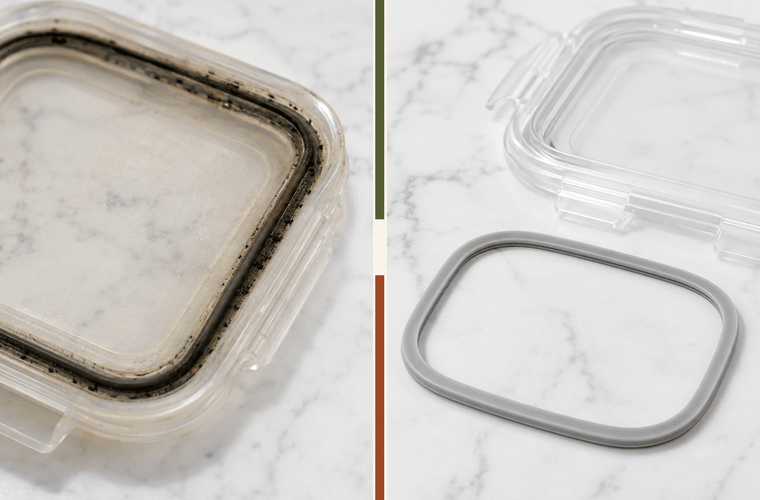
Four features matter for this specific use case: snap-lock lid with four-point locking (not a single-tab snap), silicone gasket seal that creates an airtight close rather than a friction fit, borosilicate glass that handles microwave heating without crazing or cracking, and straight walls that make the container easy to fill, eat from, and clean without food trapping in corners.
Razab's glass meal prep containers are borosilicate with four-point snap-lock lids and removable silicone gaskets for cleaning. The 22oz size is part of multi-piece sets that include companion sizes so the overnight oats container and the lunch container can come from the same matched set with interchangeable lids. Glass vs plastic food storage containers covers the material comparison in full — the meal prep performance difference between glass and plastic is the same difference as between glass and paper cups, for the same chemical inertness reason.

Frequently Asked Questions
Can I use a 24oz glass container instead of a hot cup for meal prep?
Yes. A 22oz glass container is the closest glass equivalent and handles every meal prep use case better microwave safe, freezer safe, leakproof, and reusable. The only use case where a hot cup outperforms glass is transporting hot drinks on the go.
What size glass container equals 24oz?
A 22oz (640ml) glass container is the closest equivalent. For larger portions, 27oz (800ml) is the next size up. Both handle single-serving overnight oats, soup, and smoothie prep at the volumes most people use.
Are 24oz hot cups safe for meal prep?
Disposable 24oz hot cups are not designed for meal prep storage. Paper absorbs food odors and flavors, the lid does not create an airtight seal, and cups are not microwave safe. They work for single-use hot drinks, not multi-day food storage.
How long does food last in a 22oz glass container vs a 24oz cup?
Food in a sealed glass container lasts 4 to 5 days refrigerated for most meal prep items. Food in a paper hot cup lasts 1 day reliably because the paper absorbs moisture and odors and the lid does not seal airtightly. Glass extends meal prep freshness by 3 to 4 days.
What is the best container for overnight oats?
A glass container with an airtight lid in the 22oz to 27oz range is the best container for overnight oats. Glass does not absorb smells or flavors, the seal keeps oats from drying out, and the container goes from fridge to microwave directly. Healthy meal prep ideas covers the full overnight oats setup alongside other high-protein glass container meal prep options.
The 24oz hot cup works for one thing: a single hot drink, once. For every meal prep use case overnight oats, soup, smoothie storage, protein shakes, a 22oz glass container does the same job and keeps food fresh for 4 days longer. Browse Razab glass meal prep containers — the 22oz size is available in multi-piece sets with matched companion sizes for the full meal prep week.
|
About the Author This post was produced by the Razab Meal Prep Research Team. We test container formats, storage methods, and food prep systems across real household conditions. Razab is a woman-owned brand, designed in New York and trusted by over 1 million US families since 2017. |
Conversation
Join the discussion