
For years, my fridge looked like a plastic graveyard.
Lids that no longer matched any container. Containers stained orange from last month's pasta sauce. A lingering smell I could not scrub out no matter what I tried. I kept buying new sets, swapping lids, and wondering if this was just how food storage worked.
Then I threw it all out and switched to glass. That was six months ago.
This is my actual experience, not a polished testimonial, not a brand pitch. Just what switching from plastic to glass food containers really felt like, week by week.
What Made Me Finally Make the Switch

Honestly? It was not a dramatic health awakening. It was a container I had used to reheat leftover soup.
I noticed it had warped around the edges. The lid barely sealed anymore. I had owned it for eight months. And when I looked it up, I found it was not microwave-safe. I had just been doing it anyway, like most people do.
I started reading more about BPA and BPS, the chemicals found in many plastics. Research published in journals like Environmental Health Perspectives has flagged these compounds as endocrine disruptors, meaning they can interfere with hormones. The risk is higher when plastic is exposed to heat.
That was enough for me. I did not need a health crisis to decide I would rather not heat my food in containers leaching chemicals into it.
|
Quick fact: Studies have found that heating food in plastic containers can increase chemical migration into food by up to 55 times compared to cold storage. Glass does not leach anything. |
The First Two Weeks: What Surprised Me

I expected to notice the difference in taste. I did not expect to notice it in the smell.
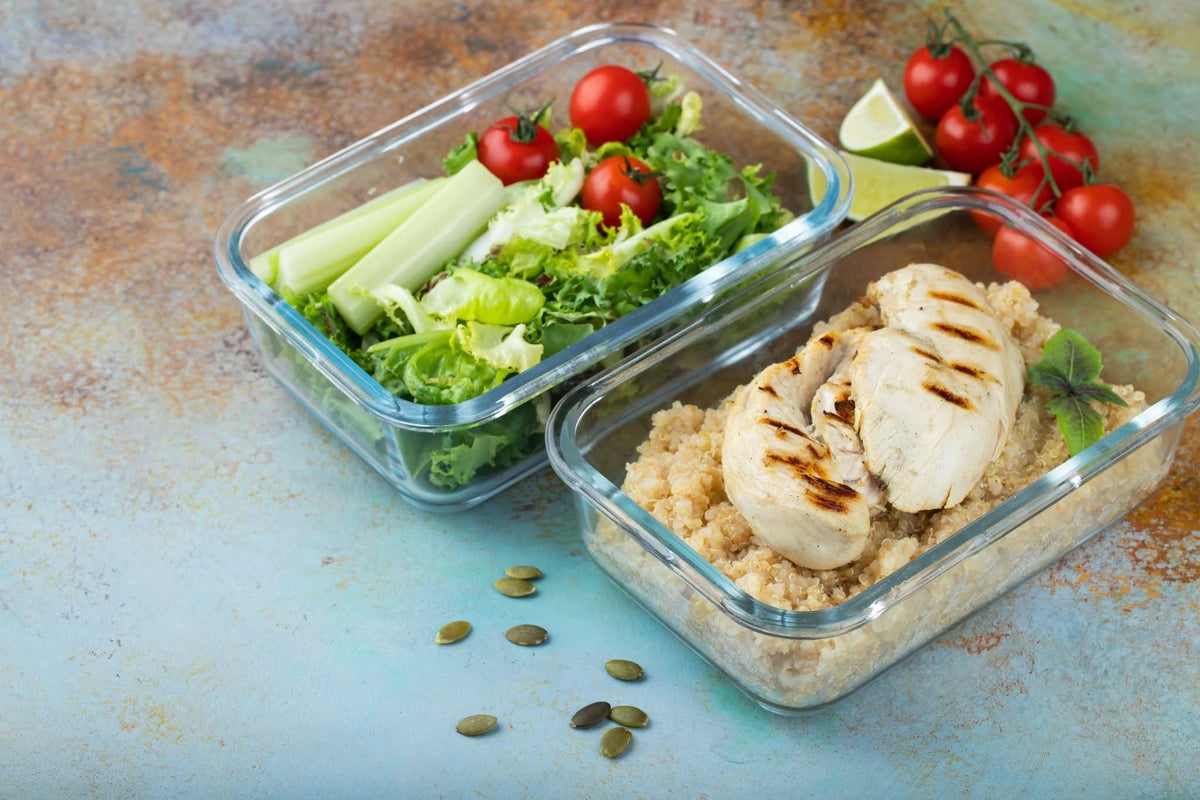
My first meal prep in glass containers, roasted vegetables and brown rice, came out of the fridge three days later smelling exactly like roasted vegetables and brown rice. No undertones. No plastic smell underneath. Just the food.
The second thing I noticed was how much easier it was to see what I had. Glass is fully transparent even after months of use. Plastic clouds over time. With glass, I stopped forgetting what was in the back of the fridge because I could actually see it.
The third thing? The weight. Glass is heavier. I knew this going in, but carrying a full container from the fridge to the microwave takes a bit more effort. I adjusted quickly. It is not a dealbreaker, more of a first-week adjustment.
Months Three and Four: The Real Test

By month three, I had used the same set of containers for meal prep every single weekend. No warping. No staining. The tomato-based dishes I was most worried about came out of the containers clean.
I ran them through the dishwasher every week, sometimes twice. The lids held. The glass stayed clear. A plastic container I had used the same way would have been replaced by now.
This is also when I noticed something I had not expected: I was wasting less food. Because I could see exactly what was in each container without opening it, I actually used what I prepped. My meal prep stopped feeling like a guessing game.
Glass vs Plastic: What Six Months Actually Taught Me

Here is the honest side-by-side after living with both:
|
Glass Containers |
Plastic Containers |
|
|
Odor absorption |
None |
Absorbs over time |
|
Staining |
Does not stain |
Stains from tomato, curry |
|
Heat safety |
Oven, microwave, dishwasher safe |
Degrades with heat; hand-wash recommended for many |
|
Chemical leaching |
None |
BPA and BPS risk, especially when heated |
|
Visibility |
See-through at all times |
Cloudiness develops after months of use |
|
Weight |
Heavier |
Lighter |
|
Long-term cost |
Higher upfront, lasts years |
Cheaper upfront, replaces more often |
The only real downsides to glass are weight and upfront cost. If you pack lunch every day and carry a full container in a bag, you will feel the weight difference. And the initial investment is higher than grabbing a cheap plastic set.
But I have not replaced a single container in six months. With plastic, I was replacing lids or full sets every few months.
Razab's glass food storage containers with lids are the ones I use every week — the lids still seal tight after dozens of dishwasher cycles, and the glass has not clouded once.
The Part Nobody Talks About: Fridge Organization

Switching to glass changed how I organize my fridge without me planning for it.
When everything is visible, you naturally start stacking things more thoughtfully. You stop sliding containers behind others because you can see through them anyway. My fridge went from chaotic to orderly without any dedicated organization effort.
I also started using larger containers where before I had been using multiple small plastic ones. Glass containers tend to come in more generous sizes, and storing a full batch of food in one container rather than splitting it across three is a real time-saver on meal prep day.
This is something most reviews skip. The impact on your kitchen routine goes beyond just the containers themselves.

What I Wish I Had Known Before Switching
A few things I would tell myself six months ago:
-
Start with a set, not individual containers. Mixing sizes from a full set makes meal prep much more efficient than buying pieces one at a time.
-
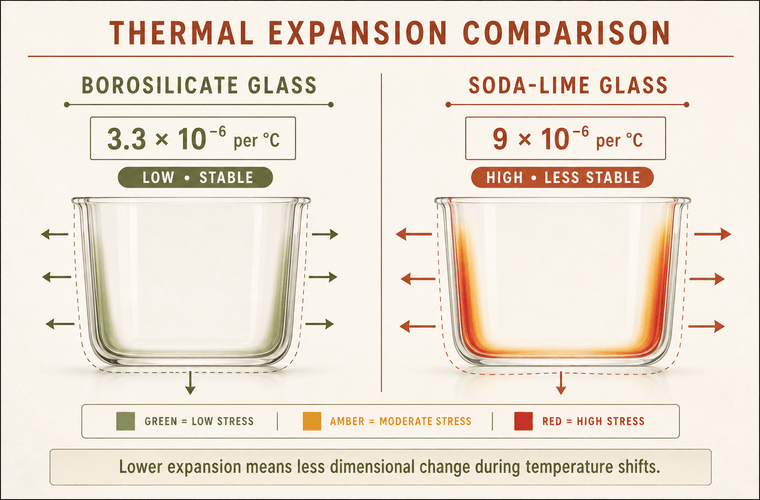
Check oven-safe ratings before you buy. Not all glass containers are oven-safe. Borosilicate glass handles temperature changes better than standard soda-lime glass.
-
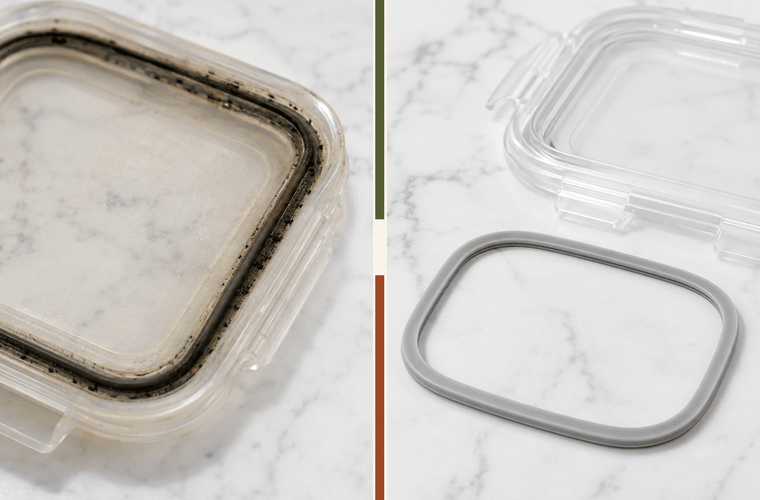
The lids matter as much as the containers. A great glass container with a flimsy lid is a frustrating experience. Look for lids that lock and seal properly.
-
Glass can break. I have not broken any, but it is worth handling them with a little more care than plastic, especially when stacking.

Is Switching from Plastic to Glass Worth It?
Yes. And I say that as someone who resisted the switch for years.
The difference is not dramatic in the first week. It builds over time. After six months, I cannot imagine going back to plastic containers that stain, warp, smell, and need replacing every season.
The cost is higher upfront. The weight is real. But the food tastes better, the containers last longer, and I have one less thing to worry about when I heat food for my family.
Razab, trusted by over 10 million families, builds containers specifically for the way home cooks actually use them — daily meal prep, weekly dishwasher cycles, and the occasional oven trip. After six months, I can say the design holds up exactly the way it should.
If you are ready to make the switch, the glass meal prep containers are a good starting point. The sizing works well for standard meal prep batches, and the lids are tight enough to travel with.
FAQs
How long does it take to adjust to glass containers after using plastic?
Most people fully adjust within two to three weeks. The main adjustment is the weight difference and being more careful about not dropping them. After that, the benefits are obvious enough that going back feels unappealing.
Do glass containers really keep food fresher than plastic?
Yes. Glass is non-porous, so it does not absorb odors or residues the way plastic does. Food stored in glass stays cleaner-tasting longer, especially strong-smelling foods like fish, curry, or garlic-heavy dishes.
Are glass food containers safe to microwave?
Most glass food containers are microwave-safe, but always check the manufacturer's guidelines. Borosilicate glass is the most heat-resistant option. Remove the lid or vent it before microwaving, and avoid sudden extreme temperature changes like going straight from freezer to microwave.
Will glass containers break in the freezer?
Glass can crack if it expands too rapidly. Leave a small gap at the top of the container when freezing liquids to allow for expansion, and let the container come to room temperature before microwaving frozen food. Most quality glass containers handle freezing well when used correctly.
Is switching from plastic to glass worth the cost?
For most people, yes. Glass containers last significantly longer than plastic ones. A quality glass set that lasts three to five years is more cost-effective than replacing cheaper plastic sets every few months. The health and practical benefits add further value beyond the cost comparison.
What size glass containers work best for weekly meal prep?
For meal prep, mid-size containers in the 1,000 to 2,000 ml range cover most single-serving portions. Larger containers around 3,000 ml work well for full batch storage. A mixed set with two or three sizes gives the most flexibility for different recipes.
Ready to Make the Switch?
Six months in, I have no regrets. The food is fresher, the fridge is more organized, and I am not replacing containers every season.
If you have been on the fence about switching from plastic, this is the nudge. Start with a set that covers your meal prep needs and go from there.
Browse the full Razab glass container collection and find the right size for your kitchen. Featured in Better Homes & Gardens and Food Network, Razab has helped over 10 million families make the switch.
Conversation
Join the discussion