
How to Prep, Portion, and Store Protein-Rich Meals That Support Your GLP-1 Journey Without the Guesswork
|
⚠️ Medical Disclaimer This article is for informational purposes only and does not constitute medical advice. GLP-1 medications (including Ozempic, Wegovy, Mounjaro, and Zepbound) should be taken under the guidance of a healthcare provider. Individual nutritional needs vary. Always consult your doctor or a registered dietitian before making significant changes to your diet while on GLP-1 medications. |
You started a GLP-1 medication expecting appetite suppression. What you didn’t expect was how confusing it would be to figure out what to actually eat. Your appetite has shrunk dramatically. Meals that used to feel normal now leave you uncomfortably full. Some days you feel nauseous at the sight of food, and on others you forget to eat entirely. Meanwhile, you know you need to hit your protein targets, get enough fiber, and avoid losing muscle mass along with fat.
This is the gap that most GLP-1 nutrition advice misses. Plenty of articles will tell you to “eat smaller, more frequent meals” and “prioritize protein.” But very few show you how to actually do that in a practical, sustainable way. How do you portion meals when your appetite changes from day to day? How do you prep food that stays fresh all week? What size containers do you need when your meals are now half the size they used to be?
This guide answers all of it. We’ll cover the specific nutritional framework for GLP-1 users, give you 10 prep-friendly recipes with exact protein counts, walk you through a practical weekly prep schedule, and show you how the right storage system prevents waste and keeps you on track when your appetite is unpredictable.
Why Meal Prep Is Non-Negotiable on GLP-1 Medications
GLP-1 receptor agonists like semaglutide and tirzepatide work by slowing gastric emptying and signaling your brain that you’re full. This is incredibly effective for weight loss, but it creates a nutritional challenge that most people don’t anticipate: you feel less hungry, so you eat less, but your body’s need for nutrients hasn’t decreased. In fact, some needs have increased.
The Protein-Muscle Problem
Research shows that up to 20 to 25 percent of weight lost on GLP-1 medications can come from muscle rather than fat. This isn’t just a cosmetic concern. Muscle loss slows your metabolism, weakens your bones, and can make weight regain more likely if you ever discontinue the medication. The primary defense against this is consistent, adequate protein intake, typically 1.2 to 1.6 grams of protein per kilogram of body weight daily, distributed across multiple small meals.
The problem? When your appetite is suppressed, the last thing you want to do is stand in the kitchen trying to calculate whether your meal has enough protein. And when you skip meals because nothing sounds appealing, you fall further behind on your daily targets.
Why “Just Eat Smaller Meals” Isn’t Enough Advice
The standard guidance to eat smaller, more frequent meals is correct but incomplete. Without preparation, most people default to convenience foods that are low in protein and high in refined carbohydrates, exactly the opposite of what a GLP-1 diet should look like. Meal prep solves this by removing daily decisions from the equation. When you open the fridge and see individually portioned, protein-forward meals ready to eat, you eat them. When you don’t, you skip meals or reach for whatever is fastest.
-
Pre-portioned meals prevent overeating on days when appetite is unpredictable. Smaller containers naturally enforce appropriate serving sizes.
-
Protein targets become achievable when meals are designed around protein first, with each container delivering 25 to 35 grams.
-
Nausea management improves because prepared meals are lower in fat, lighter in volume, and don’t require cooking (which can trigger nausea through smell).
-
Food waste drops dramatically because you’re prepping exact portions rather than cooking a full recipe and watching half of it go bad.
-
Consistency replaces willpower. You don’t need motivation to eat well when the meal is already made.
The GLP-1 Meal Prep Framework: What Every Meal Should Look Like
Before we get to recipes, you need to understand the structure that makes a GLP-1 meal effective. Think of every prepped meal as a three-part plate designed around a simple priority order: protein first, fiber second, complex carbohydrates third.
|
Component |
Target Per Meal |
Best Sources |
Why It Matters |
|
Lean Protein |
25–35g |
Chicken, fish, eggs, Greek yogurt, cottage cheese, tofu |
Preserves muscle mass, promotes satiety |
|
Fiber |
5–10g |
Cooked vegetables, oats, lentils, berries, sweet potato |
Supports digestion, prevents constipation |
|
Complex Carbs |
½ cup portion |
Quinoa, brown rice, whole grain bread, sweet potato |
Sustains energy, stabilizes blood sugar |
|
Healthy Fats |
Small amount |
Olive oil, avocado (sparingly), nuts, seeds |
Nutrient absorption; keep low to reduce nausea |
|
Hydration |
8–12 oz with meal |
Water, herbal tea, broth |
Critical for GI comfort and medication efficacy |
|
💡 The Protein-First Rule When you sit down to eat, always consume your protein first. On GLP-1 medications, you may feel full before finishing your meal. If you eat vegetables or carbs first, you risk filling up before getting enough protein. By eating protein first, you guarantee you’re hitting the nutrient that matters most for muscle preservation, even on low-appetite days. |
The Right Container Size Changes Everything
Here’s something that almost no GLP-1 article talks about, and it’s one of the biggest practical challenges people face: standard meal prep containers are too large. Most meal prep sets are designed around 30 to 40 ounce portions, which is two to three times the volume a GLP-1 user typically eats per sitting. When you open a large container that’s only one-third full, it looks sad, wasteful, and psychologically demotivating. Worse, half-empty containers mean extra air exposure, which causes food to dry out and spoil faster.
Why You Need a Multi-Size Container System
GLP-1 users need containers in sizes that standard meal prep culture ignores. You need small containers in the 6 to 13 ounce range for individual protein portions, snacks, and side dishes. You need medium containers in the 17 to 22 ounce range for complete small meals. And you need a few large containers for batch cooking proteins and grains that you’ll portion out later in the week.

|
🌿 Why Razab’s Glass Container Sets Are Ideal for GLP-1 Meal Prep Most container sets offer one or two sizes. Razab’s 30-piece glass container set includes 12 different sizes across rectangular, square, and round shapes, from 6 oz snack containers to 35 oz batch containers. This range is precisely what GLP-1 users need: small containers for individual portions of cottage cheese, egg bites, or diced protein; medium containers for full mini-meals; and larger containers for batch-cooking components. Because they’re borosilicate glass, they’re safe for the freezer, microwave, oven, and dishwasher. The airtight snap-locking lids keep food fresh without absorbing odors, and the clear glass lets you see exactly what’s inside without opening every container. |
GLP-1 Container Size Guide
|
Container Size |
Capacity |
Best For |
Example Meals |
|
Small |
6–13 oz |
Snacks, protein portions, chia pudding, egg bites |
2 egg muffins + fruit, cottage cheese + berries |
|
Medium |
17–22 oz |
Complete mini-meals, soups, grain bowls |
Chicken + quinoa + veggies, lentil soup portion |
|
Large |
27–35 oz |
Batch proteins, grain prep, multiple portions |
Shredded chicken for the week, cooked quinoa batch |
|
Extra Large |
52+ oz |
Family batch cooking, casseroles, soups |
Turkey meatball batch, large soup pot storage |
10 GLP-1 Friendly Recipes Designed for Meal Prep
Every recipe below follows the protein-first framework, portions to GLP-1 appropriate sizes, and stores well for three to five days. We’ve organized them by temperature preference because many GLP-1 users find that cold or room-temperature foods are easier to tolerate, especially during the first weeks of treatment or after dose increases.
Cold and No-Cook Meals (Best for Nausea Days)
Cold meals are a lifeline for GLP-1 users. They produce no cooking smells, which can trigger nausea. They’re light and refreshing. And they can be assembled in bulk and stored in individual containers, ready to grab any time appetite shows up.
High-Protein Greek Yogurt Parfait Cups
Layer plain Greek yogurt with a drizzle of honey, fresh berries, a tablespoon of chia seeds, and a sprinkle of low-sugar granola in a small glass container. The yogurt delivers 15 to 18 grams of protein per serving on its own, and the chia seeds add fiber and omega-3s. Prep five to seven cups at once and grab one whenever your appetite window opens.
Per serving: ~240 cal | 22g protein | 6g fiber. Container: Small (8–13 oz). Keeps: 4 days in fridge.

Turkey and Hummus Roll-Up Boxes
Lay out slices of deli turkey, spread a thin layer of hummus on each slice, add a strip of cucumber or bell pepper, and roll tightly. Pack three to four rolls in a small container with a handful of cherry tomatoes and a few olives on the side. This is the GLP-1 version of an adult lunchable: high protein, no cooking required, and perfectly portioned for a reduced appetite.
Per serving: ~220 cal | 26g protein | 4g fiber. Container: Small to medium (11–17 oz). Keeps: 3 days in fridge.

Cottage Cheese Power Bowls
Cottage cheese is one of the most protein-dense foods available and it requires absolutely no preparation. Scoop a cup of low-fat cottage cheese into a small glass container and top with sliced peaches, a drizzle of honey, and a sprinkle of ground flaxseed. Alternatively, go savory with diced cucumber, cherry tomatoes, everything bagel seasoning, and a crack of black pepper. Prep both versions to give yourself options throughout the week.
Per serving (sweet): ~230 cal | 28g protein | 2g fiber. Container: Small (8–13 oz). Keeps: 4 days in fridge.

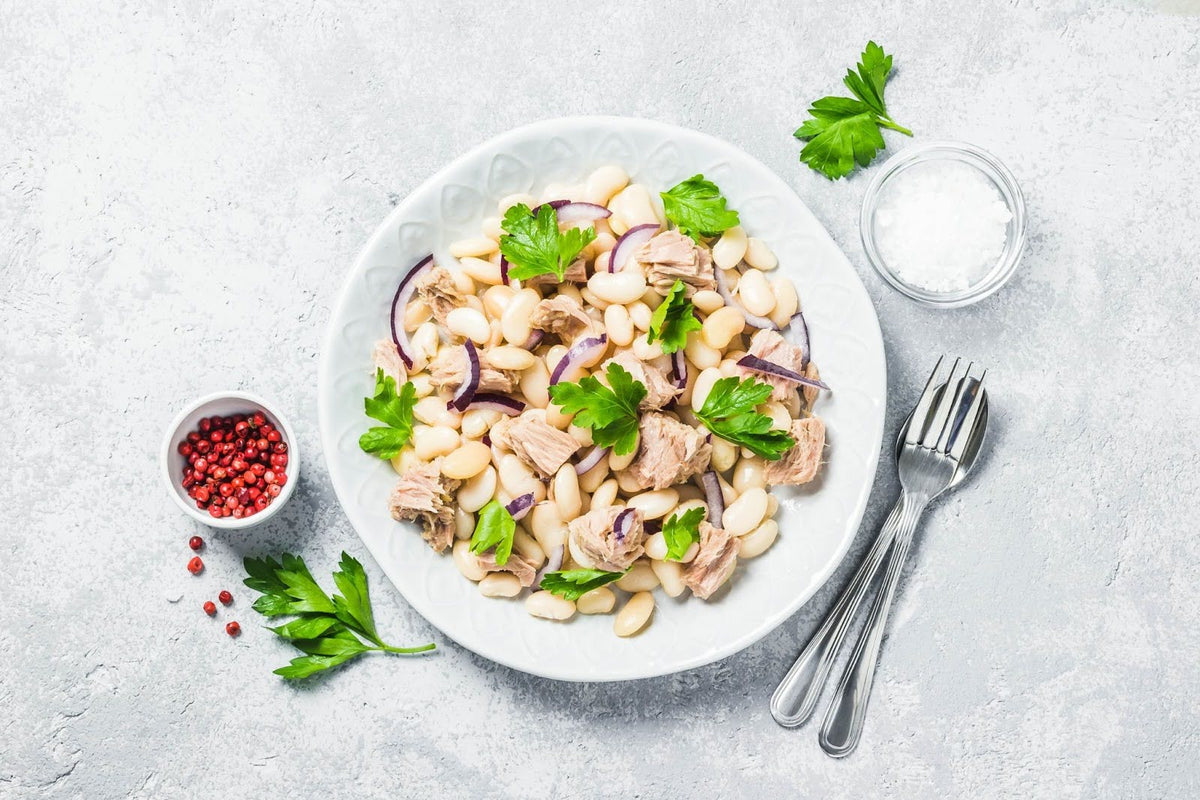
Tuna and White Bean Salad
Combine canned tuna (packed in water), rinsed white beans, diced celery, a squeeze of lemon, a drizzle of olive oil, and fresh parsley. This high-protein, high-fiber salad assembles in minutes, delivers over 30 grams of protein, and tastes excellent cold. Portion into small containers and eat with whole grain crackers or on its own.
Per serving: ~280 cal | 32g protein | 7g fiber. Container: Small to medium (11–17 oz). Keeps: 3 days in fridge.

Warm Reheatable Meals (Best for Good-Appetite Days)
On days when your appetite cooperates, warm meals feel nourishing and satisfying. These recipes are designed to be batch-cooked on your prep day, portioned into individual containers, and reheated in the microwave in 60 to 90 seconds.
Lemon Herb Chicken with Roasted Vegetables
Season chicken breasts with lemon juice, garlic, oregano, salt, and pepper. Bake at 400°F for 22 to 25 minutes. On the same sheet pan, roast zucchini, bell peppers, and asparagus with a light mist of olive oil. Slice the chicken, divide across containers, and add a small scoop of quinoa or brown rice on the side. This is the foundational GLP-1 meal: lean protein, gentle cooked vegetables, and a controlled portion of complex carbs.
Per serving: ~340 cal | 35g protein | 5g fiber. Container: Medium (17–22 oz). Keeps: 4 days in fridge, 3 months in freezer.

Turkey Meatballs with Marinara and Zoodles
Combine ground turkey with an egg, breadcrumbs, Italian seasoning, and minced garlic. Roll into small meatballs (golf-ball sized for easier eating) and bake at 375°F for 18 to 20 minutes. Pair five to six meatballs with a light marinara sauce and spiralized zucchini noodles. The smaller meatball size is intentional: GLP-1 users often find smaller bites easier to eat slowly and more comfortably.
Per serving: ~310 cal | 30g protein | 4g fiber. Container: Medium (17–22 oz). Keeps: 4 days in fridge, 3 months in freezer.

Lentil and Sweet Potato Soup
Sauté diced onion and garlic in a large pot with a teaspoon of olive oil. Add cubed sweet potato, rinsed red lentils, vegetable broth, cumin, and turmeric. Simmer for 20 to 25 minutes until lentils are soft. Blend partially for a creamy texture or leave chunky. Soups are excellent for GLP-1 users because they’re hydrating, easy to digest, and gentle on sensitive stomachs. This version packs in protein from lentils and fiber from sweet potato.
Per serving (1 cup): ~220 cal | 12g protein | 8g fiber. Container: Medium (17–22 oz). Keeps: 5 days in fridge, 3 months in freezer.

|
🌿 Razab Storage Tip for Soups Store individual soup portions in Razab’s medium square glass containers (17 oz). The airtight locking lids prevent leaks, and the square shape stacks efficiently in your fridge or freezer. When you’re ready to eat, just remove the lid, microwave for 90 seconds, and eat directly from the same container. One dish to wash, zero transfer required. |
Egg White and Veggie Frittata
Whisk together egg whites (or a mix of whole eggs and egg whites for a lower-fat option) with diced spinach, cherry tomatoes, feta cheese, and fresh basil. Pour into a glass baking container and bake at 375°F for 20 to 25 minutes. Cut into squares and store individually. Frittata is one of the most flexible GLP-1 foods: it’s good warm or cold, it’s protein-dense, and it reheats without losing texture.
Per serving: ~180 cal | 22g protein | 2g fiber. Container: Small (8–13 oz). Keeps: 4 days in fridge.

Freezer-Friendly Options (Your Emergency Backup)
Having a freezer stash is essential on GLP-1 medications because your appetite and tolerance fluctuate from week to week, especially after dose increases. These recipes freeze perfectly and can be defrosted overnight or microwaved directly from frozen.
Chicken and Broccoli Grain Bowls
Grill or bake seasoned chicken thighs (slightly higher in fat but more flavorful and moist when reheated from frozen). Steam broccoli until just tender, about 3 to 4 minutes. Cook a batch of brown rice or quinoa. Assemble in medium containers: a palm-sized portion of chicken, a generous scoop of broccoli, and half a cup of grain. These freeze flat and stack well, and they reheat in about two and a half minutes from frozen.
Per serving: ~360 cal | 32g protein | 5g fiber. Container: Medium (17–22 oz). Keeps: 3 months in freezer.

Protein-Packed Smoothie Packs
Pre-portion smoothie ingredients into small containers or bags: a scoop of vanilla protein powder, a handful of frozen berries, half a banana, a tablespoon of flax seeds, and a handful of baby spinach. When appetite is low but you know you need nutrition, dump a pack into a blender with 6 to 8 ounces of milk or water and blend for 30 seconds. Smoothies are one of the most recommended GLP-1 meal options for nausea-heavy days because they’re cold, require minimal chewing, and deliver nutrients without the feeling of a heavy meal.
Per serving: ~260 cal | 25g protein | 6g fiber. Container: Small (6–11 oz for dry ingredients). Keeps: 3 months in freezer.
The 60-Minute GLP-1 Weekly Prep Schedule
GLP-1 users often have lower energy levels, especially during the first months or after dose adjustments. That’s why this prep schedule is designed to be shorter and less physically demanding than a standard meal prep session. You’re prepping smaller quantities, and the recipes above are deliberately simple.
|
Time |
Task |
Details |
|
0:00–0:10 |
Start Oven + Prep |
Preheat oven to 400°F. Dice vegetables for frittata and sheet pan. Season chicken. Start rice or quinoa on stovetop. |
|
0:10–0:25 |
Bake Round 1 |
Chicken and vegetables go in the oven. While they cook, assemble overnight protein parfaits, cottage cheese bowls, and turkey roll-up boxes (cold meals). |
|
0:25–0:40 |
Bake Round 2 |
Remove chicken, put frittata in oven. Mix and shape turkey meatballs. Start soup on stovetop if making. Portion cold meals into small glass containers. |
|
0:40–0:50 |
Cook + Assemble |
Bake meatballs (swap with frittata). Slice chicken. Assemble grain bowls. Blend and portion soup if applicable. |
|
0:50–1:00 |
Portion + Store |
Let warm items cool 10 minutes. Portion into appropriately sized glass containers. Label with date and protein count. Store fridge items (3–5 day shelf life) and freezer items separately. |
|
💡 GLP-1 Prep Hack: Label with Protein Write the protein grams on each container lid with a dry-erase marker (it wipes off glass easily). When you’re tracking your daily protein intake, you can glance at your fridge and instantly calculate how much you’ve eaten and what you still need. This small habit makes a surprisingly big difference in hitting your daily target of 80 to 120 grams. |
Managing GLP-1 Side Effects Through Smart Meal Prep
The most common side effects of GLP-1 medications are nausea, constipation, bloating, and early satiety. Your meal prep strategy can directly address each of these.
For Nausea
Keep cold, bland options front and center in your fridge. The cottage cheese bowls, turkey roll-ups, and yogurt parfaits from our recipe list are excellent nausea-day foods. Avoid cooking when nauseous, as kitchen smells can make it worse. Having pre-made meals eliminates this trigger entirely. Ginger tea alongside your meal can also provide relief.
For Constipation
This is one of the most common GLP-1 side effects, and it’s often made worse by high-protein, low-fiber diets. Make sure every prepped meal includes a fiber source: berries in your parfait, lentils in your soup, vegetables in your grain bowl, flaxseed in your smoothie. Aim for 25 to 30 grams of fiber per day, and increase gradually to avoid gas and bloating.
For Low Appetite Days
On days when eating feels like a chore, prioritize calorie-dense, protein-rich foods in the smallest possible volume. The smoothie packs, cottage cheese bowls, and protein parfaits are your best options. They deliver significant nutrition in small portions that don’t require you to sit down to a full meal. Even on your lowest appetite day, aim for at least 60 grams of protein.
For Food Aversions
GLP-1 medications can change how certain foods taste or make previously enjoyed foods suddenly unappealing. This is why variety in your prep is so important. Preparing five to six different options each week gives you choices. If chicken suddenly sounds unappetizing on Thursday, you can reach for the tuna salad or the lentil soup instead.
Safe Storage Guidelines for GLP-1 Meal Prep

When you’re eating smaller quantities, food stays in the fridge longer before it’s consumed. Proper storage isn’t just about freshness, it’s about safety.
Why Glass Outperforms Plastic for GLP-1 Users
GLP-1 users microwave food frequently, often multiple times per day. Plastic containers degrade with repeated heating, releasing compounds that can contribute to digestive discomfort, which is the last thing you need when your GI system is already sensitive from medication. Glass containers don’t leach chemicals at any temperature. They don’t absorb the odors of garlic or fish from last Tuesday’s meal. And they seal airtight, which is critical when your small portions need to stay fresh for four to five days.
|
🌿 Built for the GLP-1 Lifestyle Razab’s borosilicate glass containers handle the daily demands of GLP-1 meal prep without missing a beat. Freeze your smoothie packs and grain bowls. Microwave your meatballs and soup. Run everything through the dishwasher. The containers are oven-safe to 450°F, so you can even bake your frittata directly in the container it’ll be stored in. Over 2 million customers trust Razab for their kitchen storage, and the range of sizes, from 6 oz to 220 oz, means you have the right container for every GLP-1 portion. |
GLP-1 Meal Prep Storage Quick Reference
|
Meal |
Fridge |
Freezer |
Reheat |
Container |
|
Yogurt Parfait Cups |
4 days |
— |
No |
Small |
|
Turkey Roll-Up Boxes |
3 days |
— |
No |
Small |
|
Cottage Cheese Bowls |
4 days |
— |
No |
Small |
|
Tuna White Bean Salad |
3 days |
— |
No |
Small |
|
Lemon Herb Chicken |
4 days |
3 mo |
90 sec |
Medium |
|
Turkey Meatballs |
4 days |
3 mo |
90 sec |
Medium |
|
Lentil Sweet Potato Soup |
5 days |
3 mo |
90 sec |
Medium |
|
Egg White Frittata |
4 days |
2 mo |
60 sec |
Small |
|
Chicken Grain Bowls |
4 days |
3 mo |
2.5 min |
Medium |
|
Smoothie Packs |
— |
3 mo |
Blend |
Small |
Frequently Asked Questions
These questions are pulled from what GLP-1 users most commonly search for. Each answer is designed to be concise and directly actionable.
Can you meal prep on GLP-1 medications?
Yes, and it’s strongly recommended. GLP-1 medications suppress appetite, which often leads to skipped meals and inadequate protein intake. Having pre-portioned, protein-forward meals ready in the fridge eliminates the need to rely on appetite or motivation to eat well. Focus on smaller portions (6 to 22 ounce containers), prioritize protein at 25 to 35 grams per meal, and include a mix of cold and warm options since food preferences and tolerance can change day to day.
What size portions should I eat on Ozempic or Wegovy?
Most GLP-1 users find that meals in the 200 to 400 calorie range, served in portions that fit a small to medium container (roughly 8 to 22 ounces of food volume), are most comfortable. The key is to eat slowly, stop when you feel the first signal of fullness, and save the rest for later. Smaller, more frequent meals eaten every three to four hours are generally better tolerated than two or three larger meals.
What foods should I avoid on GLP-1 medications?
High-fat foods, fried foods, heavy creams, and large volumes of raw fiber can worsen nausea, bloating, and constipation. Sugary drinks and refined carbohydrates cause blood sugar spikes that counteract the medication’s purpose. Alcohol should be limited, as it’s high in empty calories and can intensify GI side effects. Focus on lean proteins, cooked vegetables, gentle fiber sources, and complex carbohydrates in controlled portions.
How do I get enough protein on GLP-1 when I’m not hungry?
This is the most common nutritional challenge for GLP-1 users. Three strategies help: First, eat protein first at every meal before vegetables or carbs. Second, choose calorie-dense protein sources like Greek yogurt, cottage cheese, eggs, and protein smoothies that deliver high protein in small volumes. Third, prep your meals so they’re ready when brief appetite windows appear. Aim for at least 80 grams of protein daily, ideally 100 to 120 grams, distributed across four to five small meals.
Are glass containers better than plastic for meal prep?
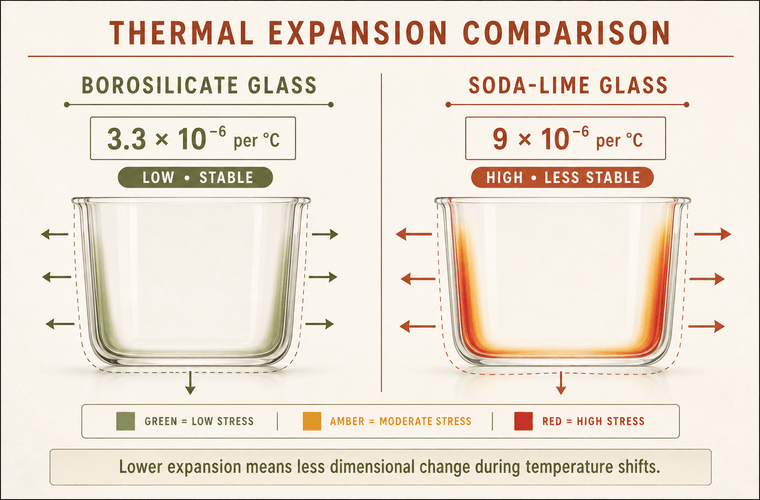
For GLP-1 users who microwave food multiple times daily, glass is significantly better. Plastic containers can release chemicals when heated repeatedly, potentially contributing to digestive discomfort. Glass doesn’t leach chemicals, doesn’t absorb food odors, and maintains a clear, clean appearance for years. Borosilicate glass containers, like those made by Razab, are specifically designed to handle temperature extremes from freezer to oven without cracking.
How many containers do I need for GLP-1 meal prep?
For a single person prepping five to six days of meals plus snacks, plan on 10 to 14 small containers and 6 to 8 medium containers. A 30-piece assorted set provides the range of sizes needed for everything from individual egg muffins and snack portions to full mini-meals and batch-cooked proteins. If you’re also prepping for a partner or family members who eat larger portions, add a few large containers for their servings.
What’s the best meal on a bad nausea day?
Cold foods that are low in fat and mild in flavor tend to be best tolerated. A cottage cheese bowl with sliced banana, a small yogurt parfait, or a protein smoothie are the safest options. Avoid hot, greasy, or strongly flavored foods on nausea days. Sipping ginger tea or cold water between small bites can also help. If nausea is severe enough to prevent eating for more than a day, contact your healthcare provider.
Sample GLP-1 Weekly Meal Prep Plan
This sample plan shows how the recipes above can be distributed across a typical week, providing four to five eating occasions daily at roughly 1,200 to 1,500 total calories with 100 or more grams of protein.
|
Day |
Morning |
Midday |
Afternoon |
Evening |
|
Mon |
Yogurt Parfait |
Lemon Chicken Bowl |
Cottage Cheese + fruit |
Lentil Soup |
|
Tue |
Smoothie Pack |
Turkey Roll-Ups |
Frittata square |
Meatballs + zoodles |
|
Wed |
Yogurt Parfait |
Tuna Bean Salad |
Cottage Cheese (savory) |
Chicken Grain Bowl |
|
Thu |
Smoothie Pack |
Lemon Chicken Bowl |
Turkey Roll-Ups |
Lentil Soup |
|
Fri |
Frittata + fruit |
Tuna Bean Salad |
Yogurt Parfait |
Meatballs + zoodles |
|
Sat |
Cottage Cheese Bowl |
Chicken Grain Bowl |
Smoothie Pack |
Light fresh meal |
Start Your GLP-1 Meal Prep This Weekend
Your GLP-1 medication is doing its part. Now it’s time to support it with the right nutrition system. Pick three to four recipes from this guide. Set aside 60 minutes this weekend. And make sure you have the right containers, because the difference between a successful prep week and a wasted one often comes down to whether your food stays fresh and properly portioned.
|
Portion Control Starts with the Right Containers Razab’s 30-piece glass container set includes 12 different sizes — from 6 oz snack containers to 35 oz batch storage. Perfectly sized for GLP-1 portions. Freezer-safe • Oven-safe to 450°F • Microwave-safe • Dishwasher-safe • 100% BPA-free Shop with Razab & 30% off meal prep containers. |
Conversation
Join the discussion