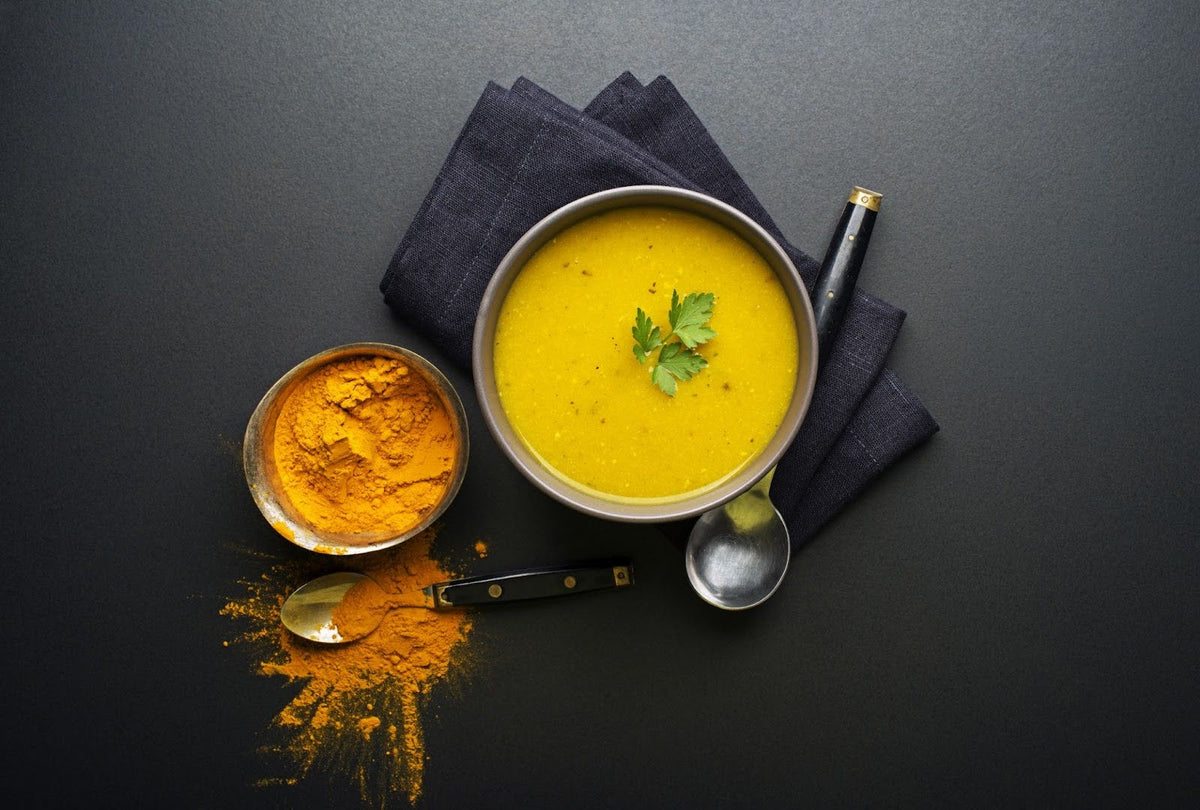

The Science-Backed, Beginner-Friendly Guide to Reducing Inflammation Through Food, Meal Prep, and Smarter Kitchen Habits
Maybe you’ve been waking up with stiff joints. Maybe your energy crashes by 2 PM no matter how much coffee you drink. Maybe your doctor mentioned inflammation at your last checkup, or you’ve noticed that bloating, brain fog, and skin flare-ups have become your new normal. Whatever brought you here, you’re asking the right question: can what I eat actually reduce inflammation?
The answer, backed by decades of nutrition research, is a definitive yes. Chronic low-grade inflammation is increasingly recognized as a root driver of conditions ranging from heart disease and type 2 diabetes to arthritis, autoimmune disorders, and even depression. And the foods you eat every day play a direct role in either fueling that inflammation or calming it.
But here’s the problem with most anti-inflammatory diet guides: they’re overwhelming. They hand you a list of 50 foods to eat and 50 to avoid, then leave you standing in the grocery store wondering where to actually start. This guide takes a different approach. We’ll give you the science in plain language, a clear food framework, 10 meal-prep-friendly recipes, a practical weekly plan, and the storage strategy that makes the whole system sustainable. No overwhelm. Just a clear path from “I should eat better” to “I actually do.”
What Is Inflammation and Why Does Your Diet Matter?
Inflammation is your immune system’s response to anything it perceives as a threat: an injury, an infection, or a toxin. In the short term, this response is essential and protective. A cut on your finger swells, reddens, and heals. That’s acute inflammation doing its job.
Chronic inflammation is different. It’s a slow, persistent immune response that can last for months or years, often without obvious symptoms. Instead of responding to a specific threat and resolving, your immune system stays on a low-level alert. Over time, this ongoing inflammation damages healthy cells and tissues, contributing to a long list of conditions: cardiovascular disease, metabolic syndrome, type 2 diabetes, rheumatoid arthritis, inflammatory bowel disease, Alzheimer’s disease, and certain cancers.
How Food Drives or Calms Inflammation
The connection between diet and inflammation is well established. Certain foods trigger the release of pro-inflammatory compounds called cytokines. Refined sugar, processed meats, trans fats, and excess omega-6 fatty acids from processed seed oils are among the most studied dietary inflammation triggers. Conversely, foods rich in antioxidants, polyphenols, omega-3 fatty acids, and fiber actively suppress inflammatory pathways.
The Mediterranean diet, which emphasizes vegetables, fruits, whole grains, fatty fish, olive oil, and herbs, has been studied more extensively than almost any other dietary pattern. Research consistently shows that people following this eating style have lower levels of C-reactive protein (CRP) and other inflammatory markers. The anti-inflammatory diet is essentially the Mediterranean diet with an even sharper focus on maximizing anti-inflammatory compounds and minimizing known triggers.
|
🧠 The Key Insight for Beginners An anti-inflammatory diet isn’t about restriction or deprivation. It’s about crowding out inflammatory foods with delicious, nutrient-dense alternatives. You’re not giving up flavor or satisfaction. You’re replacing foods that make you feel worse with foods that actively make you feel better. Most people report noticeable improvements in energy, joint comfort, digestion, and mental clarity within two to three weeks. |
The Anti-Inflammatory Foods Framework: What to Eat and What to Limit
Instead of memorizing a rigid list, think of anti-inflammatory eating as a spectrum. Some foods are powerfully anti-inflammatory. Some are neutral. Some actively promote inflammation. Your goal is to fill most of your plate with the first category, sprinkle in the second, and minimize the third.
Foods to Eat Generously (Anti-Inflammatory Powerhouses)
|
Category |
Best Choices |
Key Compounds |
|
Fatty Fish |
Salmon, mackerel, sardines, anchovies, trout |
Omega-3 fatty acids (EPA/DHA) |
|
Leafy Greens |
Spinach, kale, Swiss chard, arugula, collard greens |
Vitamins A, C, K; folate; polyphenols |
|
Berries |
Blueberries, strawberries, raspberries, blackberries, cherries |
Anthocyanins, quercetin, vitamin C |
|
Cruciferous Veggies |
Broccoli, cauliflower, Brussels sprouts, cabbage |
Sulforaphane, indole-3-carbinol |
|
Whole Grains |
Oats, quinoa, brown rice, farro, barley |
Beta-glucan fiber, B vitamins, magnesium |
|
Legumes |
Lentils, chickpeas, black beans, kidney beans |
Fiber, plant protein, polyphenols |
|
Nuts & Seeds |
Walnuts, almonds, flaxseed, chia seeds, hemp seeds |
Omega-3 ALA, vitamin E, magnesium |
|
Herbs & Spices |
Turmeric, ginger, cinnamon, garlic, rosemary |
Curcumin, gingerol, allicin |
|
Healthy Fats |
Extra virgin olive oil, avocado, avocado oil |
Oleocanthal, monounsaturated fats |
|
Fermented Foods |
Yogurt, kefir, kimchi, sauerkraut, miso |
Probiotics, short-chain fatty acids |
Foods to Limit or Avoid (Inflammation Triggers)
|
Category |
Examples |
Why They Promote Inflammation |
|
Refined Sugar |
Soda, candy, baked goods, flavored yogurts |
Spikes blood sugar, triggers cytokine release |
|
Processed Meats |
Hot dogs, bacon, deli meats, sausage |
Contain AGEs and nitrates that trigger immune response |
|
Refined Carbs |
White bread, white pasta, crackers, pastries |
Rapidly convert to sugar; stripped of fiber |
|
Fried Foods |
French fries, fried chicken, doughnuts |
High in trans fats and advanced glycation end products |
|
Excess Alcohol |
More than moderate consumption |
Disrupts gut barrier, increases endotoxin release |
|
Processed Seed Oils |
Soybean oil, corn oil, cottonseed oil |
High omega-6 to omega-3 ratio promotes inflammation |
|
💡 The 80/20 Rule for Beginners You don’t need to be perfect. Aim for 80% of your meals to come from the anti-inflammatory column. The remaining 20% gives you room for social meals, occasional treats, and the reality of life. Perfectionism is the enemy of consistency, and consistency is what actually reduces inflammation. |
10 Beginner-Friendly Anti-Inflammatory Recipes for Meal Prep
Every recipe below uses ingredients from the anti-inflammatory framework, requires minimal cooking skill, and stores well for four to five days in the fridge. They’re organized by meal type so you can mix and match throughout the week.
1. Golden Turmeric Overnight Oats
Combine rolled oats, almond milk, Greek yogurt, a teaspoon of ground turmeric, a pinch of black pepper (which increases curcumin absorption by up to 2000%), a drizzle of honey, and chia seeds in a glass jar. Refrigerate overnight. In the morning, top with fresh blueberries and a sprinkle of walnuts. Turmeric’s active compound curcumin is one of the most studied anti-inflammatory substances in nutrition science, and pairing it with the omega-3s in walnuts and the anthocyanins in blueberries makes this a triple-threat anti-inflammatory breakfast.
Per serving: ~340 cal | 15g protein | 9g fiber. Storage: 5 days in fridge. Container: Small glass jar or container (8–13 oz).

2. Spinach and Sweet Potato Egg Muffins
Whisk a dozen eggs with a generous handful of chopped spinach, diced roasted sweet potato, crumbled feta cheese, and a pinch of smoked paprika. Pour into a greased muffin tin and bake at 375°F for 20 minutes. Sweet potatoes are rich in beta-carotene, a potent antioxidant, while spinach delivers vitamins A, C, K and folate. These muffins are grab-and-go friendly and taste just as good cold as they do warm.
Per muffin: ~105 cal | 7g protein | 1g fiber. Storage: 4 days fridge, 3 months freezer. Container: Medium glass container.

3. Berry Chia Pudding with Hemp Seeds
Mix chia seeds with coconut milk, a splash of vanilla, and a tablespoon of honey. Refrigerate for at least four hours. Before serving, layer with mashed mixed berries and top with hemp seeds. Chia seeds deliver omega-3 ALA, soluble fiber, and plant protein, while hemp seeds add complete protein and gamma-linolenic acid, an omega-6 that actually has anti-inflammatory properties. The berries provide a concentrated dose of polyphenols.
Per serving: ~250 cal | 10g protein | 12g fiber. Storage: 5 days in fridge. Container: Small glass jar (8–13 oz).

4. Mediterranean Salmon and Quinoa Bowl
Bake salmon fillets seasoned with lemon, garlic, and dried oregano at 400°F for 15 minutes. Serve over cooked quinoa with a generous side of roasted red peppers, artichoke hearts, Kalamata olives, and a handful of arugula dressed with extra virgin olive oil and lemon juice. Salmon delivers the EPA and DHA omega-3s that directly reduce inflammatory cytokines, while olive oil contains oleocanthal, a compound that functions similarly to ibuprofen in the body.
Per serving: ~420 cal | 32g protein | 6g fiber. Storage: 4 days fridge. Container: Medium glass container (17–22 oz).

5. Turmeric Lentil Soup
Sauté diced onion, garlic, and fresh ginger in olive oil. Add red lentils, diced carrots, vegetable broth, turmeric, cumin, and a bay leaf. Simmer for 20 minutes until lentils are soft. Finish with a squeeze of lemon and fresh cilantro. This soup is a fiber and protein powerhouse that’s incredibly easy to batch cook. It freezes beautifully and tastes even better on the second and third day as the flavors meld.
Per serving (1.5 cups): ~260 cal | 14g protein | 10g fiber. Storage: 5 days fridge, 3 months freezer. Container: Medium glass (17–22 oz).

|
🌿 Razab Storage Tip: Soups and Stews Soups are the cornerstone of anti-inflammatory meal prep, but they’re also the most prone to spills and leaks. Razab’s glass containers with snap-locking lids and silicone seals are specifically designed for liquid storage. The airtight seal prevents oxidation that degrades the anti-inflammatory compounds in your food, and the borosilicate glass won’t absorb turmeric stains the way plastic does. Store individual portions in medium containers for easy grab-and-reheat access. |
6. Chickpea and Kale Power Salad
Toss roasted chickpeas (seasoned with cumin and smoked paprika) with massaged kale, shaved carrots, sliced almonds, dried cranberries, and a lemon-tahini dressing. Chickpeas provide plant protein and resistant starch that feeds beneficial gut bacteria, while kale delivers sulforaphane and vitamin K. The tahini adds calcium and healthy fats that improve absorption of fat-soluble vitamins. Prep the components separately and assemble in containers with dressing on the side to keep the kale from wilting.
Per serving: ~380 cal | 15g protein | 11g fiber. Storage: 4 days fridge (dressing separate). Container: Medium glass (17–22 oz).

7. Sheet Pan Ginger-Garlic Chicken with Roasted Broccoli
Marinate chicken thighs in a mixture of fresh grated ginger, minced garlic, tamari (or low-sodium soy sauce), sesame oil, and a drizzle of honey. Spread on a sheet pan alongside broccoli florets tossed in olive oil and a pinch of red pepper flakes. Roast at 425°F for 25 minutes. Ginger contains gingerol, a compound shown in multiple studies to reduce inflammatory markers. Broccoli’s sulforaphane is one of the most potent natural anti-inflammatory compounds found in food. Pair with brown rice or quinoa.
Per serving: ~390 cal | 34g protein | 5g fiber. Storage: 4 days fridge, 3 months freezer. Container: Medium glass (17–22 oz).

8. One-Pot Anti-Inflammatory Chili
Brown lean ground turkey in a large pot. Add diced onion, garlic, bell peppers, canned diced tomatoes, kidney beans, black beans, chili powder, cumin, turmeric, and a dash of cinnamon. Simmer for 30 minutes. The combination of beans (fiber and resistant starch), tomatoes (lycopene), turmeric (curcumin), and cinnamon (cinnamaldehyde) creates a multi-pathway anti-inflammatory meal that the whole family will eat. Make a large batch and portion into individual containers for the week.
Per serving (1.5 cups): ~350 cal | 28g protein | 12g fiber. Storage: 5 days fridge, 3 months freezer. Container: Medium to large glass (22–35 oz).

9. Baked Salmon with Roasted Sweet Potatoes and Asparagus
Season salmon fillets with lemon zest, dill, and cracked black pepper. Arrange on a sheet pan with cubed sweet potatoes (tossed in olive oil, salt, and rosemary) and trimmed asparagus. Bake at 400°F for 20 minutes. This is the foundational anti-inflammatory dinner plate: omega-3-rich protein, beta-carotene-rich vegetable, and a fiber-packed complex carb. It’s simple, elegant, and reheats better than almost any fish dish.
Per serving: ~410 cal | 30g protein | 7g fiber. Storage: 3 days fridge. Container: Medium glass (17–22 oz).

10. Anti-Inflammatory Trail Mix + Fruit and Nut Butter Boxes
Create your own trail mix by combining raw walnuts, almonds, pumpkin seeds, dried tart cherries (rich in anthocyanins), dark chocolate chips (70% cacao or higher for flavonoids), and a sprinkle of ground cinnamon. Portion into small glass containers for grab-and-go snacking. Alternatively, prep snack boxes with sliced apple, a tablespoon of almond butter, and a small handful of blueberries. These snack options deliver healthy fats, antioxidants, and fiber between meals without blood sugar spikes.
Per serving (trail mix): ~210 cal | 6g protein | 3g fiber. Storage: 7+ days at room temp. Container: Small glass (6–11 oz).

7-Day Anti-Inflammatory Meal Plan for Beginners
This sample plan uses the 10 recipes above in a realistic rotation. It averages 1,500 to 1,700 calories per day with 80 to 100 grams of protein, 30 to 40 grams of fiber, and a strong ratio of omega-3 to omega-6 fatty acids. Adjust portions up or down based on your individual needs.
|
Day |
Breakfast |
Lunch |
Dinner |
Snack |
|
Mon |
Golden Turmeric Oats |
Salmon Quinoa Bowl |
Ginger-Garlic Chicken |
Trail Mix |
|
Tue |
Egg Muffins (x2) |
Turmeric Lentil Soup |
Anti-Inflam. Chili |
Apple + Almond Butter |
|
Wed |
Berry Chia Pudding |
Chickpea Kale Salad |
Baked Salmon + Sweet Potato |
Trail Mix |
|
Thu |
Golden Turmeric Oats |
Leftover Chili |
Ginger-Garlic Chicken |
Fruit + Nut Butter Box |
|
Fri |
Egg Muffins (x2) |
Salmon Quinoa Bowl |
Turmeric Lentil Soup |
Trail Mix |
|
Sat |
Berry Chia Pudding |
Chickpea Kale Salad |
Baked Salmon + Asparagus |
Apple + Almond Butter |
|
Sun |
Fresh cooked breakfast |
Leftovers or light meal |
Prep day + fresh dinner |
Prep next week’s snacks |
The 90-Minute Sunday Anti-Inflammatory Prep Session
Meal prep turns good intentions into actual results. Here’s a tested, step-by-step schedule that gets your entire week of anti-inflammatory meals prepped in one focused session.
|
Time |
Task |
Details |
|
0:00–0:10 |
Preheat + Prep |
Oven to 400°F. Wash and chop all vegetables. Season chicken and salmon. Start quinoa and brown rice on stovetop. Measure overnight oat ingredients. |
|
0:10–0:25 |
Bake Round 1 |
Chicken thighs and sweet potatoes go in oven. While baking, start lentil soup on stovetop. Assemble overnight oats in glass jars (5 servings). Mix chia pudding (5 servings). |
|
0:25–0:40 |
Bake Round 2 |
Remove chicken. Add salmon and broccoli/asparagus to oven. While baking, fill and bake egg muffin tin. Season and roast chickpeas for salads on a separate tray if space allows. |
|
0:40–0:55 |
Cook Chili + Assemble |
Start chili on stovetop (it simmers while you work). Massage kale for salads. Make lemon-tahini dressing. Slice and portion chicken. Flake salmon for bowls. |
|
0:55–1:15 |
Portion Everything |
Let items cool 10 min. Assemble salmon quinoa bowls in medium containers. Portion chili and soup. Pack salad components (dressing separate). Label each container. |
|
1:15–1:30 |
Store + Clean |
Fridge: oats, chia, muffins, salads, salmon bowls, soup for the next 3–4 days. Freezer: extra chili and soup portions, frozen chicken portions. Clean workspace. Prep trail mix in small containers. |
|
💡 Beginner’s First Week: Start with Just 3 Recipes If 10 recipes feels like too much for your first week, choose one breakfast (overnight oats), one lunch (lentil soup), and one dinner (ginger-garlic chicken). That’s three recipes, roughly 60 minutes of prep, and you’ll have 15+ meals covered. Add one new recipe each week until you’ve built a full rotation. Small wins create lasting habits. |
How to Store Anti-Inflammatory Meals So They Stay Potent
This is the section most anti-inflammatory guides skip entirely, and it’s one of the most important. Many anti-inflammatory compounds are sensitive to heat, light, and oxygen. How you store your prepped meals directly affects whether those compounds are still active when you eat them.
Why Glass Storage Matters for Anti-Inflammatory Foods
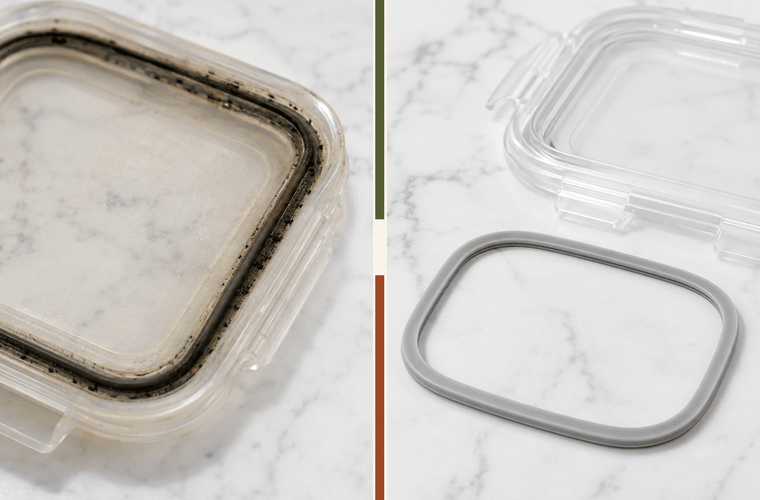
Plastic containers create two problems for anti-inflammatory meal prep. First, heated plastic can release endocrine-disrupting chemicals like BPA and phthalates, compounds that themselves promote inflammation in the body. Using an inflammatory container to store anti-inflammatory food is counterproductive. Second, plastic is porous and absorbs colors and odors, especially from heavily pigmented ingredients like turmeric, tomatoes, and berries. After a few uses, your containers are permanently stained and retain flavors from previous meals.
Borosilicate glass containers solve both problems. They’re chemically inert, meaning nothing leaches into your food at any temperature. They don’t stain from turmeric or tomato sauce. And their airtight seals reduce oxygen exposure, which helps preserve the antioxidant content of your meals.

|
🌿 Razab: Built for Anti-Inflammatory Meal Prep Razab’s borosilicate glass meal prep containers are the ideal partner for an anti-inflammatory kitchen. Turmeric-stained soup? Wipes clean. Salmon and quinoa bowl from freezer to microwave? No container swap needed. Berry chia pudding in the fridge for five days? Stays fresh behind an airtight silicone seal. The 30-piece set with 12 different sizes means you have the right container for every meal: small jars for overnight oats and chia pudding, medium containers for grain bowls and soups, and large containers for batch chili and soup storage. Over 2 million families trust Razab in their kitchens. |
Anti-Inflammatory Meal Prep Storage Chart
|
Meal |
Fridge |
Freezer |
Container |
Notes |
|
Turmeric Overnight Oats |
5 days |
— |
Small (8–13 oz) |
Add toppings fresh each morning |
|
Egg Muffins |
4 days |
3 months |
Medium |
Reheat 30–45 sec |
|
Berry Chia Pudding |
5 days |
— |
Small (8–13 oz) |
Add hemp seeds before serving |
|
Salmon Quinoa Bowl |
3 days |
2 months |
Medium (17–22 oz) |
Store arugula separately |
|
Turmeric Lentil Soup |
5 days |
3 months |
Medium (17–22 oz) |
Better on day 2–3 |
|
Chickpea Kale Salad |
4 days |
— |
Medium (17–22 oz) |
Dressing separate |
|
Ginger-Garlic Chicken |
4 days |
3 months |
Medium (17–22 oz) |
Store rice separately |
|
Anti-Inflam. Chili |
5 days |
3 months |
Medium–Large |
Freezes exceptionally well |
|
Baked Salmon Plate |
3 days |
— |
Medium (17–22 oz) |
Best consumed within 3 days |
|
Trail Mix |
7+ days |
— |
Small (6–11 oz) |
Room temperature is fine |
Frequently Asked Questions
These are the most common questions beginners ask about anti-inflammatory eating. Each answer is written to be concise and directly useful.
What is the fastest way to reduce inflammation through diet?
The fastest dietary change you can make is eliminating added sugar and processed foods while increasing your intake of fatty fish, leafy greens, and extra virgin olive oil. Many people report reduced joint stiffness, improved energy, and better digestion within two to three weeks of consistent anti-inflammatory eating. Adding turmeric with black pepper to daily meals accelerates the anti-inflammatory effect due to curcumin’s potent action on inflammatory pathways.
What does a typical anti-inflammatory meal look like?
A well-built anti-inflammatory plate follows a simple formula: one-quarter lean protein (salmon, chicken, lentils), one-quarter whole grains or starchy vegetables (quinoa, sweet potato, brown rice), and one-half non-starchy vegetables (broccoli, kale, bell peppers, leafy greens). Dress with extra virgin olive oil and season with anti-inflammatory spices like turmeric, ginger, or garlic. This structure ensures you’re getting omega-3s, antioxidants, fiber, and polyphenols in every meal.
Can I meal prep anti-inflammatory meals for the whole week?
Yes, and it’s highly recommended. Most anti-inflammatory meals store well for three to five days in the refrigerator and up to three months in the freezer when stored in airtight glass containers. Soups, stews, and grain bowls are particularly well-suited to meal prep because their flavors deepen over time. Prep components like grains, roasted vegetables, and proteins separately, then assemble into complete meals for maximum freshness.
Are glass containers better than plastic for storing anti-inflammatory food?
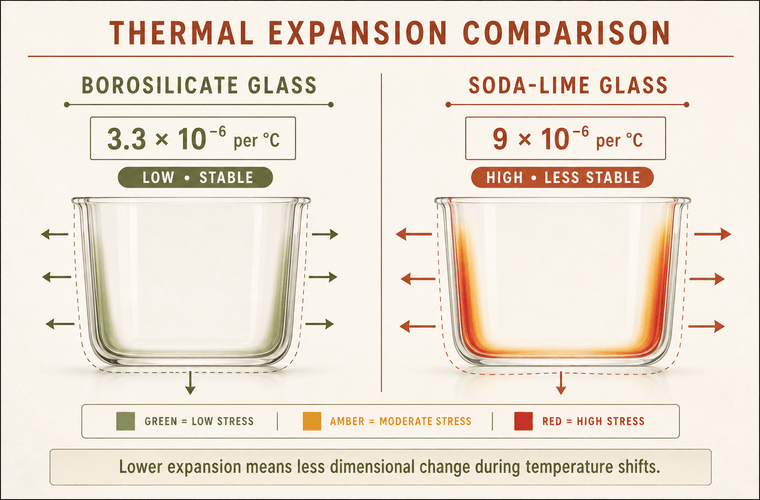
Significantly. Plastic containers can leach chemicals when heated, and those chemicals themselves promote inflammation in the body. Glass containers are chemically inert, meaning they don’t interact with your food at any temperature. They also don’t absorb stains from turmeric, tomato sauce, or berries, and they maintain an airtight seal that preserves the antioxidant content of your meals longer. Borosilicate glass containers, like those made by Razab, can go from freezer to oven to dishwasher without cracking.
Do I need to avoid gluten and dairy on an anti-inflammatory diet?
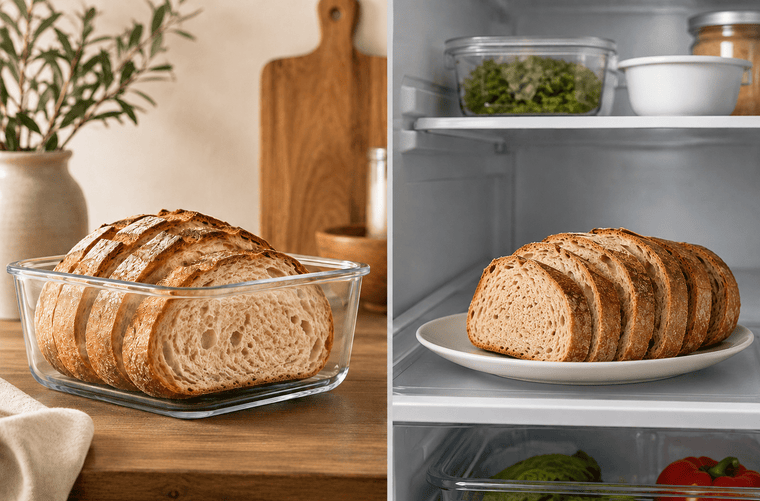
Not necessarily. Gluten and dairy are only inflammatory for people with specific sensitivities like celiac disease, non-celiac gluten sensitivity, or lactose intolerance. For most people, whole grain bread, oats, yogurt, and kefir are perfectly compatible with an anti-inflammatory diet and may even be beneficial. If you suspect a sensitivity, try eliminating one food group at a time for two to three weeks and observe how your body responds. A registered dietitian can help identify specific triggers.
What are the best anti-inflammatory spices to use daily?
Turmeric is the most studied, with its active compound curcumin shown to inhibit multiple inflammatory pathways. Always pair it with black pepper, which increases absorption by up to 2000%. Ginger is a close second, particularly effective for joint pain and digestive inflammation. Cinnamon supports blood sugar regulation, which indirectly reduces inflammation. Garlic and rosemary round out the top five, offering broad antioxidant and anti-inflammatory benefits. Aim to include at least two of these spices in your meals daily.
How many containers do I need for anti-inflammatory meal prep?
For one person prepping five to six days of meals and snacks, plan on eight to ten medium containers for main meals and five to seven small containers for breakfasts, snacks, and individual portions. A 30-piece set with assorted sizes, like Razab’s Glass Container Set, covers all these needs with room for pantry organization and leftover storage.
Start Your Anti-Inflammatory Kitchen This Weekend
An anti-inflammatory diet isn’t a short-term fix. It’s a way of eating that compounds over time, reducing your inflammatory load week by week, month by month. The people who succeed aren’t the ones who follow the most complicated plan. They’re the ones who start simple, stay consistent, and set up their kitchen so that eating well is the path of least resistance.
Pick three recipes from this guide. Block 90 minutes on Sunday. And make sure the food you prep is stored in containers that protect its nutritional value, not degrade it.
|
Protect Your Anti-Inflammatory Meals with the Right Containers Razab’s 30-piece borosilicate glass container set: 12 sizes, turmeric-proof, BPA-free, and trusted by over 2 million families. Freezer-safe • Oven-safe to 450°F • Microwave-safe • Dishwasher-safe • Stain-resistant Shop with Razab & 30% off meal prep containers. |
Conversation
Join the discussion