8 min read

|
The most researched anti-inflammatory drinks turmeric golden milk, green tea, tart cherry juice, beet juice, ginger shots all contain compounds that degrade when exposed to air, light, and certain materials. Most people prepare these drinks correctly and store them wrong. The container material directly affects how much of the active compound reaches your body. |
You are making golden milk with fresh turmeric and black pepper because you read that curcumin reduces inflammatory markers. That part is right. The problem is the plastic container in your fridge where it sits for the next four days.
Every guide about anti-inflammatory drinks covers what to drink and why. None of them cover what happens to the compounds after you make the drink. Curcumin is fat-soluble and chemically reactive. Anthocyanins in tart cherry juice are sensitive to pH changes that occur in contact with certain plastics. EGCG in green tea degrades rapidly with air exposure. The benefits you are targeting depend on the concentration of these compounds when you actually drink not when you prepared it.
This is the part of the anti-inflammatory drink conversation that health sites skip because they are not material scientists. Glass food storage containers exist specifically because glass is chemically inert it does not react with or absorb anything it holds. For drinks containing sensitive bioactive compounds, that inertness is the entire point.

Why the Container Material Affects Anti-Inflammatory Potency
|
Polyphenols, curcuminoids, and anthocyanins — the compounds responsible for the anti-inflammatory activity in most drinks — are chemically reactive. Glass is inert. Plastic is not. In extended contact, several plastic compounds interact with acidic and fat-soluble ingredients, and antioxidant content in plastic-stored samples is measurably lower than in glass-stored equivalents across multiple studies. |
The chemistry is specific. Curcumin in turmeric is fat-soluble and degrades 40 to 60 percent with extended light and air exposure which is exactly what occurs when golden milk sits in a partially sealed plastic container in a bright fridge. Anthocyanins in tart cherry juice and beet juice are water-soluble pigments that are sensitive to pH changes. Contact with certain plastic compounds alters the pH environment and measurably reduces anthocyanin stability over 24 to 48 hours of refrigerated storage.
NIH research on phthalate exposure confirms that plastic food containers can leach trace compounds into food and beverages over extended storage periods, particularly with acidic or fatty contents both of which describe most anti-inflammatory drinks. The issue is not acute toxicity. The issue is that you are drinking something specifically for its bioactive content, and the container is reducing that content before you consume it.
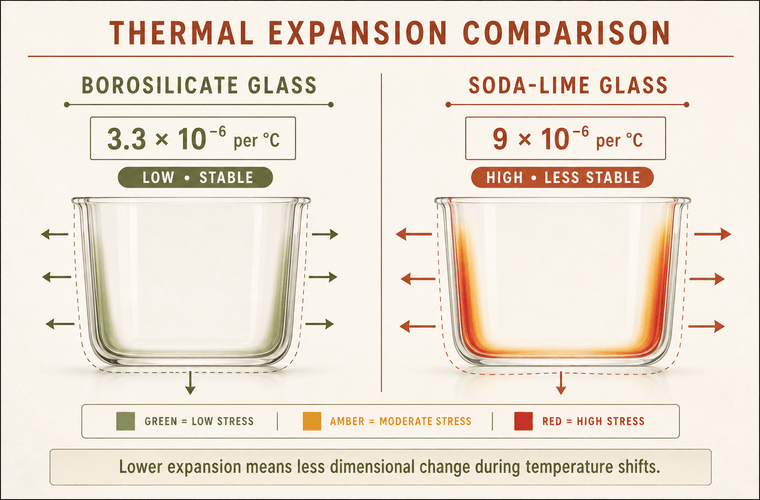
Glass eliminates this variable entirely. Borosilicate glass is chemically inert with acids, fats, and polyphenols at any refrigerator temperature. The compound concentration in a glass-stored drink on day four is closer to what it was on day one than the same drink stored in plastic.
The 8 Most Effective Anti-Inflammatory Drinks and How to Store Each One
|
Each of the following drinks contains specific bioactive compounds with documented anti-inflammatory mechanisms. The storage guidance is based on the chemical properties of those compounds — not general food safety guidelines. Getting the storage right is what determines whether the drink you are consuming on day three still contains meaningful concentrations of what you made it for. |
1. Turmeric Golden Milk
Curcumin — turmeric's primary anti-inflammatory compound — is fat-soluble and poorly bioavailable on its own. The standard preparation (turmeric, black pepper, fat source, milk base) increases bioavailability by up to 2,000 percent due to piperine in black pepper. Store in a sealed glass container in the fridge for up to 5 days. Shake or whisk before drinking curcumin settles. Never store in plastic: curcumin's fat-soluble nature means it interacts with plastic compounds more than water-soluble ingredients.

2. Green Tea and Matcha
EGCG the primary polyphenol in green tea is stable for 24 hours in properly sealed storage and degrades significantly by 48 hours in open or poorly sealed containers. Matcha degrades faster than brewed green tea because the whole leaf powder has more surface area exposed to oxygen. Store brewed green tea in a sealed glass container, refrigerated, and consume within 24 hours for full potency. Matcha powder stores best in a small sealed glass jar, away from light.

3. Tart Cherry Juice
Montmorency tart cherries contain high concentrations of anthocyanins polyphenols that inhibit COX-1 and COX-2 enzymes with similar mechanisms to ibuprofen. Anthocyanins are particularly sensitive to pH changes that can occur in plastic storage. Once opened, tart cherry juice stores best in a glass container, refrigerated. Consume within 7 to 10 days of opening. Do not store in direct fridge light anthocyanin degradation accelerates with light exposure.

4. Fresh Ginger Tea or Ginger Shots
Fresh ginger contains gingerols, which convert to less potent shogaols with heat and air exposure. Fresh-pressed ginger juice stores for 3 to 5 days refrigerated in a sealed glass container. Ginger is significantly more potent fresh than dried — a ginger tea bag contains shogaols that are less therapeutically active than the gingerols in fresh root. Grating fresh ginger into hot water and storing the pressed juice in glass keeps the compound profile closest to fresh.

5. Beet Juice
Betalains the red-purple pigments in beets, have documented anti-inflammatory properties and are particularly sensitive to heat, light, and oxidation. Beet juice degrades visibly (color fades from deep red to pale orange) as betalain concentration drops. Store in a sealed glass container, away from light, refrigerated. Consume within 3 to 4 days. Clear plastic containers on a bright fridge shelf are the worst storage option for beet juice.

6. Bone Broth
Bone broth contains collagen, glycine, and proline, compounds that support the gut lining and reduce intestinal inflammation. The compounds are chemically stable but broth is one of the strongest flavor-absorbing liquids, it picks up plastic odors and flavors in storage, particularly on repeated reheating. Store in glass meal prep containers, refrigerate for up to 5 days, freeze for up to 6 months. Reheat directly in the glass container without transfer.

7. Pomegranate Juice
Pomegranate contains punicalagins, ellagitannins with some of the highest antioxidant activity of any known compound. Once opened, pomegranate juice is highly susceptible to oxidation. Store sealed in glass, refrigerated, and consume within 5 days of opening. Commercial pomegranate juice in plastic bottles has a shorter peak-potency window than glass-bottled equivalents because polyphenol degradation is measurably faster in plastic.

8. Lemon Water with Ginger
The simplest anti-inflammatory drink and the one where storage makes the least technical difference is still best in glass. Citric acid from lemon reacts slowly with plastic over time. Fresh lemon juice stores for 2 to 3 days in a sealed glass container before vitamin C content drops significantly. Make a batch at the start of the week, store in glass, and drink cold throughout the week.

Why Glass Is the Only Container Worth Using for Anti-Inflammatory Drink Prep
|
Glass is chemically inert. It does not react with acids, fats, or polyphenols at any temperature found in a standard refrigerator or freezer. Plastic is not inert. The specific compounds most responsible for anti-inflammatory activity — curcuminoids, anthocyanins, EGCG, betalains — are exactly the compounds most affected by reactive container materials. |
The anti-inflammatory benefits of the drinks above depend on compound concentration at the time of consumption not at the time of preparation. A curcumin content of X at preparation becomes Y after four days of storage. Glass minimizes that degradation. Plastic accelerates it. For drinks consumed once a day over several days which is how most people actually incorporate anti-inflammatory drinks into a routine the container material is not a marginal factor. It is a primary variable.
Glass vs plastic food storage covers the full material comparison but the anti-inflammatory drink angle is the most specific and least-discussed application of this difference. Health sites focus on what to drink. Container brands focus on food storage. The connection between the two is this: the most bioactive ingredients you are consuming daily deserve the storage material that does not reduce them.
|
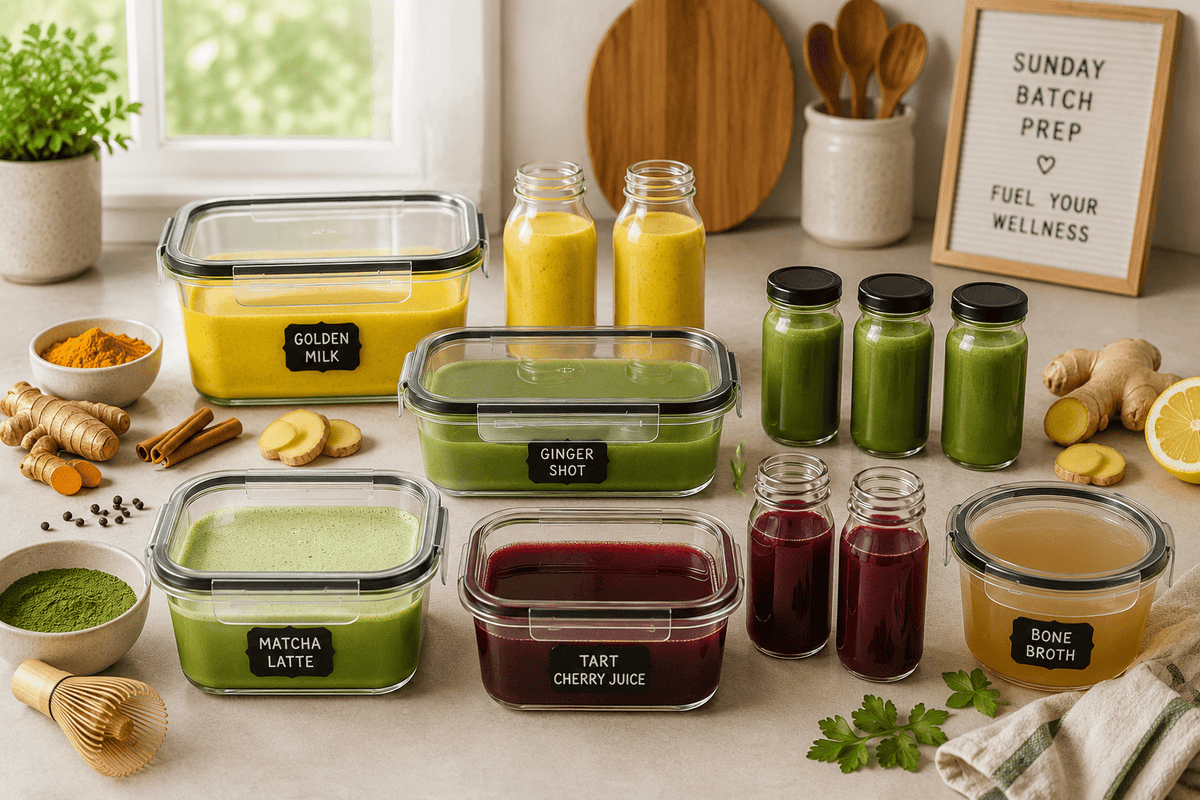
The Weekly Anti-Inflammatory Prep System Batch-prep these on Sunday and store in individual glass meal prep containers: one container of golden milk per day (Monday through Friday), one container of brewed matcha per day, and one glass jar of ginger shots. Everything comes from the fridge each morning. Reheat golden milk directly in the glass container. No plastic involved at any stage. |

How Long Each Anti-Inflammatory Drink Stays Potent in the Fridge
|
Potency and safety are different timelines. Most of these drinks are safe to drink for longer than they remain at peak potency. The timelines below are for compound concentration — when the specific anti-inflammatory activity starts to decline meaningfully, not when the drink becomes unsafe. |
Brewed green tea: 24 hours at full EGCG potency, 48 hours with some degradation. Consume within 24 hours for maximum benefit. Turmeric golden milk: 4 to 5 days in a sealed glass container — curcumin is fat-soluble and stable. Tart cherry juice: 7 to 10 days opened, peak anthocyanin content in the first 5 days. Bone broth: 4 to 5 days refrigerated at full collagen and glycine content.
These timelines hold in glass. In plastic, degradation begins earlier for every compound listed because plastic is not inert with the specific chemistry of these drinks. The practical implication: prep on Sunday, consume through Friday, use glass. How long meal prep lasts in glass covers the broader food prep timeline, the same glass-sealed storage principle applies identically to prepared drinks.
The Anti-Inflammatory Meal Prep System That Works All Week
|
The most effective anti-inflammatory routine is not the most elaborate one. It is the one that makes the right drinks easy to consume every day. A Sunday prep session of 30 minutes — producing five days of morning drinks, stored in glass — removes the daily friction that causes most anti-inflammatory routines to collapse by Wednesday. |
The system: four glass containers of golden milk (Monday through Thursday), two glass jars of ginger shots (concentrated doses for the first two days), one larger glass container of brewed matcha for the week (consume within 24 hours per serving), and one glass container of tart cherry juice for evening use. Everything is made once, stored cold, and grabbed daily.
The glass meal prep container system works here because every drink has different heating requirements — golden milk is reheated, ginger shots are consumed cold, matcha is consumed cold or at room temperature. One container format handles all of them without flavor transfer between uses. A plastic container that stored ginger carries ginger into the next thing it holds. Glass does not. That distinction matters when you are drinking seven different things from the same container set over five days.
For anyone building an anti-inflammatory routine alongside weight management goals, anti-inflammatory meal prep for weight loss covers how the same glass container system supports both, the drink prep and the food prep in the same cohesive system.

FAQs
Do anti-inflammatory drinks lose potency when stored in plastic?
Yes, research shows polyphenols, anthocyanins, and curcumin degrade faster in plastic than glass. Acidic drinks like tart cherry juice and beet juice interact with plastic compounds, and antioxidant content is measurably lower after storage. Glass food storage containers are chemically inert and do not interact with any of these compounds.
What is the best container for storing turmeric golden milk?
A sealed glass container in the fridge. Curcumin is fat-soluble and degrades with light, air, and plastic contact. Glass stores golden milk without any chemical interaction for up to 5 days.
How long do anti-inflammatory drinks last in the fridge?
Brewed green tea: 24 to 48 hours. Turmeric golden milk: 4 to 5 days sealed in glass. Tart cherry juice: 7 to 10 days opened, peak potency in first 5 days. Bone broth: 4 to 5 days. Fresh ginger tea: 3 to 5 days.
Can I meal prep anti-inflammatory drinks in glass containers?
Yes and glass is the only material worth using. Glass does not absorb flavors, does not leach compounds into acidic drinks, and goes from fridge to microwave without transfer. Glass meal prep containers from Razab handle the full weekly anti-inflammatory drink prep in one matched set.
Does plastic storage affect the health benefits of anti-inflammatory drinks?
Research suggests it can. NIH research on phthalate exposure notes that plastic containers leach trace compounds into food and beverages over extended storage periods, particularly with acidic or fatty contents which describes most anti-inflammatory drinks. Glass eliminates this variable.
Every anti-inflammatory drink in this list is best prepared on Sunday and stored through Friday. The preparation takes 30 minutes. The system holds if the storage is right. Razab glass meal prep containers are the storage layer borosilicate construction, chemically inert, oven-to-fridge safe, available in the sizes that cover a full week of drink prep from individual ginger shot jars to family-size golden milk batches.
|
About the Author This guide was produced by the Razab Product Research Team. Our team tested how borosilicate glass performs against polypropylene plastic in extended contact with acidic, fat-soluble, and polyphenol-rich liquids — precisely the compounds found in anti-inflammatory drinks — to confirm that glass is the only inert storage option that does not interfere with what you are consuming. Our mission is to help families reduce food waste through better storage science. |
Conversation
Join the discussion