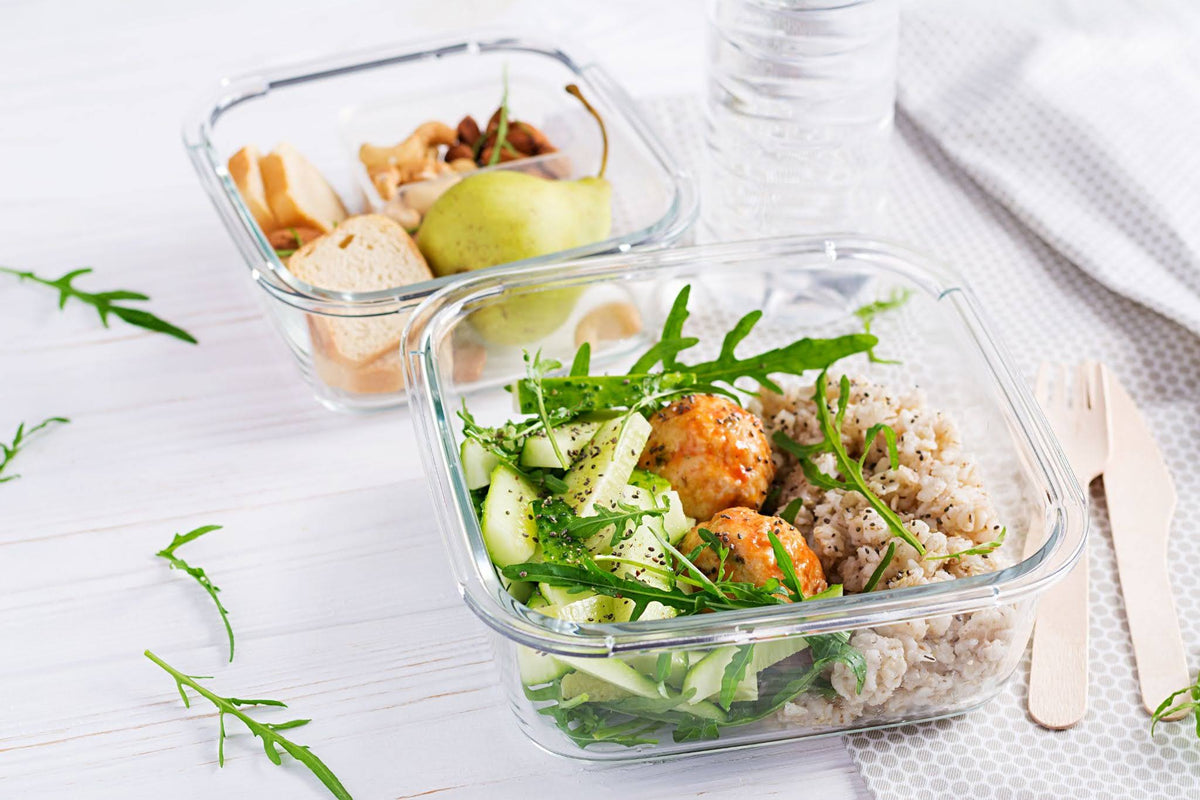

We have all had that 'Wednesday realization'. Opening the crisper drawer to find a bag of slime where the spinach used to be. It’s frustrating and expensive. After testing different storage methods in our own test kitchen, we found that food spoilage isn't usually about the fridge temperature, it's about the microscopic battle against air and gas."
This guide covers the real reasons food spoils faster than it should — moisture, air, cross-contamination, wrong containers, wrong fridge zones — and exactly what to change. No complicated systems. Just practical fixes that start working the same day.
What Is the Biggest Reason Food Goes Bad So Fast?
Air and moisture are the two main culprits. When food is exposed to air, oxidation breaks down fats, vitamins, and cell walls. When moisture gets in or out at the wrong time, it either dries food out or creates the wet, warm conditions bacteria love.
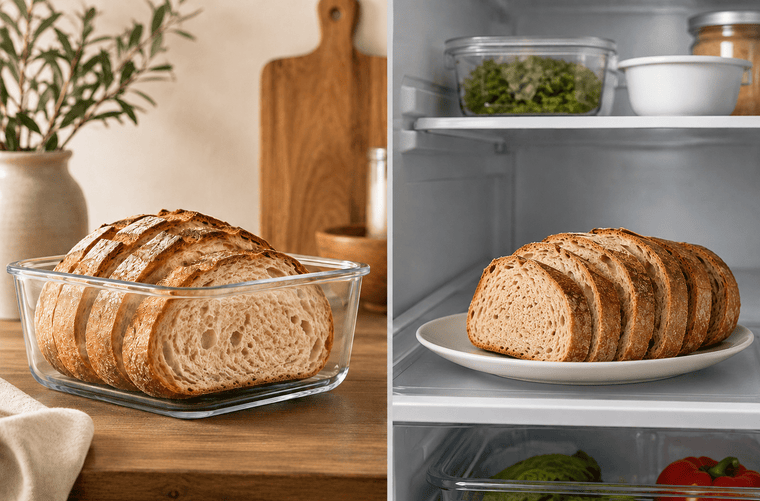
The container matters more than most people realize. A loosely sealed bag, a plastic container with a warped lid, or a bowl covered in plastic wrap lets air circulate constantly. Each time you open the fridge, warm air rushes in and meets the cool air inside and whatever food is poorly sealed is absorbing that humidity and oxygen exchange every single time.
|
The USDA estimates that American households throw away between $1,500 and $2,000 worth of food per year. Most of it spoils before it gets eaten not because the food was bad to begin with, but because of how it was stored. |

The 5 Most Common Ways We Accidentally Ruin Our Groceries
Most food waste comes down to a short list of storage habits. These are the ones that show up most often.
Storing food in the wrong part of the fridge — does it matter?
Yes, significantly. The temperature inside your fridge is not the same everywhere. The door is the warmest spot, which makes it a poor choice for milk, eggs, or leftovers. The back of the lower shelves stays coldest and most consistent — that is where raw meat, fish, and anything that needs to stay cold should go.
The crisper drawers are designed to control humidity. The high-humidity drawer is for leafy greens and herbs. The low-humidity drawer is for produce that releases ethylene gas, like apples, pears, and stone fruit. Mixing them together speeds up spoilage for both.
- Door: condiments, juice, butter only
- Upper shelves: ready-to-eat food, leftovers, drinks
- Lower shelves: raw meat, fish, dairy
- Crisper (high humidity): leafy greens, herbs, broccol.
- Crisper (low humidity): apples, pears, avocados, stone fruit
Is putting hot food in the fridge right away actually a problem?
It depends on the container and how much you are putting in. A large pot of hot soup going straight into the fridge raises the internal fridge temperature temporarily, which can push surrounding food into the danger zone above 40°F. The FDA recommends cooling large batches to room temperature within two hours before refrigerating.
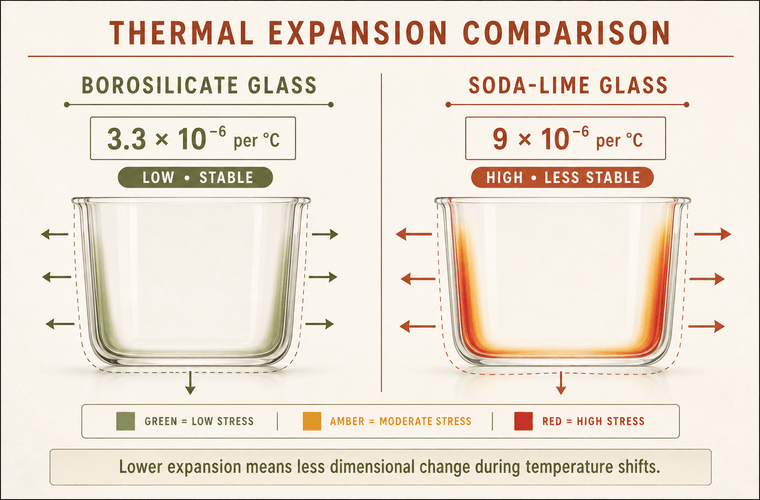
But this does not mean leaving food out for hours. The sweet spot is letting food cool for 20 to 30 minutes on the counter just enough to stop it steaming inside the container then sealing and refrigerating. Borosilicate glass containers handle the temperature transition well without warping or off-gassing. Learn more about putting hot food directly in glass in this Razab guide on hot food and glass containers.

Beyond just freshness, there is a health component to container choice. Research published via the National Institutes of Health (NIH) highlights that chronic, low-level exposure to plasticizers can occur when food is stored in porous materials, especially when those materials are heated or reused over years.
Does the type of container actually change how long food lasts?
Yes and this is where most people lose the most food. Food stored in airtight glass containers consistently lasts one to two days longer than food stored in loosely wrapped or improperly sealed containers. Glass does not absorb odors or stains, does not warp over time, and creates a proper seal that keeps air and moisture out.
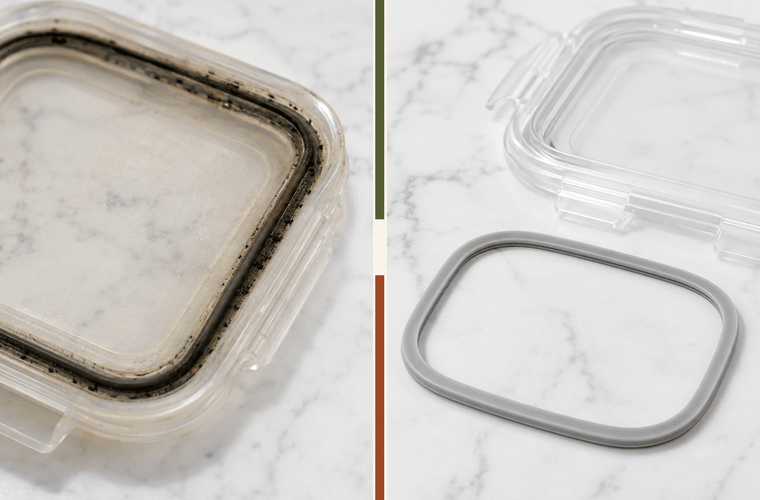
Plastic containers degrade with repeated use. Scratched plastic traps bacteria. Warped lids let air in. Many older plastic containers are not BPA-free, which adds a chemical-exposure concern on top of the spoilage problem.
From our perspective as product developers, we see this as a mechanical issue. Most 'airtight' plastic lids fail because plastic is a flexible material that expands and contracts with heat. After 20 or 30 dishwasher cycles, that lid no longer creates a true vacuum. Glass, specifically borosilicate, stays rigid, ensuring the seal remains 100% airtight for years, not months.
|
Pro-Tip: If you’re tired of checking the lid every time you close the fridge, look for borosilicate glass. It creates a mechanical airtight seal that doesn't warp in the dishwasher like standard plastic lids. See how borosilicate glass compares here. |
Browse glass food storage containers with lids to see sizes and sets.

How Long Does Food Actually Last in the Fridge And What Changes It?
Food safety timelines from the USDA give you a reliable baseline. But the actual shelf life in your fridge depends heavily on the container, the fridge temperature (ideally 37°F to 40°F), and how often the fridge is opened. An airtight container at 38°F will almost always beat an open bowl at 40°F.
|
Storage Method |
Fridge Life |
Freezer Life |
Best Container |
|
Cooked chicken |
3–4 days |
2–3 months |
Airtight glass |
|
Cooked pasta |
3–5 days |
1–2 months |
Glass with seal lid |
|
Cooked rice |
3–4 days |
1 month |
Glass or BPA-free |
|
Soup/stew |
3–4 days |
2–3 months |
Large glass container |
|
Cut vegetables |
3–5 days |
8–12 months |
Airtight glass |
|
Leftovers (mixed) |
3–4 days |
2–6 months |
Airtight glass |
These ranges assume airtight storage and a properly calibrated fridge. Loose wrapping or partial seals will shorten every number in that table by 20 to 50 percent.

What Is Cross-Contamination and Why Does It Make Food Spoil Faster?
Cross-contamination is when bacteria from one food transfer to another. Raw meat dripping onto produce below it is the classic example and it happens far more often than people expect because most fridges are not organized with this in mind.
But it is not just about raw meat. Strong-smelling foods like onions, garlic, and certain cheeses release volatile compounds that can penetrate the porous surface of other foods stored nearby in open containers. Ethylene-producing fruits cause vegetables to yellow and soften faster when stored together. Even moisture from one uncovered container can raise the humidity around neighboring food.
The fix is simple: every item goes in a sealed container. Glass containers are particularly good here because glass does not absorb smells, so strong foods like leftover salmon stay contained without flavoring everything near them. Our guide on how to keep food fresh longer covers the exact timing and container rules in more detail.

Why Does Produce Go Bad So Fast Even When Refrigerated?
Produce spoils in the fridge for three main reasons: wrong humidity, ethylene gas exposure, and moisture buildup. Most people put everything in the same drawer and assume the fridge handles the rest. It does not.
Fruits like apples, avocados, and peaches produce ethylene gas as they ripen. When stored next to broccoli, leafy greens, or carrots, the ethylene accelerates those vegetables into rapid decay. This is why your salad greens go limp two days after buying them when stored next to your fruit — not because the greens were bad, but because of the gas exposure.
Moisture is the other factor. Greens need high humidity to stay crisp, but they also need airflow — not trapped condensation. The worst thing you can do is seal wet greens in a sealed bag. A better approach: pat them dry, then store them in a container with a layer of dry paper towel to absorb excess moisture while keeping humidity high. Food & Wine covered the expert take on this in their piece on produce storage done right.
Is the Freezer the Solution — Or Does It Cause Its Own Problems?
The freezer extends food life significantly, but it introduces a different problem: freezer burn. Freezer burn happens when moisture evaporates from the surface of frozen food and ice crystals form on the outside. The food is technically safe to eat but the texture and flavor suffer noticeably.
The cause is almost always the same not enough of a seal. Freezer bags left with air inside, containers that are not fully airtight, or food frozen in a container that is too large relative to what is in it (leaving a lot of air space inside) all lead to freezer burn.
Borosilicate glass containers handle freezer storage well as long as you leave about an inch of headspace for liquids to expand as they freeze. Glass does not absorb freezer odors, does not crack under normal temperature changes, and gives you a clear view of exactly what is inside — which matters more than it sounds when you are trying to actually use what you freeze. There is a full guide on what you need to know before putting glass in the freezer if you want the complete details.
|
Razab glass containers go from freezer to microwave to dishwasher — no transferring food between containers at every step. |

Why Does Pantry Food Go Stale Faster Than Expected?
Pantry staples like flour, oats, nuts, and cereals go stale because of air exposure and moisture fluctuation, not just age. Every time you open a bag and roll the top down instead of resealing it properly, you are letting air in. Humidity from cooking, dishwashing, or just the normal daily fluctuations in a kitchen accelerates this further.
Nuts go rancid because the fats in them oxidize when exposed to air and heat. Flour picks up odors from nearby spices or cleaning products when stored loosely. Oats and cereals go stale because the starch in them recrystallizes as moisture is absorbed and then lost repeatedly.
The fix is transferring dry goods from their original packaging into airtight containers as soon as you get home. The original bag is designed for transport and retail display, not for freshness over weeks of use at home. An airtight container stops the moisture cycle and keeps flavors and textures intact.

How Do You Know If Food Has Gone Bad — Or Is Just Off?
The smell test is the most reliable first step for most foods. Spoiled food almost always smells wrong before it looks wrong. The exception is poultry, which can harbor dangerous bacteria with no visible or smell-based warning signs — which is why the USDA recommends following date labels strictly for raw chicken and turkey rather than relying on your senses.
For cooked leftovers, the visual cues to watch for are mold (obvious), unusual color shifts, sliminess on the surface, or a sour smell that was not there when the food was freshly made. For produce, limpness and discoloration usually mean water loss from poor humidity control rather than bacterial spoilage — the food may still be safe to eat but it is past its best.
- Cooked meat: slimy texture, off smell, dull gray color = spoiled
- Leftovers: visible mold, sour smell = discard immediately
- Produce: limp but no smell = poor humidity, usually still safe
- Dairy: sour smell, separation = spoiled unless it is yogurt or sour cream
- Dry goods: rancid, musty, or cardboard smell = air exposure damage
Our guide on how long leftovers last in the fridge and freezer has a complete breakdown of food safety timelines if you want specifics by food type.

What Are the Quickest Fixes to Make Food Last Longer Starting Today?
These are the changes that make the most difference with the least effort.
- Switch to airtight containers. Stop using bowls with plastic wrap or loosely sealed bags for anything in the fridge.
- Organize by fridge zone. Raw meat on the bottom shelf, back of the fridge. Leftovers on the middle shelf. Produce in the correct crisper drawer.
- Dry produce before storing. Wet greens rot fast. Pat them dry and use a paper towel inside the container to absorb moisture.
- Separate ethylene producers from sensitive vegetables. Keep fruit and vegetables in different drawers.
- Cool food before refrigerating. Let large batches cool for 20 to 30 minutes. Then seal and refrigerate.
- Transfer dry goods out of original packaging. Use airtight containers for flour, oats, nuts, cereal, and anything you open regularly.
- Check fridge temperature. The ideal range is 37°F to 40°F. A thermometer costs a few dollars and removes the guesswork.
If you are rebuilding how you store food at home, the glass meal prep containers collection at Razab covers most of what you need, stackable, airtight, freezer-safe, and available in sizes that actually fit what you cook.
|
The right containers do not just keep food fresher. They make the whole fridge easier to organize and manage. |

FAQs
Why does my food go bad so fast even when I refrigerate it?
Food spoils quickly in the fridge when containers are not fully airtight, the fridge temperature is above 40°F, or food is stored in the wrong zone. Air exposure and moisture are the main drivers. Switching to airtight glass containers and storing food in the correct part of the fridge typically adds one to two extra days of freshness.
Does the type of container really make a difference for food freshness?
Yes. Airtight containers with proper locking seals keep air and moisture out, which directly slows bacterial growth and oxidation. Glass containers are especially effective because they do not absorb odors or warp over time, which means the seal stays intact use after use.
How long do leftovers actually last in the fridge?
Most cooked leftovers last 3 to 4 days in a properly sealed airtight container at 40°F or below, per USDA guidelines. Fish and seafood should be eaten within 1 to 2 days. Soups and stews hold well for 3 to 4 days. Food stored in loosely sealed containers may spoil a day or two earlier than these benchmarks.
Is glass or plastic better for keeping food fresh?
Glass outperforms plastic for long-term food freshness. Glass does not absorb smells, does not scratch (which harbors bacteria), and maintains an airtight seal over years of use. Plastic degrades with repeated washing and use, and older plastic containers may leach BPA or BPS into food. For everyday food storage, glass is the more reliable choice.
What temperature should a fridge be to keep food fresh the longest?
The FDA recommends keeping your fridge at or below 40°F (4°C). The ideal range is 37°F to 38°F. Temperatures above 40°F put food into the bacterial growth danger zone. A fridge thermometer is the only reliable way to verify this, as many built-in temperature displays are not accurate.
Why does produce go bad so fast in the crisper drawer?
Produce often spoils quickly in the crisper because fruits and vegetables are stored together. Ethylene-producing fruits accelerate the ripening and decay of vegetables. Separate them into different drawers high humidity for leafy greens, low humidity for fruits. Make sure produce is dry before storing, as trapped moisture accelerates mold.
The Bottom Line
Food does not go bad fast because of bad luck or low-quality groceries. It goes bad because of small, fixable habits. The right containers, the right fridge zones, keeping produce dry and separated, and cooling food before you seal it these are not complicated changes. They just need to become habits.
Start with the container. An actual airtight seal is the single change that has the most impact on how long food lasts. Everything else builds from there.
For more Razab kitchen guides, visit the Razab kitchen tips blog practical advice on storage, meal prep, and getting more out of your kitchen.
From the Author:
This guide was produced by the Razab Product Research Team. With over 10 million families served and 50,000+ five-star reviews, we specialize in the engineering of borosilicate glass storage. Our mission is to help every household reduce their $2,000 annual cost of food waste through better storage science and USDA-compliant safety practices.
Conversation
Join the discussion