Kitchen Tips
Ditch the Food Scale: The Hand Portion Guide That Actually Works
No calorie apps. No measuring cups. Just your hand and five minutes of reading. 📅 March 11, 2026 ⏱️ 5 min read 🏷️ Healthy Eating What if the most accurate portion-measurement tool you own is already attached to your...
In this article

No calorie apps. No measuring cups. Just your hand and five minutes of reading.
We've all been there: staring at a label that says "one serving = 28 grams" while holding a bag of almonds and no kitchen scale in sight. Calorie counting works for some people, but for many of us it quickly becomes tedious, anxiety-inducing, or simply unsustainable.
The hand-based portion method flips the script. It's a visual, intuitive system built around the one measuring tool you always have with you. And the beauty is that your hand naturally scales to your body — bigger people tend to have bigger hands and need more food, and vice versa.
The Four-Part Hand Guide
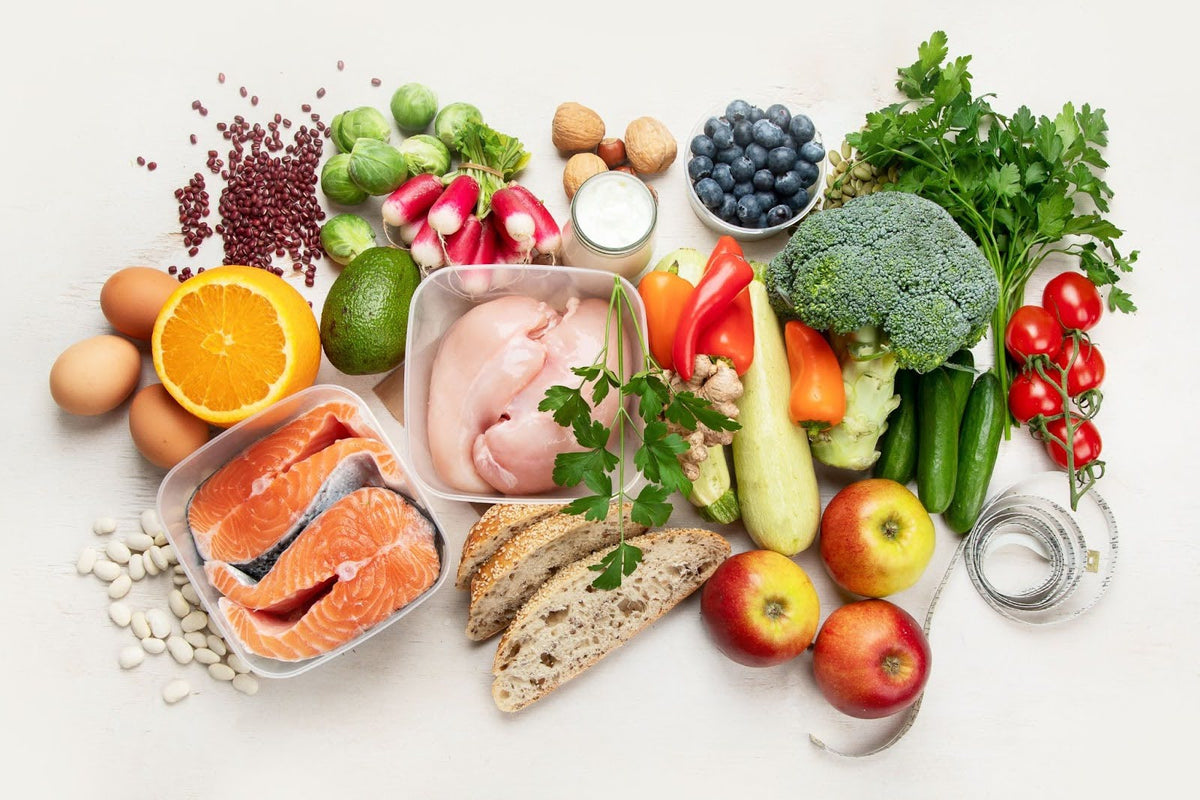
Each macronutrient maps to a different part of your hand. Here's the breakdown for one meal:
Protein
= YOUR PALMChicken, fish, tofu, eggs — a portion the size and thickness of your open palm (fingers excluded).
Carbs
= YOUR FISTRice, pasta, bread, potatoes — about one closed fist's worth per meal.
Fats
= YOUR THUMBButter, oils, nut butters, cheese — roughly one thumb-sized portion.
Veggies
= TWO FISTSLeafy greens, peppers, broccoli — fill up with two fists' worth. More is always welcome.
Why This Method Works
This isn't just a Pinterest hack — it's grounded in practical nutrition science. Registered dietitians and sports nutritionists have used hand-based portioning for years because it removes the two biggest barriers to healthy eating: complexity and perfectionism.
First, it's portable. You can use it at restaurants, buffets, dinner parties, or work cafeterias without pulling out a scale or an app. Second, it's proportional.
Third, and most importantly, it builds intuition. After a few weeks of using this system, most people develop a natural sense for balanced plates without even thinking about it.
These measurements are per-meal guidelines, not daily totals. Most active adults eat three to four meals per day, so you'd be having three to four palm-sized servings of protein throughout the day — not just one.
What a Real Meal Looks Like

Let's bring this to life with a practical example:
🍽️ Sample Balanced Lunch
Adjusting for Your Goals
The hand guide is a starting point, not a rigid rulebook. Depending on your goals, you can adjust portions slightly.
If your aim is fat loss, try reducing carbs to half a fist at some meals while keeping protein and veggies the same.
If you're trying to build muscle or fuel intense training, consider adding an extra palm of protein and an extra fist of carbs around your workouts.

COMMON MISTAKES TO AVOID
Don't forget to count cooking oils and sauces — a drizzle of olive oil or a generous pour of salad dressing can easily add two to three extra thumbs' worth of fat to a meal.
The Bottom Line
Portion control doesn't require a degree in nutrition or an expensive set of kitchen tools.
Your hands are a free, always-available, surprisingly accurate way to build balanced meals.
The goal isn't perfection. It's building a sustainable, stress-free relationship with food — one handful at a time.
Start Today
Try the hand portion method for your next meal. No downloads, no subscriptions — just look at your hand and build your plate.
From the RAZAB kitchen
Store it better.
Bring the same system into your kitchen with durable glass storage designed for everyday cooking.
Shop glass containersKeep exploring
Keep reading
Conversation
Join the discussion