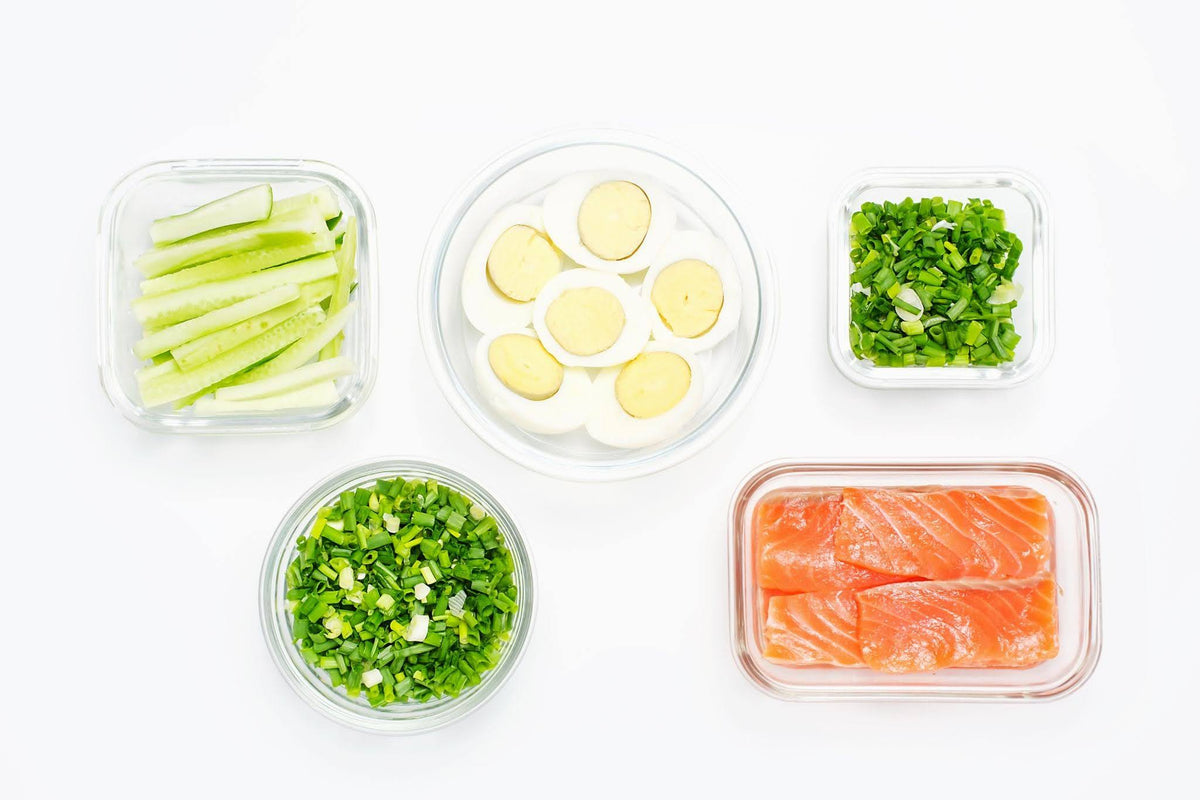

You open the cabinet. An avalanche of plastic lids falls out. Sound familiar?
Most American kitchens have too many containers. And most of them do not even match. The problem is not that you love organizing. It is that containers accumulated without a system. Mismatched lids. Cracked plastic. Sizes you have not touched in two years. It all adds up to a cabinet that costs you a few minutes every single day, quietly, until you stop noticing how annoying it actually is.
Here is the thing: you do not need more containers. You need fewer, better ones.
Why Your Container Collection Got Out of Hand
It usually starts with takeout containers saved "just in case." Then came the multi-pack that seemed like a deal. Then the ones from your mom. Before long you have got 40 containers and lids for maybe six of them.
This is one of the most common kitchen frustrations. And it is not really your fault. Cheap containers do not last. Lids warp. Plastic absorbs smells over time and never quite loses them. The cycle keeps going because you keep replacing what breaks.
Buying a bigger cabinet organizer will not fix this. Deciding what actually belongs in your kitchen will.
Pull Everything Out and Start Fresh
Do not organize what is already there. Empty the cabinet completely. Lay it all on the counter.
Sort into three piles: keep, replace and toss. Keep means it matches a lid, no cracks, no stains, no smell. Replace means the container is fine but the lid is missing or warped. Toss means cracked, stained, smells like old food or has a broken seal.
Be honest here. If you have not used a container in three months, it is taking up space without doing a job. That is a bad trade.
The Sizes You Actually Use
Most people only ever reach for three sizes. Small, for sauces, dressings and snacks. Medium for single meals and leftovers. Large for batch cooking, soups and salads.
That is it. The tiny one for a tablespoon of something? Does not earn its drawer space. The giant one you used once for that party dish? Same problem. Specialty sizes feel useful when you buy them. They rarely are.
Did You Know? According to a survey by the American Cleaning Institute, kitchen clutter is the #1 source of everyday stress in the home. Containers are one of the top three culprits.

Switch to One Material and Commit to It
This is where most container collections fall apart. Mixing plastic, glass, silicone and metal creates a system that does not actually work together. Lids do not cross-use. Sizes do not stack. You end up right back where you started.
Pick one material. Go all in on it.
Glass is the clear winner for a minimalist kitchen. Not because it looks nicer. Because it actually works longer without degrading. Glass containers go from fridge to microwave to oven without switching dishes. They do not absorb food smells or stain from sauces. Lids from the same set fit each other. You can see what is inside without opening six containers to find the leftovers from Tuesday.
Razab's glass food storage containers are designed for this exact kind of kitchen. A set that works together, stacks without fighting, and does the job every day without drama. Designed for families who want a cleaner, easier system, not another product to manage.
Glass vs. Plastic: Why One Material Wins in a Minimalist Kitchen
|
Feature |
Glass |
Plastic |
|
Absorbs food smells |
No |
Yes, over time |
|
Stains from sauces |
No |
Yes |
|
Microwave safe |
Yes |
Some only |
|
Oven safe |
Yes (without lid) |
No |
|
Lid warping |
Rare |
Common |
|
Lifespan |
Years |
Months to a year |
|
Stackability |
Consistent |
Varies by brand |
Plastic wears out. Glass does not. That is the whole calculation.
Set a Container Limit and Actually Stick to It
This is the part most people skip. And it is exactly why the collection creeps back up six months later.
A practical limit for most households: four to six small containers, four to six medium and two to four large. That is ten to sixteen total. Enough for a full week of meal prep, leftovers and packed lunches without filling a whole cabinet.
When you buy something new, something old goes out. One in, one out. Not sometimes. Every time. This sounds rigid because it needs to be. The cabinet does not police itself.
Store Smarter, Not More
Once you have cut the collection down, storing it right keeps it from piling back up.
Nest containers by size, same-size bowls stacked inside each other. Store lids separately in a drawer or a cheap vertical rack. Keep the sizes you reach for most at eye level. These are not complicated ideas. They work because the collection is small enough for them to work.
Glass sets for meal prepping or storing food designed to nest and stack make this significantly easier. When every container is from the same system, they actually fit together. No more Tetris. No more three-minute lid hunt before breakfast.

What to Do With Containers You Are Getting Rid Of
Before anything goes in the trash: donate usable containers to a local food pantry or shelter. They always need them. Recycle plastic through your local program, check for the resin code on the bottom. Repurpose glass jars and containers for garage storage, craft supplies or garden use.
Do not feel guilty about letting go. A kitchen that works is worth the edit.
The Minimalist Container List: What a Streamlined Kitchen Actually Needs
Here is a simple starting point for anyone rebuilding from scratch.
|
Container |
Size |
Best Use |
|
Small glass containers x4 |
1 to 2 cups |
Sauces, dips, snacks |
|
Medium glass containers x4 |
3 to 4 cups |
Lunch portions, leftovers |
|
Large glass containers x2 |
6 to 8 cups |
Batch meals, soups |
Ten containers. If you meal prep every week, add two more mediums. That is still half of what most cabinets hold.

Razab's glass meal prep containers come in sets built for exactly this kind of system. The sizes work together. The lids are interchangeable within the set. Customers consistently say they last years without cracking or staining. That is not a promise. That is just what happens when you stop buying plastic every six months.
Related Readings
These guides go deeper on building a smarter kitchen:
If you want a system for Sunday prep that actually holds up week to week, the how to meal prep with glass containers guide walks through it step by step. For the full breakdown on BPA and chemical leaching, Glass vs. Plastic Food Storage: Which Is Safer? covers everything worth knowing. And if portion control is part of your goal, Meal Prep for Weight Loss: The Container Guide gets into how the right sizes actually support consistency.
Minimalist Kitchen Container Questions
How many food storage containers do I actually need?
Most households function well with ten to sixteen total: four to six small, four to six medium and two to four large. If you meal prep every week, a few extra mediums for portioned lunches makes sense. Beyond that, you are probably keeping things you do not actually use.
Is glass better than plastic for a minimalist kitchen?
Yes. Glass does not stain, does not absorb smells and lasts far longer than plastic. One quality glass set replaces the cycle of buying new plastic every year or two. The upfront cost is higher. The long-term cost is not.
What should I do with mismatched containers I do not use?
Donate usable ones to a local food pantry or shelter. Recycle plastic through your local program. Repurpose glass jars for non-food storage around the house.
How do I stop containers from piling up again?
Set a firm limit and follow a one-in, one-out rule without exceptions. The cabinet fills back up because nothing enforces the limit. You have to do that part yourself.
Can I mix container brands and still stay organized?
You can try. Lids rarely cross-brand fit well and sizes do not stack predictably. Switching to one brand and one system makes it much easier to maintain, because the containers actually work together instead of just coexisting.
Are glass containers worth the higher upfront cost?
Yes, over time. Plastic typically needs replacing within a year or two because it warps, stains and cracks. A quality glass set lasts five or more years. The math is not close.
A clean cabinet is not about the perfect organizing system. It is about having fewer things that all actually work together.
Ready to rebuild with a set built for real kitchens? Browse Razab's glass food storage containers backed by 50,000+ five-star reviews.
Conversation
Join the discussion