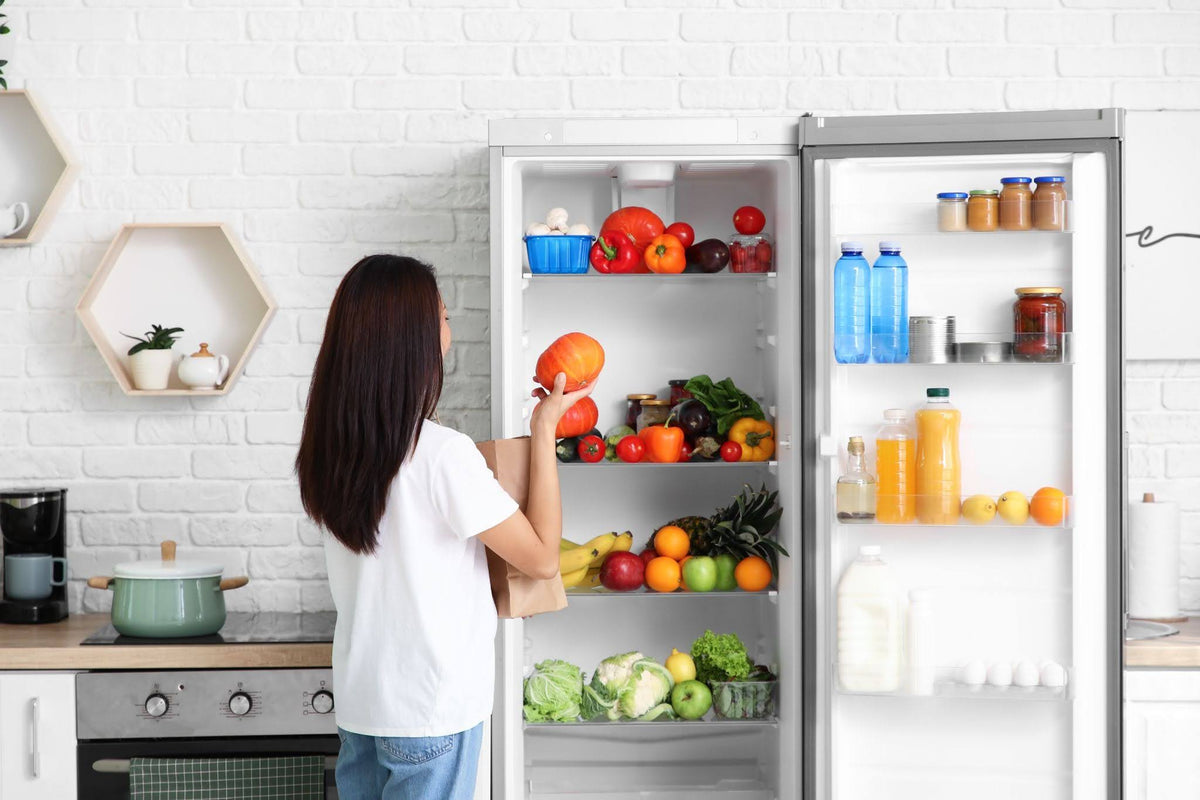

Open your fridge right now. If you cannot see what is inside without moving three things first, keep reading.
Most American families throw away nearly $1,500 worth of food every year. Not because they forget to shop. Because they cannot see what they already have. Things get buried. Leftovers get forgotten. You buy a third jar of mustard because the other two are hiding behind a casserole dish from last Tuesday.
A bigger fridge does not solve this. More containers do not solve this either, not on their own.
Most people think they need more space. They do not. They need visibility.
30 minutes to set up. Saves you money every single week after that.
Why Your Fridge Becomes a Disaster (And Keeps Becoming One)
Most fridge chaos starts the same way: everything goes in wherever there is space.
Leftovers pile up in mismatched containers. Produce gets shoved to the back. Lids stop fitting after a few months. Stacked containers tip the moment you open the door. Plastic fogs up so you cannot see what is inside until you pull it out, open it, regret it.
We have heard this from thousands of families. Same problem, same cycle, same frustration. The fridge gets cleaned out, looks great for a week, then quietly returns to chaos because nothing about the system actually changed.
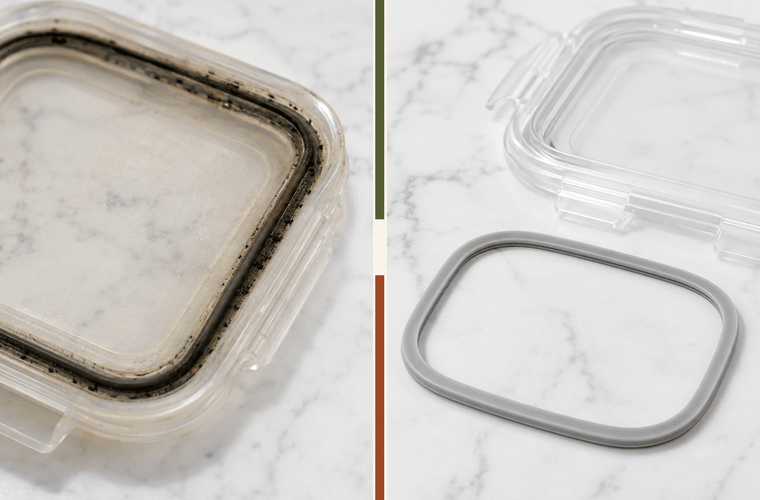
The containers themselves are half the problem and this is the part most organizing advice skips. Most plastic containers are designed to be cheap, not to last. They warp. They stain. The lids seal properly on day one and stop sealing by month four. You end up with a drawer full of lids that do not match anything.
Glass containers fix most of this without you having to think about it. They do not fog. They do not hold onto the smell of last week's curry. The lids stay flat so they actually stack. Small things that add up fast when you are opening your fridge six times a day.

Before You Organize Anything: The Reset
You cannot organize a full fridge. Everything comes out first.
Pull every single thing out. Wipe down the shelves while they are empty. Then go through what is sitting on your counter and be honest with yourself: throw out what is expired, what has been in there longer than you want to admit and anything sealed in a container with a lid that stopped working months ago.
Now sort the rest into rough piles. Proteins: raw meat, fish, eggs, deli. Dairy: milk, cheese, yogurt, butter. Cooked leftovers separate from raw. Produce in one pile, condiments and sauces in another, drinks on their own.
Nothing fancy about this step. Just groups on a counter. Once you can see what you actually have, the rest follows.
Your Fridge Has Temperature Zones and Most People Have No Idea
Not every shelf runs at the same temperature. This is why food goes bad faster than it should even when the fridge setting is correct. Nobody tells you this when you buy a fridge.
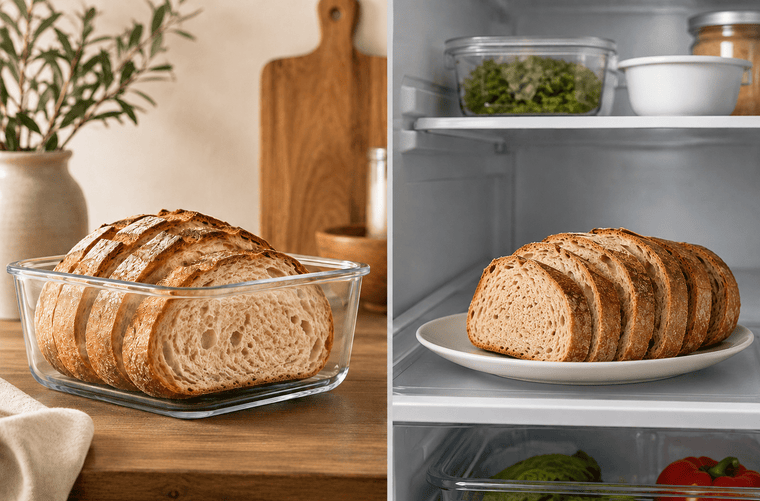
The top shelf is the most stable. Put leftovers here, meal prep, anything cooked and ready to eat. Clear airtight containers so you can see exactly what is there without pulling anything forward.
Middle shelves are for dairy and eggs. Stable temperature, away from the door. Do not put eggs in the door shelf even though every fridge ships with an egg slot built in. Those slots are a design choice, not a food safety recommendation. The door is the warmest part of the whole fridge and the most temperature-variable.
Raw meat, poultry and fish go on the bottom shelf. Always. Drips travel downward and raw protein dripping onto your leftovers is a genuine food safety problem. Use a sealed container or a deep glass tray with a lid. No exceptions.
The two crisper drawers are not the same. One runs high humidity for leafy greens, herbs, broccoli and asparagus. The other runs low for fruit, peppers, cucumbers and apples. Most people shove everything in randomly then wonder why their lettuce wilts in two days. Check your drawers, split them correctly, and notice the difference immediately.
Door shelves are for condiments, hot sauce and drinks. That is it. Milk, eggs and leftovers do not belong there no matter how convenient it looks.

What Makes a Container Actually Worth Keeping
Not every container deserves a spot in your fridge. Four things separate the ones that actually help from the ones that quietly make your fridge worse.
Stackability. Containers that do not stack cleanly waste vertical space and create the leaning towers that collapse every time you open the door. Flat lids that lock properly are not optional. Glass containers with snap-lock lids stack straight and stay there.
Visibility. If you cannot see what is inside without opening it, you will forget it exists. Clear glass stays clear for years. Plastic gets foggy and scratched within months and then you are back to mystery containers.
Airtight seals. A lid that does not seal properly is almost worse than no container because it gives false confidence. Food dries out faster than it would on an open plate and odors spread through the whole fridge.
Flat bottoms. This sounds obvious until you have owned plastic containers for six months and every single one has bowed slightly at the base and nothing sits level on your shelves anymore.
Razab glass food storage containers were built specifically around these four things. Designed for families who want a cleaner, easier fridge system. Customers mention the lids specifically, over and over, because a lid that holds its seal after months of daily use is rarer than it should be.
Give Everything a Permanent Address
Once you know your fridge zones, assign each category a fixed home and leave it there.
This sounds almost insultingly simple. It is also the only thing that makes a fridge stay organized past day seven. When everything has one spot, putting groceries away is fast and automatic. When nothing has a spot, every grocery run becomes a negotiation with the shelves.
|
Zone |
What Goes Here |
Container Type |
|
Top shelf |
Leftovers, meal prep, ready-to-eat |
Glass containers with airtight lids |
|
Middle shelf |
Dairy, eggs, cheese |
Original packaging and glass for open items |
|
Bottom shelf |
Raw meat, fish, poultry |
Sealed glass or deep tray |
|
Left crisper |
High humidity produce (greens, herbs) |
Glass containers or produce-safe lids |
|
Right crisper |
Low humidity produce (fruit, peppers) |
Glass containers or open storage |
|
Door |
Condiments, juice, drinks |
Original bottles and door bins |
Write the date on leftover containers. Not because you will forget what day it is but because you will absolutely forget what day you made something.
The Meal Prep Shelf
If you cook ahead even once a week, that food deserves its own shelf.
This is the shelf that changes weekday mornings. Everything cooked, portioned and ready to grab: lunches, snacks, prepped vegetables, cooked grains. Same-size containers wherever possible so they stack without the whole thing collapsing when you pull one out at 7am.
Glass works especially well here because it goes straight from fridge to microwave. No transferring food. No wondering whether the plastic you are about to heat is one of the safe ones. If reheating is part of your routine, this matters more than most people realise.
The FDA classifies glass as generally recognized as safe at all temperatures with no known chemical migration. Research from the National Institutes of Health found that plastic containers release BPA and other endocrine-disrupting chemicals when heated. Even BPA-free plastics often contain BPS or BPF which behave the same way. If you reheat food straight from the fridge, glass is the only container that removes that question entirely. Not reduce it. Remove it.
Shop Razab glass meal prep containers →

Produce Where Every Fridge System Falls Apart
The crisper drawers defeat most people.
Produce goes in loose, gets forgotten, wilts. Three weeks later you find it and feel vaguely guilty. Then you do the exact same thing next week because nothing about the system changed.
Prep on arrival is what actually breaks the cycle. Wash it, cut it and put it in a container the same day you buy it. Washed cut vegetables in airtight glass stay crisp for four to five days. Leafy greens last longer with a folded paper towel inside to absorb moisture. Berries stored dry in a vented container outlast the plastic clamshell they came in by days.
When produce is clean, cut and visible in a clear container, people eat it. When it is loose in a drawer that requires washing and prep before you can use it, you grab something easier. For more on getting the most out of what you buy, see how to keep food fresh longer. This sounds simple because it is. That is why it works.
The Weekly Reset
A fridge system without maintenance drifts back to chaos. Not slowly. Fast.
Once a week, right before your grocery run when the fridge is at its emptiest, do a quick pass. Pull anything close to expiring to the front. Throw out what is past its prime. Wipe any spills before they harden. Check what you are running low on before you shop instead of realizing it after.
Ten minutes if you do it every week. Forty minutes if you skip two weeks. The system is not the hard part. The consistency is.
Glass vs. Plastic What Actually Matters
|
Glass |
Plastic |
|
Always clear |
Fogs, yellows, scratches |
|
No odor absorption |
Holds smells over time |
|
Stain-proof |
Stains from tomato, turmeric |
|
Flat lids stack cleanly |
Lids warp within months |
|
Microwave safe, straight from fridge |
Some are not; chemical risk when heated |
|
Airtight for years |
Loses seal within months |
|
FDA GRAS, no chemical migration |
BPA/BPS risk when heated |
|
Lasts years |
Replace every 12-18 months |
Plastic needs replacing roughly every year to 18 months. Glass lasts years without degrading. Higher upfront cost, lower long-term cost and you are not microwaving plastic in the meantime.
Razab is a women-owned brand focused on practical, durable glass food storage, featured in Food Network, Better Homes and Gardens and The New York Times. Over 50,000 five-star ratings from people who were buying replacement plastic containers every year and got tired of it. If you want the full breakdown, read our glass vs. plastic food storage comparison.
Mistakes That Undo a Good System
Putting hot food straight into the fridge. Let it cool 20 to 30 minutes first. Hot food raises the temperature of the whole fridge and stresses everything nearby.
Packing shelves wall to wall. Cold air needs room to move. Gaps between containers are not wasted space. They are how the fridge maintains consistent temperature across the whole interior.
Pushing food to the back. The back of a fridge shelf runs colder than the front. Dairy and produce pushed all the way back can partially freeze without you realizing it.
Keeping every container you have ever owned. Random sizes that do not nest together waste more space than they save. Two or three sizes that actually stack with each other beats a cabinet full of mismatched lids every time.
Storing raw and cooked food near each other. Raw proteins go below everything else, sealed. Not a preference. A food safety rule.
FAQs
What is the best way to organize a fridge with containers?
Zone-based system, permanent spots for each food category, clear airtight containers in two or three consistent sizes, weekly reset before grocery shopping. That combination holds up. A one-time deep clean without the system behind it lasts about a week.
How do I stop the fridge getting messy again?
Weekly reset, 10 minutes, before your grocery run. Move older food forward, throw out what is done, wipe any spills. Do it every week and it stays easy. Skip it a few times and you are back to a full reorganization.
Are glass containers actually better than plastic for the fridge?
For long-term fridge organization, yes. Glass stays clear, does not hold odors and the lids maintain their seal far longer. For reheating specifically, glass is the only material without open questions about chemical migration at high temperatures. We covered this in detail in our glass vs. plastic guide if you want the full picture.
How long does food last in glass containers?
Cooked proteins and grains: three to five days. Cut produce: four to five days. The seal matters more than the material. For a complete breakdown by food type, see our guide on how long leftovers actually last.
Where do leftovers go?
Top shelf, consistent temperature, clearly dated. Most recent leftovers go behind older ones so you eat the older food first. One habit that cuts food waste more than almost anything else in this whole guide.
Wrapping up
Stop buying food you cannot see. Stop storing things wherever there happens to be space. Stop replacing plastic containers every year.
Learn the temperature zones. Give everything a permanent spot. Use containers that actually stack, seal and stay clear. Reset once a week before you shop.
Most people think organizing a fridge is about finding the right aesthetic. Matching containers, labels, color coding. None of that matters if the lids do not seal and you cannot see what is inside.
Visibility and airtight seals. That is the whole thing.
Related reading:
Glass vs. Plastic Food Storage Containers: What Should You Use?
Is it Safe to Microwave Glass? A Busy Cook's Guide to Reheating Safely
How Long Do Leftovers Last? The Complete Fridge & Freezer Guide
Conversation
Join the discussion