
|
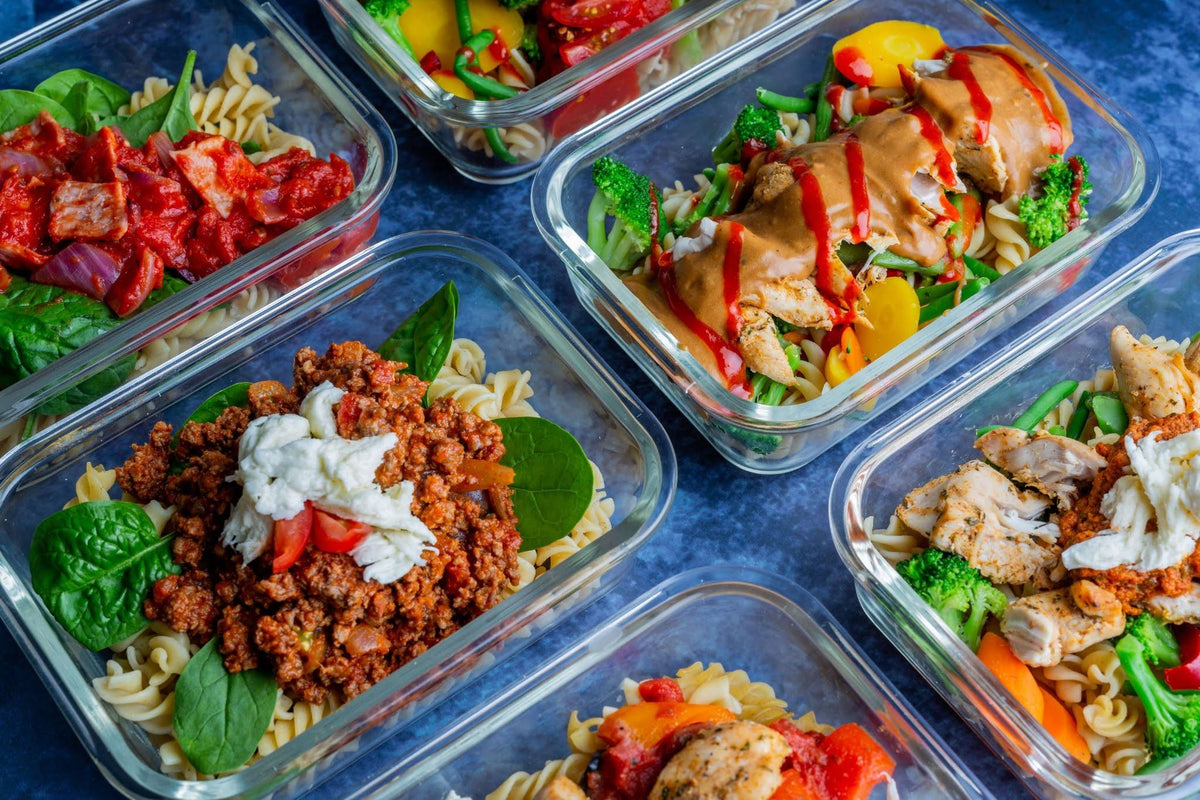
Meal prep with glass containers for beginners starts with 8 to 10 containers in three sizes, three simple foods, and one dedicated hour on Sunday. Cook a protein, a grain, and a vegetable. Portion into labeled containers. Refrigerate. That is the whole system. This guide walks through each step from the beginning. |
You keep seeing meal prep everywhere. Organized fridges, labeled containers, people pulling lunches out on Monday like they had it all figured out on Sunday. But every guide you find assumes you already know what you are doing.
If you have never meal prepped before and feel lost about where to start with glass containers, this guide is written for you. Not for people with 10 containers and a Sunday routine. For first-timers starting from zero.
By the end of this you will know exactly which containers to get, which foods to start with, and how to get a full week of meals done in about one hour. That is the whole promise.

Why Glass Containers Are the Best Way to Start Meal Prep
|
Glass containers are worth it for beginners because they do one thing plastic cannot: they stay clean. Glass does not absorb food smells, does not stain after tomato sauce, and does not look old after six months of use. When you are building a new habit, seeing clean, organized containers in your fridge makes you more likely to keep going. |
Is meal prep with glass containers worth it for beginners? Yes, and for a reason most people do not mention. Glass is see-through in a way that actually helps you stay consistent. You open the fridge and you can see every meal at a glance. Nothing gets forgotten at the back. Nothing gets thrown out because you forgot it was there.
Glass goes from fridge to microwave to dishwasher without switching containers. That matters on a busy Monday morning when you just want to reheat and eat. Pull the container out, take the lid off, 3 minutes in the microwave. Done.
Do glass food storage containers keep meal prep fresh longer than plastic? Generally yes. Glass creates a tighter seal and does not absorb odors between uses. A chicken rice bowl stored in glass on Sunday still smells like chicken rice on Thursday, not like every meal you have stored before it.
The upfront cost is higher than plastic. But a set of good glass meal prep containers lasts years. Most people who switch from plastic stop replacing containers entirely after the first year.

How Many Glass Containers Does a Beginner Actually Need?
|
A beginner needs 8 to 10 containers total across three sizes. Four large containers for main meals, three medium glass containers for sides and vegetables, and two small containers for sauces and dressings. Do not buy a 30-piece set. You will use 8 containers in your first month. Start there and add more only if you run out. |
How many glass containers do you need to start meal prepping? The honest answer is fewer than you think. Most beginners overbuy because sets come in large counts and everything looks necessary in the store. It is not.
Start with the 9-container breakdown below. It covers a full week of lunch and dinner for one person, or lunch for two people, without any container going unused.
|
Container Size |
How Many |
What It's For |
|
Large (4 to 5 cups) |
4 containers |
Main meals: chicken, rice bowls, pasta, salads |
|
Medium (2 to 3 cups) |
3 containers |
Sides, roasted vegetables, snacks |
|
Small (1 cup) |
2 containers |
Sauces, dressings, dips, cut fruit |
What size glass containers for meal prep beginners? Large containers handle your main meals. A 4 to 5 cup size fits a chicken breast, a serving of rice, and a side of vegetables with room to spare. Medium containers are for sides you are portioning separately. Small containers are for the sauces and dressings that keep meals from feeling boring by Thursday.
Razab's glass container starter set includes this exact mix of large and medium containers — the right sizes to cover a full week without overbuying on your first try. See the starter options here.

What Foods Should a Beginner Start With?
|
Start with four ingredients only: one protein, one grain, one vegetable, and one sauce. Baked chicken breast, cooked rice or quinoa, roasted broccoli or carrots, and a sauce stored in a small glass container. These four cover every combination you need for a week and take the least effort to cook in bulk. |
What foods to meal prep for beginners should be the shortest possible list. Every guide throws 10 different recipe ideas at you and that is where the overwhelm starts. Ignore the complexity. Your first week needs exactly four things.
The Beginner Core Four
Protein: Baked chicken breast. Season simply, bake at 400 degrees for 20 to 25 minutes, slice into portions. It lasts four days in the fridge, works in bowls, wraps, and salads, and requires almost no skill to make consistently.
Grain: Cooked rice or quinoa. One large batch covers the whole week. Rice needs about 20 minutes. Quinoa is faster at 15. Both portion easily and reheat in two minutes.
Vegetable: One sheet pan of roasted vegetables. Broccoli, carrots, bell peppers, or zucchini. Cut, toss with olive oil and salt, 425 degrees for 20 minutes. They go with everything.
Sauce: Store one sauce in a small glass container. Tahini dressing, hot sauce, or a simple olive oil and lemon mix. This is the thing that makes Tuesday feel different from Monday without cooking anything new.
Can I meal prep 5 days of food in glass containers? Yes, with this setup. The chicken lasts four days safely. Make a second batch midweek if you want Friday covered. The grains and vegetables hold well through day five.
One rule that makes the first week easier: only prep what you will actually eat that week. Not what sounds healthy. What you will genuinely reach for. If you love pasta, prep pasta. Start with what you know.

Step-by-Step: How to Prep a Full Week of Food in One Hour
|
Your first meal prep Sunday takes about 55 to 60 minutes for 4 to 5 days of meals. The key is starting what takes longest first and using the cooking time to prep everything else. Cook the protein and grain first. Roast the vegetables while those cook. Portion and seal while everything cools. Label and refrigerate. |
Here is how to meal prep for the week step by step, written for someone doing it for the first time. Follow this order and nothing will be waiting on anything else.
-
Step 1 — Set up your containers (5 minutes)
Take out all your glass containers. Wash and dry if needed. Line them up on the counter with lids set aside. Seeing them laid out makes portioning faster at the end.
-
Step 2 — Write a simple list (5 minutes)
Decide on 3 meals for the week. Example: chicken rice bowl, pasta with roasted vegetables, egg and veggie box. Write it down. This prevents mid-cook confusion.
-
Step 3 — Start what takes longest (10 minutes active)
Put chicken in the oven at 400 degrees. Get rice or quinoa started on the stove. These run in the background while you prep everything else.
-
Step 4 — Roast your vegetables (5 minutes active, 20 minutes oven)
While the protein and grain cook, cut your vegetables, toss with oil and salt, and put on a sheet pan at 425 degrees. The oven does the work.
-
Step 5 — Let everything cool (10 to 15 minutes)
Never seal hot food in glass containers. Steam trapped inside breaks down food faster and creates condensation that softens textures. Ten minutes on the counter is enough.
-
Step 6 — Portion and label (10 minutes)
Divide protein, grain, and vegetables across your large containers. Fill medium containers with sides. Add sauce to small containers. Write the day or meal name on each lid with a marker.
-
Step 7 — Stack and refrigerate
Place meals you will eat first at eye level in the fridge. Done. You now have 4 to 5 days of food ready to go.
Total time: approximately 55 to 60 minutes, most of which is oven time you spend doing other things. The active hands-on part is closer to 30 minutes.
For help on portion sizes and how long each food stays fresh, the guide to how long meal prep actually lasts in the fridge covers specific timelines by food type.

How to Store and Organize Your Glass Containers in the Fridge
|
Put the meals you will eat first at eye level, front of the shelf. Raw proteins always go on the bottom shelf to prevent drips. Group by meal type: all lunches together, all dinners together. Label every lid. Do not stack heavy containers on top of lighter ones. Leave small gaps between containers for air circulation. |
How to store meal prep glass containers in the fridge is less about organization style and more about what you will actually stick to. The system that works is the simplest one.
Eye level means eaten. Whatever you can see when you open the fridge gets used. Whatever gets pushed to the back gets forgotten. Put Monday and Tuesday at the front. Wednesday and Thursday behind them.
The bottom shelf rule is a food safety point, not just organization. Raw chicken or beef dripping onto cooked food below it is one of the most common causes of foodborne illness at home. Marinating proteins and raw meat go on the bottom shelf, always.
Label tape or a permanent marker on the lid takes five seconds and saves you from opening every container to figure out what is inside. Write the day or the meal. Whatever is easier to remember.

FAQs
How long does meal prep last in glass containers in the fridge?
Most cooked proteins, grains, and roasted vegetables last 4 days in the fridge when stored in sealed glass containers. Fish and seafood are the exception at 2 days. Sauces and dressings last up to a week. When in doubt, smell it and check the texture before eating.
Can glass containers go in the microwave for reheating meal prep?
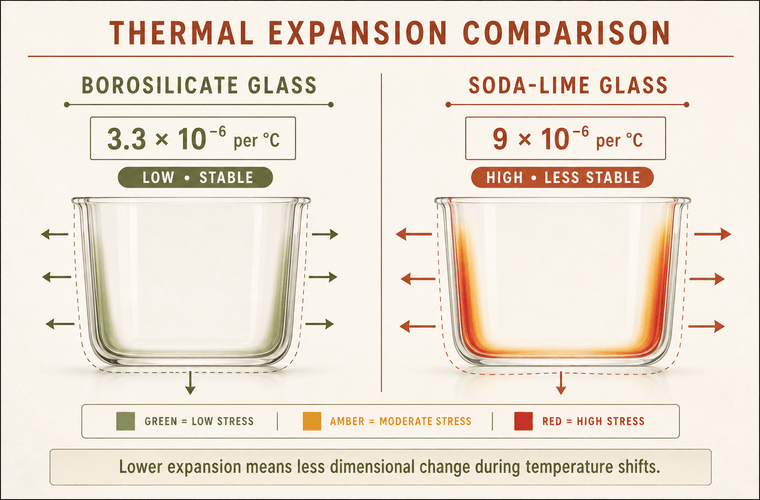
Yes. Glass containers are microwave safe. Remove the lid before microwaving and reheat in 90-second intervals, stirring between rounds. Borosilicate glass handles microwave heat without warping or leaching any material into food, which is one of the practical advantages over plastic containers.
What is the best day to start meal prepping as a beginner?
Sunday works best for most people because it sits two days before the start of the workweek. That gives you freshly prepped food ready for Monday through Thursday. If Sunday does not work, Saturday afternoon is equally effective. The day matters less than picking one day and repeating it every week.
Can I freeze meal prep in glass containers?
Yes, as long as the containers are labeled freezer-safe or made from borosilicate glass. Cool food completely before freezing, fill only three-quarters full to leave room for expansion, and seal with the lid locked. Soups, grains, and cooked proteins all freeze well. Fish and fresh salads do not.

Your First Meal Prep Week Starts With 8 Containers and 3 Meals
Meal prep does not have to be complicated. Eight containers. Three meals. One hour on Sunday. That is genuinely all the first week requires.
Glass food storage containers with lids make the process easier than plastic because you can see everything, clean up is simple, and the same container goes from fridge to microwave without switching. Week one is the hardest. Week two takes half the time because you already know the system.
Razab's glass meal prep containers with airtight locking lids come in the large, medium, and small sizes a beginner actually needs, without overbuying on a 30-piece set you will not use.
|
About the Author This guide was produced by the Razab Product Research Team. We ran a 4-week beginner meal prep trial testing container size combinations to confirm which starter set covers a full week of meals for one person without unused containers or mid-week restocking. Our mission is to help families reduce food waste through better storage science. |
Conversation
Join the discussion