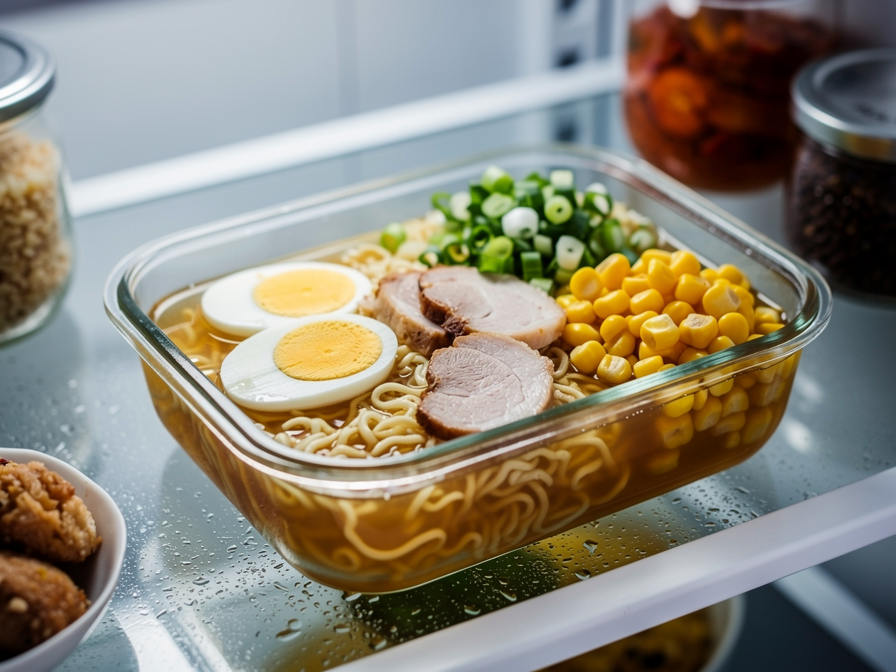

Most ramen noodles go soggy by hour two. Most homemade broth recipes take four hours. Most meal prep guides skip ramen entirely because it feels too complicated to store.
None of that has to be true.
This is a real quick ramen noodles guide that holds up in the fridge for five days, reheats without losing flavor and actually works for Sunday batch cooking. The method is not difficult. What makes the difference is how you store the components.
We will get into that. But first, the recipe.
What Are the Core Ramen Ingredients?
Good ramen is built from four separate components, not one pot. The broth, the noodles, the protein and the toppings each behave differently in storage. That is the part most recipes skip.
Here is what you need for a solid base recipe serving four:
The Broth
-
6 cups chicken or pork bone broth (store-bought is fine)
-
3 tablespoons soy sauce or tamari
-
1 tablespoon miso paste
-
1 tablespoon sesame oil
-
4 cloves garlic, minced
-
1 inch fresh ginger, grated
-
1 tablespoon rice vinegar

The Noodles
-
400g ramen noodles (fresh or dried)
-
Water for boiling

The Protein
-
2 boneless chicken thighs, sliced thin OR
-
4 soft-boiled eggs (marinated in soy sauce works best) OR
-
200g firm tofu, cubed and pan-seared

The Toppings
-
4 green onions, sliced
-
1 cup corn kernels (canned or frozen)
-
1 cup bean sprouts
-
4 sheets nori
-
Sesame seeds
-
Chili oil or sriracha

How Do You Make Ramen at Home, Step by Step?
This is simpler than most recipes make it sound. The whole process takes about 40 minutes start to finish.
Step 1: Build the Broth
Heat a saucepan over medium. Add a small amount of oil and saute the garlic and ginger for two minutes until fragrant. Add the broth and bring to a gentle simmer. Stir in the soy sauce, miso paste, rice vinegar and sesame oil. Taste and adjust. The broth should be savory, slightly sweet and just a little sharp. Let it simmer on low for 15 minutes.
Step 2: Cook the Noodles Separately
This step is where most people go wrong. Do not cook your ramen noodles in the broth. Cook them in a separate pot of boiling salted water according to package instructions, usually three to four minutes for fresh and five to six for dried. Drain them and rinse with cold water to stop cooking. Coat lightly with a small amount of sesame oil to prevent sticking.
Separate noodles. Separate broth. Always.
Step 3: Prepare the Protein
For chicken: season the sliced thighs with salt and pepper and pan-fry in a hot skillet for three minutes each side. Rest and slice.
For eggs: bring water to a boil, lower eggs in gently and cook for exactly seven minutes. Transfer immediately to ice water for two minutes. Peel and marinate in a mix of soy sauce, mirin and water for at least an hour. These are the best eggs you will ever put in a bowl.
Step 4: Prep and Store Toppings
Toppings go on at serving time, not when storing. Slice the green onions, drain the corn and have the bean sprouts rinsed and ready. Keep them in small separate containers in the fridge.
Step 5: Assemble the Bowl
Reheat broth to a simmer. Add noodles to the bowl, ladle hot broth over them and layer on the protein and toppings. A drizzle of chili oil at the end is not optional. It is finishing the dish.
|
Quick Storage Tip Broth keeps for 5 days in the fridge. Noodles last 4 days if stored dry with a light sesame oil coating. Keep toppings in small separate containers. Assemble only when serving. |

How Do You Make Ramen Noodles from Scratch?
Store-bought dried or fresh noodles work well for this recipe. But if you want to make ramen noodles from scratch, it is doable and the texture difference is real.
You need bread flour, baked baking soda (not regular), water and salt. The baked baking soda is what gives fresh ramen noodles their chew and slight alkaline flavor. Bake regular baking soda at 250F for an hour, spread on a baking sheet, and it converts into sodium carbonate. That is the ingredient.
Mix two cups of bread flour with one teaspoon of the baked baking soda, half a teaspoon of salt and half a cup of warm water. Knead for eight minutes until the dough is smooth and firm. Rest for 30 minutes under a damp cloth. Roll thin and cut into thin strips. Cook immediately in boiling water for two to three minutes.
Homemade noodles do not store as well as dried. Use them same-day if possible.

Is Ramen Actually a Good Meal Prep Option?
Yes, with the right containers. The reason most people give up on meal prepped ramen is that they store the assembled bowl, which turns into a soggy mess by Monday.
Store the components apart and ramen becomes one of the best meal prep options out there. The broth reheats in minutes. The noodles just need a quick dip in hot water or a minute in the microwave. The proteins marinate more deeply over time.
Razab's glass food storage containers with lids are the right tool for this. Glass does not absorb broth odors, handles reheating without leaching anything into your food and seals tight enough that a container of miso broth will not announce itself every time you open the fridge. Store each component in its own container and label the day. That is the system.
See the full range of glass food storage containers that go from fridge to microwave.

Meal Prep Ramen Storage: What Goes Where?
|
Component |
Storage Method |
How Long It Lasts |
|
Broth |
Airtight glass container, fridge |
Up to 5 days |
|
Cooked noodles |
Glass container with sesame oil coating, fridge |
3 to 4 days |
|
Chicken (cooked) |
Sealed glass container, fridge |
4 days |
|
Marinated eggs |
Small glass jar in marinade, fridge |
5 days |
|
Toppings (green onion, corn) |
Small glass prep containers, fridge |
4 to 5 days |
|
Nori sheets |
Sealed in a dry bag, pantry |
Use fresh at serving time |

Are Ramen Noodles Bad for You?
The honest answer is: it depends entirely on what kind of ramen you are making and how often you eat it.
Instant ramen packets are where the health concerns come from. The seasoning packets in many instant ramen products are extremely high in sodium, often 1,500 to 2,000mg per serving, which is close to the daily limit many health authorities recommend. The noodles themselves are typically made from refined white flour with minimal fiber.
Homemade ramen is a different conversation. You control the sodium by adjusting how much soy sauce and broth concentrate goes in. You can add protein with chicken, eggs or tofu. You can load the bowl with vegetables.
Where it gets tricky is storage in plastic containers. Reheating acidic broth or fatty protein in plastic, especially older containers, raises real questions about what leaches into food. Glass does not have this problem. It is inert, meaning it does not react with food regardless of acidity or heat. That is the practical reason Razab designs its containers specifically for people who reheat meals regularly.

What Are the Best Instant Ramen Noodles for a Semi-Homemade Bowl?
If you do not have time for a full homemade broth, instant ramen is not automatically a bad choice. The trick is using the noodles as the base and building your own broth on top.
Several widely available brands make dried ramen noodles without the seasoning packet, which gives you the chew and texture of a proper noodle without the sodium overload. Alternatively, buy instant ramen packs, discard the seasoning packet entirely, and use your own miso-soy broth.
Brands that tend to work well for this approach include Sun Noodle (if you can find fresh), Myojo and Hakubaku. All three produce noodles with a good bite that hold up to a hot broth pour without immediately going limp.
Store any leftover noodles from these brands the same way you would homemade: drained, cooled, lightly oiled and sealed in a glass container.

Why Does Container Choice Matter for Ramen Meal Prep?
Broth is one of the most aggressive things you can store. It is high in salt, sometimes acidic from the soy or vinegar, and often contains fat from the protein. Plastic containers are not ideal for this.
Fats are particularly efficient at picking up whatever is in the container walls. If your plastic storage has any age on it, or if it goes in the microwave, the fat in your broth or protein can pull in trace compounds from the plastic.
A glass loaf pan with lid is excellent for storing a batch of marinated eggs or a portion of cooked protein. The flat bottom keeps things level, the lid seals without letting odors migrate to the rest of the fridge, and it goes straight into the microwave when you are ready to serve.
Glass is not a premium lifestyle choice. It is just the right material for food that gets stored and reheated.

Five Things That Make Homemade Ramen Better Every Time
These are small things. Each one matters more than you would expect.
-
Rinse your noodles after cooking. Cold water stops the carry-over cooking and removes surface starch. Not doing this is why noodles clump and go mushy in storage.
-
Season the broth before the noodles go in. Taste it on its own. The bowl will be diluted slightly by the noodles and toppings, so the broth should taste slightly more intense than you want the final bowl to be.
-
Marinate the eggs overnight if you can. Six hours is the minimum. Twelve is where they actually get good.
-
Use toasted sesame oil as a finish, not as a cooking oil. It burns quickly and loses its flavor. Add it right at the end.
-
Keep the toppings cold and add them after the broth goes in. Hot broth wilts them just enough. Cooking them separately makes the bowl taste like a diner plate.
If you do this kind of cooking regularly, you want containers that actually hold up to it. Airtight glass containers that block out humidity and odor between uses are what Razab is built around. Glass that goes from fridge to microwave without any caveats.

FAQs
How long does homemade ramen broth last in the fridge?
Homemade ramen broth lasts up to five days in the fridge when stored in a properly sealed container. Glass containers are the best option because they do not absorb the broth's smell or take on staining from soy sauce. Freeze broth in portions if you want it to last longer, up to three months.
Can I make ramen noodles from scratch without a pasta machine?
Yes. The dough is stiffer than pasta and rolls well by hand. Use a rolling pin and cut with a sharp knife. The noodles will not be as uniform as machine-cut, but the texture and flavor are the same. Use bread flour, not all-purpose, for the right chew.
What is the difference between easy ramen noodle recipes and real ramen?
Mostly time and broth depth. Real tonkotsu broth takes eight or more hours of simmering pork bones. Easy ramen uses store-bought broth with miso, soy and sesame oil to build flavor quickly. The noodles are identical. For weeknight cooking or meal prep, the quick version is genuinely good. Nobody needs to spend a full day on broth.
Are ramen noodles bad for you if you eat them every week?
Homemade ramen eaten weekly is a perfectly reasonable meal. The concern with ramen is usually the sodium load from instant seasoning packets and the lack of protein or vegetables in a basic bowl. Build your own broth, add real protein and vegetables and the nutritional picture is completely different. The noodles themselves are just wheat flour.
How do you keep ramen noodles from getting soggy during meal prep?
Cook and drain the noodles. Rinse with cold water. Toss with a small amount of sesame oil. Store them dry in a sealed glass container, completely separate from the broth. Reheat the broth and pour it over the noodles at serving. The noodles soften in about 60 seconds in hot broth. They do not need reheating on their own.
What protein works best for meal prep ramen?
Soy-marinated soft-boiled eggs are the most forgiving because they actually improve over a few days in the marinade. Chicken thigh holds up better in reheating than chicken breast, which dries out. Tofu works well if pan-seared first. Avoid adding raw protein directly to the broth for storage.
The Only Thing That Ruins Good Ramen Is Bad Storage
This is a meal that people avoid making at home because they assume it will not keep. It keeps perfectly well when you treat the components as separate things.
Broth in one glass container. Noodles in another. Protein in its own sealed jar. Toppings handled fresh.
Four containers instead of one assembled bowl. That is genuinely all it takes. Razab, trusted by over 10 million families, designs glass containers around exactly this kind of cooking. See the full range of glass meal prep containers built for this exact problem.
|
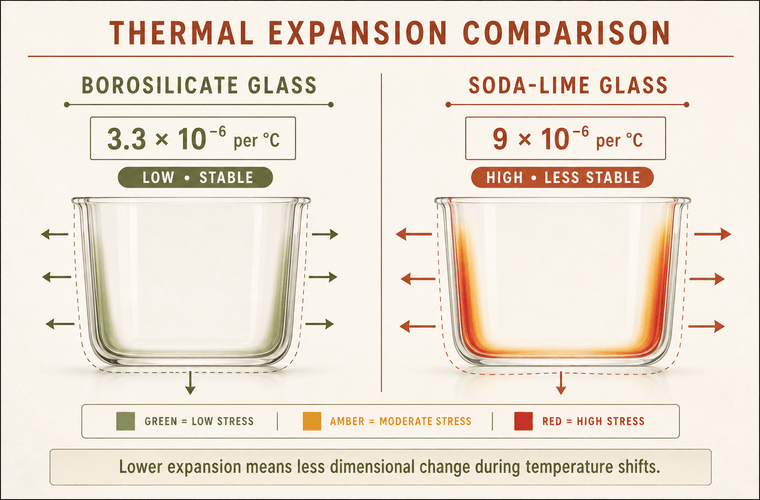
About the Author This guide was produced by the Razab Product Research Team. Our team tested airtight glass container seal performance specifically against broth storage over repeated five-day cycles, confirming that borosilicate glass maintains zero odor transfer even with high-sodium, high-fat broths reheated daily. Our mission is to help families reduce food waste through better storage science. |
Conversation
Join the discussion