
|
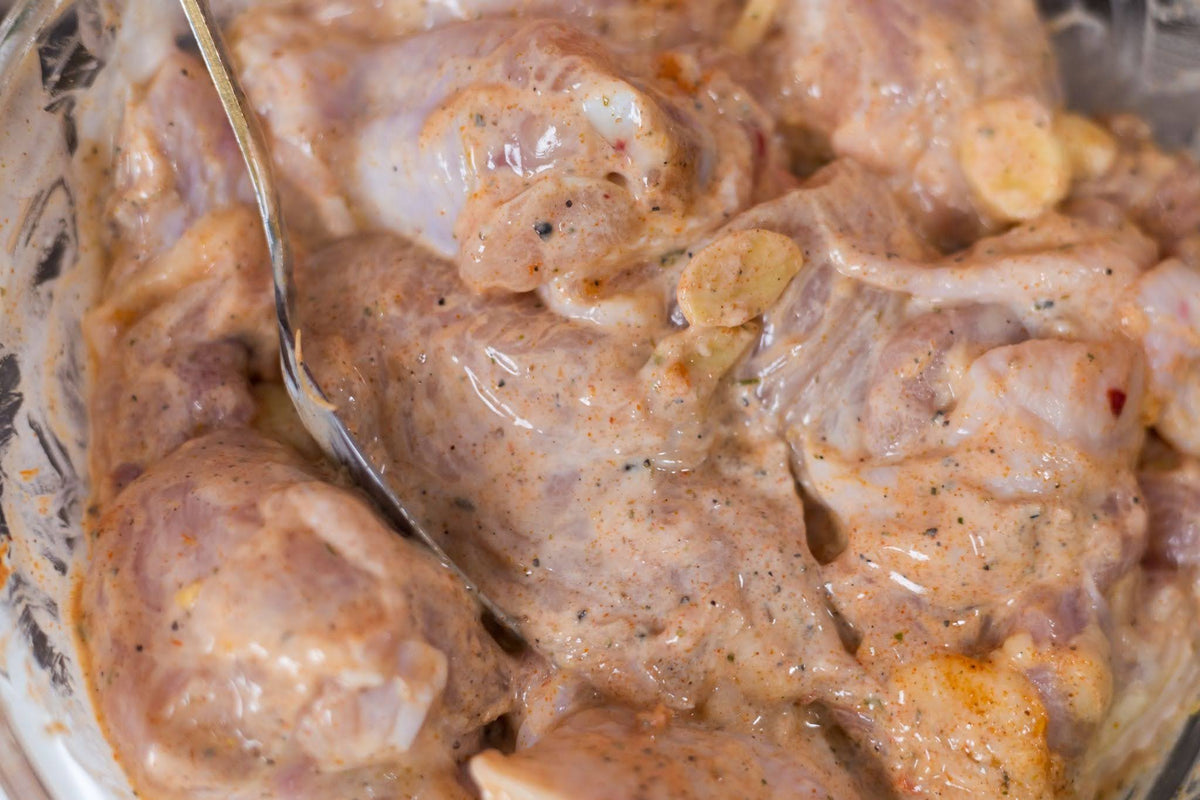
Yes, you can marinate in glass containers. Glass is actually the best material for marinating because it is completely non-reactive, meaning acids in the marinade, like lemon juice, vinegar, or yogurt, will not interact with the container or alter the flavor of the meat. It also does not absorb bacteria or smells between uses. |
You have chicken sitting in the fridge ready to go, and all you have is a glass container. Can you use it? Not only can you, it is the better choice.
Most marinating guides mention glass in passing and move on. This one is specifically about why glass works, how long you can marinate different proteins, and how to do it without making a mess or a food safety mistake.
The short version: glass is non-reactive, non-porous, and already has a lid. Can you marinate in glass containers? Yes, every time.
Why Glass Is the Best Container for Marinating
|
Glass is non-reactive, which means the acids in your marinade, vinegar, citrus juice, wine, yogurt, will not interact with it chemically. Metal containers react with acid and transfer a metallic taste to the meat. Plastic containers absorb bacteria in surface scratches and grooves, which is especially risky with raw meat. Glass does neither. |
Why should you not marinate meat in metal containers? Aluminum in particular reacts with acidic ingredients. A lemon and herb marinade sitting in an aluminum bowl overnight can pull a metallic off-taste into the chicken. The acid breaks down the surface layer of the metal, and some of that ends up in your food.
Plastic has a different problem. Even BPA-free plastic develops micro-scratches over time from dishwasher cycles and utensil contact. Those scratches trap bacteria. Raw chicken or beef marinating in a scratched plastic container is a genuine food safety concern, especially for overnight marinating.
Glass has no scratches, no reactive surface, and no coating to break down. The same container you use for soup works perfectly for a 12-hour overnight chicken marinade. Nothing transfers. Nothing lingers.
There is one more practical advantage that gets ignored: glass containers already come with a lid. No plastic wrap, no foil, no searching for something to cover a bowl. The lid locks down, the container goes into the fridge, and that is it.

Is Glass Safe for Acidic Marinades?
|
Yes, glass is completely chemically inert. Acidic marinades, including lemon juice, vinegar, citrus-based sauces, wine, buttermilk, and yogurt, cannot break down glass or react with it in any way. Can acidic marinade damage glass containers? No. The same cannot be said for aluminum or reactive metals, where acid literally corrodes the surface over time. |
Borosilicate glass, the material Razab glass containers as well as glass meal prep containers are made from, is especially stable. It is used in laboratory equipment and pharmaceutical bottles specifically because it does not react with acids, bases, or any food ingredient. A red wine and herb marinade sitting against borosilicate glass for 24 hours will come out tasting exactly like red wine and herbs.
Acidic ingredients actually break down plastic surfaces faster than neutral ones. Tomato-based marinades, citrus, and vinegar all accelerate the micro-erosion of plastic. Over months of use, that means more surface area for bacteria and more potential for material transfer into food. Glass stays exactly as it started.
For anyone already using glass containers for everyday food storage, the same containers work for marinating without any adjustment.
How Long Can You Marinate in a Glass Container?
|
The marinating time depends on the protein, not the container. Glass does not speed up or slow down marinating. Follow USDA food safety guidelines: refrigerate always, never marinate at room temperature, and do not exceed recommended times. Over-marinating breaks down the meat texture rather than improving it. |
Can I marinate chicken overnight in a glass container? Yes. Chicken breasts and boneless cuts handle up to 24 hours well. Chicken thighs and bone-in cuts are best between 2 and 12 hours. Beyond that, the acid in the marinade starts to cook the surface of the meat rather than flavor it, giving it a chalky or mealy texture.
Fish and seafood are the exception. 15 to 60 minutes is enough. Longer than that and the acid in the marinade denatures the protein so thoroughly the fish starts to fall apart before it even hits the pan. This is the one protein where more marinating time actively makes the result worse.
|
Protein |
Minimum Time |
Maximum Time |
|
Chicken breasts / boneless |
30 minutes |
24 hours |
|
Chicken thighs / bone-in |
2 hours |
12 hours |
|
Beef (tender cuts: sirloin, ribeye) |
30 minutes |
2 hours |
|
Beef (tough cuts: flank, skirt) |
4 hours |
12 hours |
|
Pork chops / tenderloin |
2 hours |
8 hours |
|
Fish and seafood |
15 minutes |
60 minutes only |
Always marinate in the refrigerator. The USDA is unambiguous on this point: room temperature marinating creates the right conditions for bacterial growth, especially with raw poultry. Glass containers go straight from the counter into the fridge with the lid sealed, making refrigeration the natural step rather than an afterthought.
For the full picture on how long different proteins and meals stay safe in the fridge, that guide covers timelines beyond just marinating.

Tips for Marinating in Glass Without Mess
|
Use a wide, flat container so the meat lies flat and all sides get coated evenly. Lock all four clips before refrigerating. Place the container on the bottom shelf of the fridge to prevent raw meat juices from dripping onto other food. Flip the meat halfway through. Never reuse marinade that has touched raw meat. |
How to cover a glass container when marinating is actually not a question you need to answer. A glass container with a locking lid handles this automatically. Snap all four clips and the seal is done. No plastic wrap, no foil tenting, no wondering whether it is covered enough.
The bottom shelf rule matters more than people realize. Raw chicken juices dripping onto vegetables or cooked food below is one of the most common sources of cross-contamination in home kitchens. Glass with a sealed lid reduces the risk further since there is no gap for juices to escape.
Flipping the meat halfway through the marinating time is one of those steps most recipes mention once and then no one does. It matters. Marinade pools at the bottom of the container by gravity. The top side of a chicken breast sitting for 12 hours gets a fraction of the contact the bottom side does. A single flip takes five seconds.
One firm rule: do not reuse marinade that has touched raw meat as a sauce. It contains raw meat bacteria. Either discard it or bring it to a full rolling boil for at least one minute before using it as a baste or dipping sauce.
|
Razab Large Glass Containers Wide, flat borosilicate glass containers with airtight 4-point locking lids. Ideal for marinating chicken, beef, or fish without leaks. Go from marinating in the fridge to serving at the table in the same container. Available on razab.com and Amazon. |
After Marinating: How to Clean Glass Containers
|
Glass does not retain marinade smell the way plastic does. Wash immediately after removing the meat, clean the lid groove with a toothbrush since marinade liquid collects there, and hand wash the lid. The glass container body is dishwasher safe. If garlic or onion smell lingers, a 20-minute soak in baking soda and water clears it completely. |
This is one of glass's most underappreciated qualities in the kitchen. Plastic containers marinated in garlic and citrus once carry that smell for weeks, no matter how many times they are washed. Non-porous borosilicate glass containers do not absorb smells into their surface. A hot wash and the container is clean.
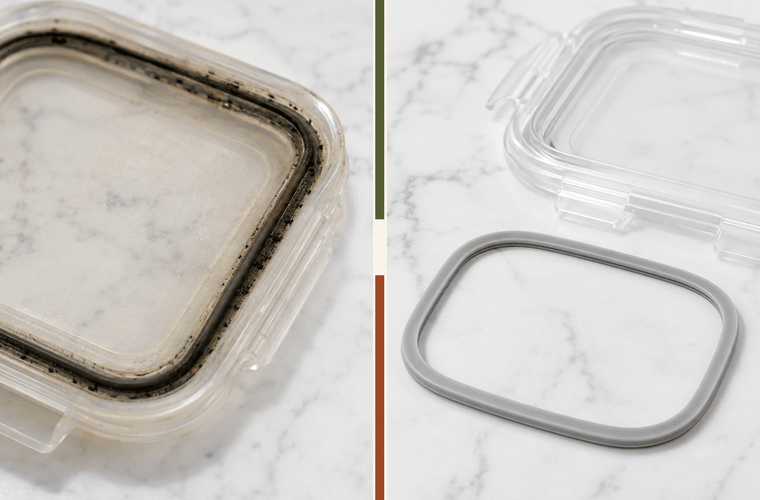
The lid groove is the one area that needs extra attention. Marinade liquid, especially oil-based ones, works its way into the silicone gasket channel during refrigerator time. A toothbrush along the groove takes 30 seconds and prevents any buildup that affects the lid seal over time.
Hand wash the lid. The glass body handles the dishwasher without issue, but the high-heat drying cycle degrades the silicone gasket and can warp the plastic lid frame over time. It is the same rule that applies to any glass container with a locking lid.
If the smell of a strong marinade, something like a fish sauce and ginger blend, lingers in the glass, fill the container with cold water, add two tablespoons of baking soda, and let it soak for 20 minutes. It clears even aggressive food smells without any scrubbing.

FAQs
Can I marinate chicken overnight in a glass container?
Yes. Boneless chicken breasts can marinate in a glass container for up to 24 hours safely, provided the container stays refrigerated the entire time. Bone-in chicken pieces do best between 2 and 12 hours. Beyond 24 hours, the acid in most marinades starts breaking down the meat texture rather than improving it.
Does glass absorb marinade smell?
No. Borosilicate glass is non-porous, meaning it does not absorb smells, oils, or bacteria into its surface. After washing, the container has no trace of the previous marinade. Plastic containers absorb odors into micro-scratches and carry them for weeks. This is one of the practical reasons glass works better for marinating.
Can I put the marinating glass container directly in the oven after?
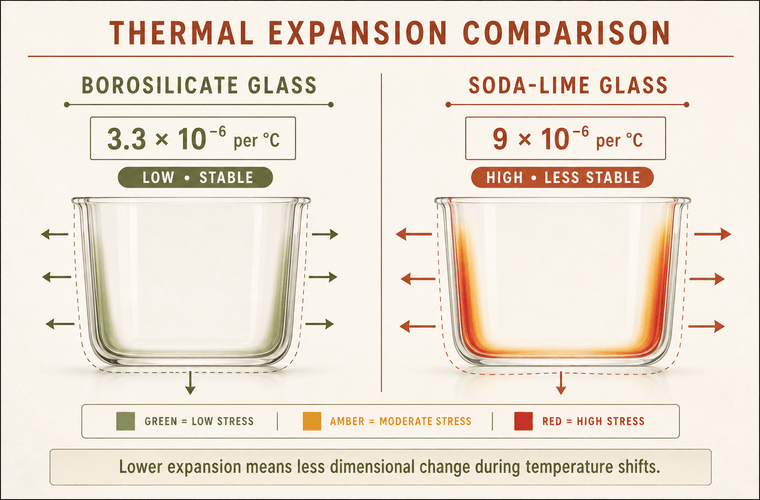
Not directly from the fridge. Glass containers should not go from a cold fridge into a hot oven in one step. The temperature swing creates thermal shock risk. Let the container come to room temperature for 20 to 30 minutes first. Borosilicate glass handles oven temperatures well once that transition is made gradually.
Is it safe to marinate beef in glass for 24 hours?
It depends on the cut. Tender cuts like sirloin should marinate for no longer than 2 hours. The acid breaks them down quickly and longer times make them mushy. Tough cuts like flank steak or skirt steak handle 4 to 12 hours. The glass container is safe for any duration. The time limit comes from the protein, not the material.
Why should you not marinate meat in metal containers?
Aluminum and some other metals react with acidic ingredients in marinades. Lemon juice, vinegar, and wine all trigger a chemical reaction that pulls a metallic taste into the meat and can discolor it. Stainless steel is less reactive but still not ideal for long overnight marinating. Glass is chemically inert and the safer, better-tasting choice.
Glass Makes Marinating Simpler and Safer
Glass containers are not just acceptable for marinating. They are the right tool for it. Non-reactive, non-porous, already lidded, already in your kitchen. Every protein from chicken to fish to flank steak benefits from a clean, chemically neutral container that does not interfere with the marinade.
Keep it refrigerated, follow the time guidelines, clean the lid groove after. That is the whole system.
Razab large glass containers with airtight locking lids are wide and flat enough for full chicken breasts to lie flat in the marinade. Same container, fridge to table.
|
About the Author This guide was produced by the Razab Product Research Team. We tested Razab borosilicate glass containers with acidic marinades, including lemon juice, red wine vinegar, and yogurt-based preparations, held at refrigerator temperature for 24 hours, confirming zero surface reaction, zero odor retention, and complete seal integrity throughout. Our mission is to help families reduce food waste through better storage science. |
Conversation
Join the discussion