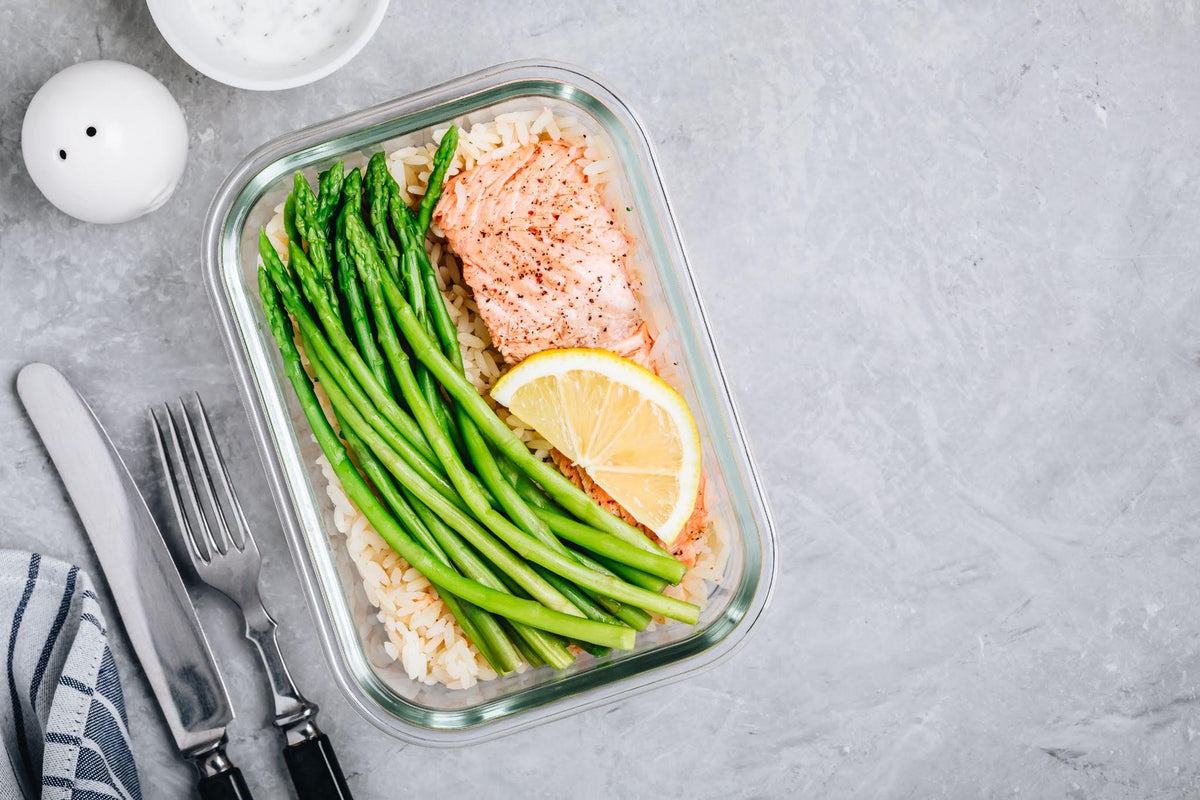

Yes. Glass containers are safe for storing fish and seafood, raw, cooked and marinated.
But that answer only tells half the story. The real question most meal preppers are asking is not just whether glass is safe. They want to know if it will hold the smell, whether the fish flavor will seep into other containers, how long seafood actually lasts in glass, and whether glass is genuinely better than plastic for this specific food category.
Those are the right questions. This guide answers all of them.
Why Glass Is Especially Good for Fish and Seafood

Plastic absorbs odors. This is not a design flaw it is just how porous materials behave over time. Store salmon in a plastic container twice and that container carries a faint fish smell from that point forward. It transfers to other foods. It never fully washes out.
Glass does not work that way. It is non-porous, which means odors do not penetrate the surface. Wash a glass container after storing salmon and it comes out neutral. No trace. No transfer. This is the single biggest practical advantage glass has for seafood storage specifically.
The second advantage is chemical safety. Fish and seafood are often stored with acidic ingredients — lemon juice, vinegar-based marinades, citrus. Acids can accelerate chemical leaching from plastic, including BPA and related compounds. Glass is chemically inert. It does not react with acids, oils or anything else in the food. What goes in stays exactly as it was.
|
Glass is non-porous and chemically inert — it does not absorb seafood odors and does not react with acidic marinades. This makes it one of the cleanest storage materials available for fish and shellfish. |
Glass vs Plastic for Seafood: The Honest Comparison
Here is how the two materials actually compare when seafood is involved:
|
Factor |
Glass Containers |
Plastic Containers |
|
Odor absorption |
None. Fully non-porous. |
Absorbs fish odors after repeated use |
|
Chemical safety with fish |
No leaching risk |
BPA/BPS risk increases with acidic marinades |
|
After washing (smell test) |
Comes out neutral |
Faint odor often lingers |
|
Airtight seal |
Depends on lid quality |
Depends on lid quality |
|
Dishwasher performance |
Full sanitization cycle works |
High heat can warp lids over time |
|
Staining from marinades |
Yellows from turmeric, teriyaki |
|
|
Safe for marinating |
Yes — glass is non-reactive |
Risk with acidic acids and citrus |
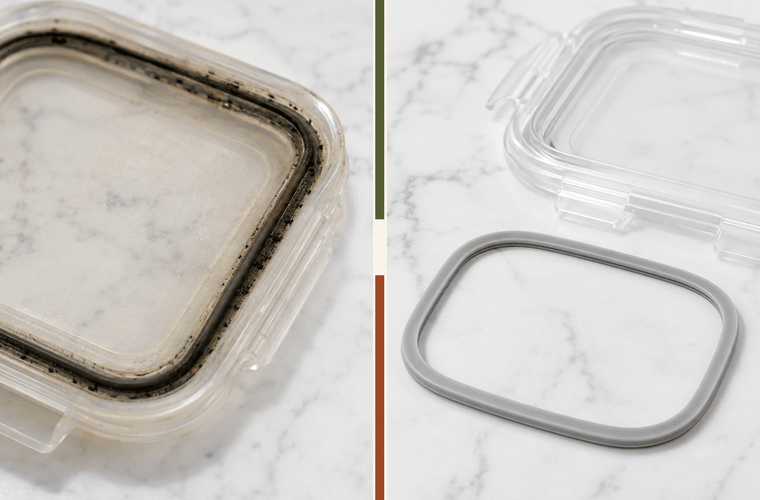
The lid matters just as much as the container material. An airtight seal keeps fish odor inside the container and out of your fridge. A poorly fitting lid defeats most of the advantage glass gives you on odor control. This applies to plastic too, but the difference is more noticeable with seafood because the smell is stronger.
Razab builds its glass food storage containers with lids with locking lids specifically designed to stay airtight through repeated use. For seafood storage, the seal is what makes the system work.
How Long Does Seafood Last in Glass Containers?

Glass does not extend seafood shelf life beyond what safe handling allows. No container material does. What glass does is maintain those safe windows reliably, without odor transfer or chemical interference.
These are the standard FDA-aligned safe storage times for seafood in airtight glass containers:
|
Seafood Type |
Fridge (glass, airtight) |
Freezer (glass) |
|
Raw fish (salmon, cod, tilapia) |
1 to 2 days |
3 to 6 months |
|
Cooked fish |
3 to 4 days |
2 to 3 months |
|
Raw shrimp |
1 to 2 days |
3 to 6 months |
|
Cooked shrimp |
3 to 4 days |
2 to 3 months |
|
Scallops (raw) |
1 to 2 days |
3 to 6 months |
|
Cooked crab / lobster |
3 to 4 days |
2 to 3 months |
|
Marinated fish (raw) |
Up to 24 hours |
2 to 3 months |
A few things worth knowing about these timeframes. Raw fish should be stored on the lowest shelf in the fridge, where temperatures are most consistent. The 1 to 2 day window is not flexible — raw fish deteriorates faster than most proteins and the risk of bacterial growth is real past that point.
Cooked fish holds longer because the cooking process eliminates surface bacteria. The 3 to 4 day window assumes the fish was cooled properly before being sealed and refrigerated.
For freezing: Glass handles freezing well when used correctly. Leave at least half an inch of space at the top of the container. Liquids expand as they freeze and a container packed too full will crack. This is the one thing people get wrong most often.
Can You Marinate Fish in Glass Containers?

Glass is the best material for marinating fish. Full stop.
Most marinades are acidic — lemon juice, lime, rice wine vinegar, soy sauce. These acids interact with plastic over time. They can degrade the plastic surface and increase the rate at which chemicals migrate into the food. The longer the marinade contact time, the higher the risk.
Glass is non-reactive. Acidic marinades sit against a glass surface with no chemical exchange happening. The flavor of the marinade goes into the fish, not into the container wall.
One practical note: do not marinate fish for more than 24 hours in the fridge even in glass. Acid denatures fish protein — the texture starts to break down past that point. For delicate fish like tilapia or cod, 30 minutes to 2 hours is usually enough.
The One Thing Most Storage Guides Get Wrong About Seafood
Most food storage articles tell you to wrap raw fish tightly before refrigerating. The idea is that tighter packaging means less odor exposure. That logic is backwards.
Wrapping raw fish tightly in plastic wrap and then placing it in a container creates a moisture trap. Bacteria thrive in trapped moisture. A well-sealed glass container with a locking lid controls odor AND gives the food a clean, stable environment without moisture buildup.
The other thing guides skip: container size relative to portion size matters more than people think. A half-empty container means more air in contact with the fish. More air means faster oxidation and faster odor development. Size the container to the portion. A tight fit with minimal headspace is better storage than a large container half-filled.
Razab carries several sizes in its glass meal prep containers specifically because one size does not fit every prep situation. For fish and seafood portions, the mid-size containers tend to work best.

Practical Tips for Storing Fish and Seafood in Glass
A few habits that make a real difference:
-
Pat fish dry before sealing. Excess moisture speeds up bacterial growth. A quick pat with paper towel before closing the lid makes a measurable difference in how long the fish stays fresh.
-
Store raw seafood on the bottom shelf. This is both a temperature and contamination issue. The bottom shelf is coldest and any potential drips stay contained.
-
Do not mix raw and cooked. Even in separate containers, store raw seafood in a different fridge zone from cooked fish. Cross-contamination from drips is a real food safety concern.
-
Let cooked fish cool before sealing. Sealing hot food in glass creates condensation inside the container. That moisture accelerates spoilage. Cool to room temperature first, then seal and refrigerate.
-
Use the sniff test honestly. Cooked fish at day 3 should smell like the fish you cooked — not sour, not sharp, not "off." If it smells wrong, it is wrong. Glass keeps odors contained enough that opening the lid gives you an honest read.
Is Glass Safe to Use for All Types of Seafood?

Yes. Glass is appropriate for every seafood category: finfish, shellfish, crustaceans, mollusks and cured or smoked fish.
Smoked and cured fish deserve a specific mention. Cold-smoked salmon, gravlax and cured herring have very strong odors and high salt content. Plastic containers are a poor match — the salt and fat combination accelerates odor absorption into the container walls. Glass handles these without issue and without retaining smell after washing.
Shellfish like mussels and clams are typically stored live and cooked before refrigerating. Once cooked, standard glass storage rules apply. Live shellfish should not be stored in airtight containers — they need airflow. A bowl covered loosely with a damp cloth is correct for live shellfish. Glass does not change this rule.
If seafood safety is part of a broader concern about food storage materials, the guide on non-toxic food storage covers the full picture on BPA, glass, stainless and what the research actually says.
What to Look for in a Glass Container for Seafood Storage

Not all glass containers are equal when it comes to seafood. Three things matter specifically:
Lid quality and seal tightness. This is the non-negotiable. For seafood, the lid does more work than the container itself. A lid that does not lock and seal properly lets odor escape into the fridge. Look for lids with a locking mechanism, not just a snap fit.
Container size options. Seafood portions vary. A salmon fillet for two is a different storage problem than six shrimp skewers for meal prep. Having multiple sizes means you can always size the container to the food, which reduces oxidation and extends freshness.
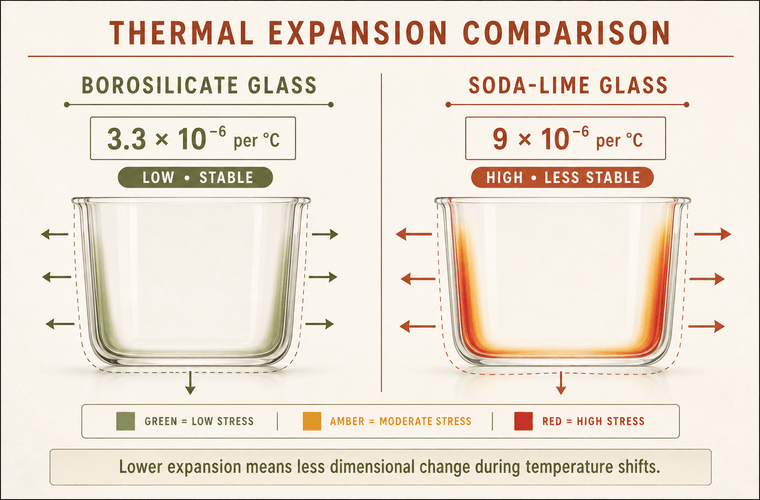
Borosilicate vs soda-lime glass. Borosilicate glass handles temperature changes better. If you go from marinating in the fridge to cooking in the oven, borosilicate handles the thermal shift without cracking. Standard soda-lime glass is fine for fridge and freezer storage but less suitable for direct oven use.
Razab uses borosilicate-grade glass with lockable lids across its container sets. For families who prep seafood regularly, having a set built for this kind of use means fewer workarounds and less wasted food.

FAQs
Can I store raw fish in glass containers overnight?
Yes, for 1 to 2 days. Raw fish stored in an airtight glass container in the coldest part of the fridge (typically the bottom shelf) stays safe for up to 2 days. Beyond that, the risk of bacterial growth is high regardless of container material.
Will my glass containers smell like fish after washing?
No. Glass is non-porous, so fish odors do not penetrate the surface. A standard wash with dish soap is enough to remove any smell completely. This is one of the main reasons glass outperforms plastic for seafood storage specifically.
Can I freeze fish in glass containers?
Yes, with one precaution. Leave at least half an inch of headspace at the top of the container before freezing. Liquids and moist foods expand as they freeze and a tightly packed container can crack. Properly spaced glass containers hold up well in the freezer for 3 to 6 months for raw fish.
Is it safe to marinate fish in glass overnight?
In terms of container safety, yes. Glass is non-reactive and handles acidic marinades without any chemical exchange. From a food quality standpoint, overnight marinating is fine for firm fish like salmon or swordfish. Delicate fish like tilapia or sole can over-marinate and lose texture in a few hours. Keep raw marinating fish in the fridge at all times.
Can plastic smell transfer to my fish if I store them in the same fridge?
If the plastic containers holding other foods are not airtight, yes — odors can circulate in a fridge. The more relevant issue is the other direction: fish odor escaping from a poorly sealed container and affecting other foods. An airtight glass container keeps seafood smell contained and away from everything else.
What is the best container size for meal prepping fish?
For a standard single-serving fillet (4 to 6 oz), a 1,000 to 1,500 ml container with minimal headspace works well. For batch prep of multiple portions, a 2,000 to 3,000 ml container sized to the full batch is better than storing portions individually. Less air contact means slower oxidation.
Wrapping Up
Glass works for seafood. Better than plastic for odor control. Better for marinating. Cleaner after washing. Safe for every type of fish and shellfish.
The only thing glass cannot do is extend safe storage time beyond what food handling rules allow. No container does that.
Buy the right size. Make sure the lid actually seals. Store raw seafood on the bottom shelf. That is it.
Browse the full Razab glass container collection — sets available in multiple sizes, with locking lids built to contain what is inside. As featured in Food Network and Better Homes & Gardens, and trusted by families who prep seafood every week.
Conversation
Join the discussion