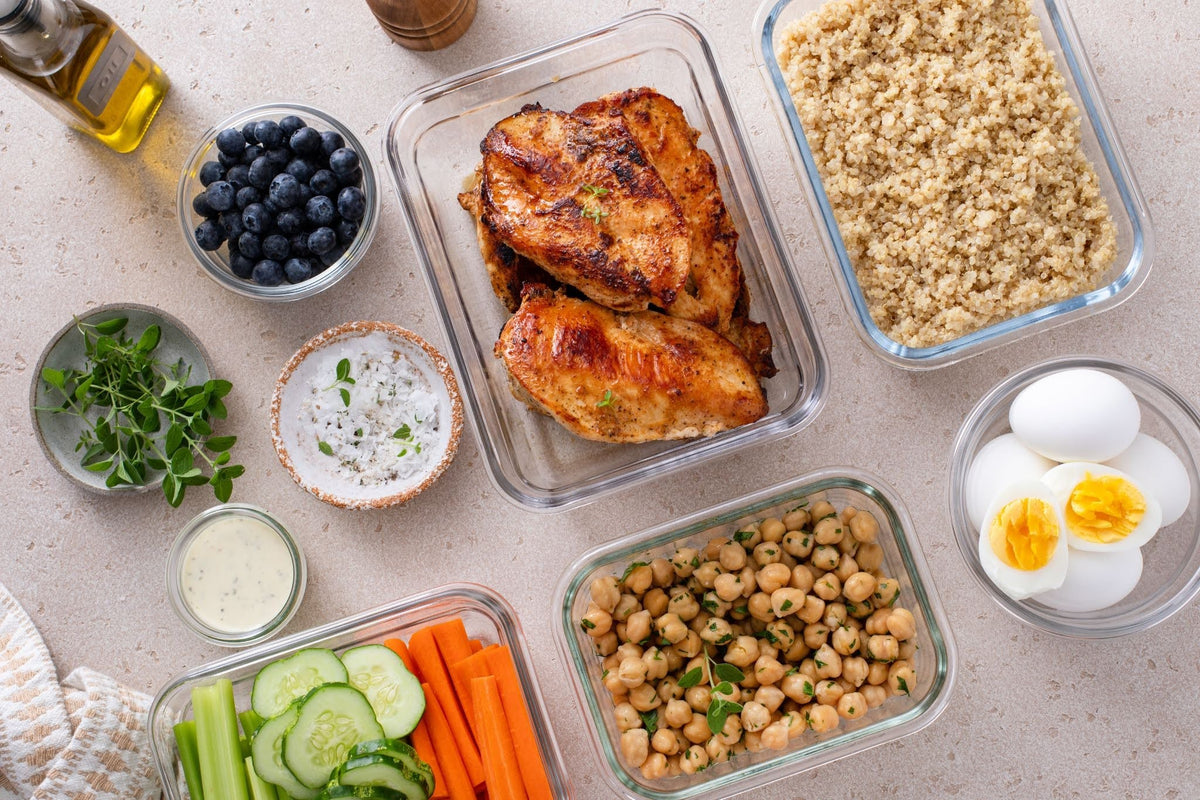

Nobody wants to turn on the oven in July. Especially not for an hour of meal prep that leaves the kitchen ten degrees hotter and you standing in front of the open fridge hoping for a breeze.
The good news: some of the best summer meals require zero cooking. No heat, no stove, no oven. Just fresh ingredients, fifteen minutes of assembly, and the right containers to keep everything crisp and flavorful through the week.
This guide covers seven no-cook summer meal prep recipes designed to stay fresh five to seven days in glass containers. Each recipe includes what to make, how to store it, and exactly how long it holds. The recipes are built around foods that actually benefit from sitting in glass for a day or two as flavors develop.

Why Glass Containers Work Better for Summer Meal Prep
Glass has a measurable thermal advantage over plastic in hot weather. Glass has a higher heat capacity than most plastic, which means it absorbs less ambient heat and holds cold temperatures longer once chilled. In summer, when your kitchen and fridge are working harder, that difference matters.
There are three practical reasons glass outperforms plastic specifically in summer meal prep:
- No chemical transfer with acidic foods. Summer staples — citrus dressings, vinaigrettes, tomatoes, berries — are highly acidic. Acid accelerates chemical leaching from plastic. Glass is chemically inert and does not react with acidic ingredients at any temperature.
- No odor absorption between meals. Glass does not absorb food smells, so garlic-forward grain salads stored next to fruit in the fridge do not cross-contaminate. Plastic picks up odors and transfers them.
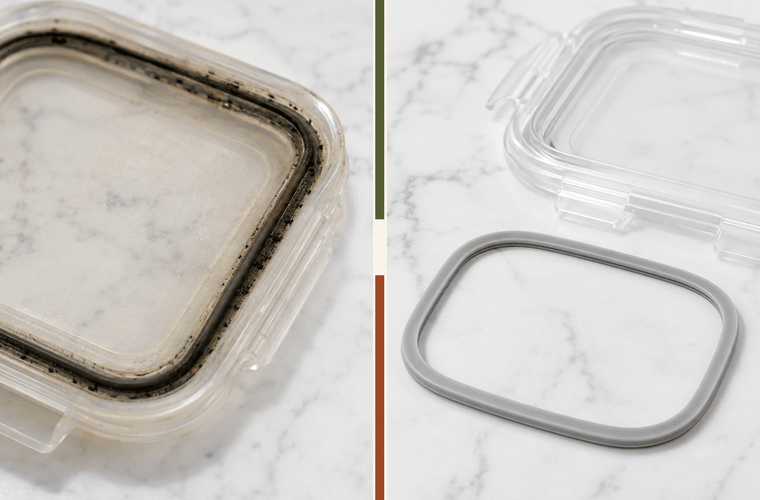
- Airtight seals extend freshness. The silicone-sealed lids on quality glass containers prevent oxidation, which is the main reason cut fruit and prepared salads turn brown and soft. A proper airtight seal buys you two to three extra days of freshness.
|
A note on summer food safety: The USDA recommends keeping prepared foods at or below 40°F. Glass containers, once cold, retain that temperature longer than thin plastic when moved between fridge and table. For summer outdoor meals, keep glass containers in an insulated bag with ice packs and do not leave food out for more than one hour when temperatures exceed 90°F. |

How Long No-Cook Summer Foods Last: Glass vs. Plastic
Here is a realistic freshness comparison for common no-cook summer prep foods stored in airtight glass versus standard plastic containers.
|
Food |
In Glass (days) |
In Plastic (days) |
Why Glass Wins |
|
Grain salads (quinoa, farro) |
5–6 |
3–4 |
No plastic taste absorption; stays neutral |
|
Overnight oats / chia pudding |
5 |
3–4 |
Airtight seal; no fridge odor transfer |
|
Hummus + dips |
7 |
5 |
Non-porous; no leaching from acidic lemon |
|
Cut fruit (melon, berries) |
4–5 |
2–3 |
Cold retention; no off-flavors from container |
|
Marinated proteins (chickpeas) |
5–6 |
3–4 |
Acid-resistant; no plastic odor crossover |
|
Dressings / sauces |
7–10 |
5–7 |
Glass does not absorb vinegar or citrus acids |
|
The right container makes this possible: Razab's airtight glass food storage containers with lids are built with silicone-sealed snap lids that create a true airtight seal. Trusted by over 10 million families across America, with 50,000+ five-star reviews. |

The 7 Recipes
Each recipe below is built for real summer life: fast to assemble, no heat required, and optimized to hold in glass containers through the week. Prep time for each is under 15 minutes.
|
Recipe 1: Smashed Cucumber Salad with Sesame and Scallions Crunchy, cold, and deeply savory — better on day two. |
|
|
What you need:
|
How to assemble:
|
|
Glass tip: Use a wide-mouth medium glass container so the cucumbers sit flat. The liquid pooling is intentional — do not drain it. | Stays fresh: 5 days refrigerated. Best from day 2 onward as flavor intensifies. |
|

|
Recipe 2: White Bean and Sun-Dried Tomato Salad High protein, no cooking, filling enough to be a full lunch. |
|
|
What you need:
|
How to assemble:
|
|
Glass tip: Beans in plastic containers take on a sour plastic taste within two days. In glass, they stay clean-flavored and absorb the olive oil and lemon beautifully. | Stays fresh: 6 days refrigerated. Flavor peaks on day 2–3. |
|

|
Recipe 3: Mango Lime Chia Pudding Breakfast or snack — no prep in the morning, just open and eat. |
|
|
What you need:
|
How to assemble:
|
|
Glass tip: Chia pudding stored in glass stays thick and creamy. In plastic, condensation pools and makes the texture watery by day three. Individual glass jars make grab-and-go breakfasts simple. | Stays fresh: 5 days refrigerated. Add mango day-of for best texture, or store it layered. |
|

|
Recipe 4: Spicy Peanut Noodle Salad (Cold) The meal prep recipe that generates the most compliments. |
|
|
What you need:
|
How to assemble:
|
|
Glass tip: Cold noodle salads stored in plastic absorb the container smell by day two, especially with sesame oil. Glass keeps the peanut and sesame flavors clean and vivid all week. | Stays fresh: 5 days refrigerated. Noodles absorb sauce over time — add a splash of water and toss before eating if needed. |
|

|
Recipe 5: Watermelon Feta Mint Salad The definition of summer in a container. Takes 8 minutes to prep. |
|
|
What you need:
|
How to assemble:
|
|
Glass tip: Store the dressing separately in a small glass container or jar and add before eating. This keeps watermelon from getting watery. The glass lid's airtight seal prevents mint from browning. | Stays fresh: 4 days for the watermelon-feta base. Add dressing and salt only at serving time. |
|

|
Recipe 6: Greek Quinoa Salad The highest-protein no-cook summer prep on this list — if you use pre-cooked quinoa. |
|
|
What you need:
|
How to assemble:
|
|
Glass tip: Quinoa salads in plastic containers taste stale by day three as the grain absorbs plastic odors. In glass, the olive oil dressing and oregano stay sharp and the feta keeps its flavor all week. | Stays fresh: 6 days refrigerated. This one genuinely gets better from day 2 onward. |
|

|
Recipe 7: Honey Lime Fruit Salad with Mint A prep that functions as breakfast, snack, or dessert all week. |
|
|
What you need:
|
How to assemble:
|
|
Glass tip: Cut fruit stored in plastic turns brown and mushy within two days. The acids in citrus fruits react with plastic and create off-flavors. In airtight glass, the lime-honey dressing preserves color and the fruit stays firm. | Stays fresh: 4–5 days in airtight glass. Store away from strong-smelling foods in the fridge. |
|

How to Store No-Cook Summer Meals to Maximize Freshness
Prep day storage strategy matters as much as the recipes themselves. A few habits extend every meal by one to two days.
-
Dry ingredients before storing. Pat cut fruit, cucumbers, and washed greens dry with paper towels before packing. Excess moisture accelerates spoilage in any container.
-
Cool everything before sealing. If anything in your prep was briefly cooked (quinoa, noodles), let it reach room temperature before closing the lid. Sealing warm food traps steam and softens textures.
-
Store dressings separately. For salads you plan to eat over multiple days, keep dressing in a small glass jar and dress portions as you go. This keeps greens and grains from getting soggy.
-
Fill containers close to full. Less air inside the container means slower oxidation. For partially eaten containers, transfer to a smaller jar rather than leaving food in a half-full large container.
-
Label with prep date. Use a small label or dry-erase marker on the lid. When you have multiple containers from one session, you stop guessing which to eat first.

Which Glass Container Size Works for Each Recipe
Matching container size to recipe is a small detail that makes a real difference in freshness and organization.
-
Small (600–900 ml): Individual chia pudding jars, dressings stored separately, single-serve fruit portions.
-
Medium (1200–1800 ml): Smashed cucumber salad, white bean salad, watermelon-feta base for 2–3 servings.
-
Large (2700–3900 ml): Greek quinoa salad for the full week, spicy peanut noodles, bulk fruit salad.
A mixed set gives you the flexibility to store different components at the right scale. Razab's glass sets come in 6, 10, 16, and 30-piece configurations with multiple sizes in each set. Featured in Better Homes & Gardens and The Spruce Eats, the containers are designed specifically for this kind of weekly prep use.
|
Find the right set for summer prep: The glass food storage containers with lids collection includes sets from 6 to 30 pieces. Every set includes multiple sizes, airtight silicone-sealed lids, and is microwave, dishwasher, and freezer safe. |

FAQs
How long do no-cook meal prep recipes stay fresh in glass containers?
Most no-cook summer prep stays fresh 4–6 days in airtight glass containers. Grain-based salads and bean dishes hold 5–6 days. Cut fruit holds 4–5 days. Chia pudding holds 5 days. Dishes with fresh herbs or dressed salads are best within 3–4 days. Keeping dressings separate extends freshness by one to two days.
Does glass actually keep food cooler than plastic in summer?
Glass has a higher heat capacity than most plastic, which means it absorbs less ambient heat and maintains cold temperatures longer once chilled. For summer meal prep, this is a real advantage especially for fruit salads and dishes stored at the front of the fridge where temperatures fluctuate most.
Can I meal prep fruit salad in glass containers and have it last all week?
Yes, with two adjustments. First, pat the fruit dry before storing to remove excess moisture. Second, store the dressing separately and add it just before eating. In an airtight glass container, fruit salad with these habits stays fresh and firm for 4–5 days. Without an airtight seal or with excess moisture, cut fruit softens within two days.
What size glass containers do I need for summer meal prep?
A mix of sizes works best. Small containers (600–900 ml) for individual portions and dressings. Medium containers (1200–1800 ml) for salads or two-serving dishes. Large containers (2700–3900 ml) for batch recipes meant to serve four to five times. A 10 or 16-piece set covers most weekly prep needs.
Is it safe to store acidic summer foods like citrus dressings and tomatoes in glass?
Yes. Glass is chemically inert and does not react with acidic foods at any temperature. Citrus juice, vinegar-based dressings, and tomatoes can be stored in glass indefinitely without altering the flavor of the food or the container. The same cannot be said for most plastic containers, where acidity accelerates chemical leaching over time.
Can I take glass containers to the beach or on a picnic?
Yes, but handle with normal care. Pack glass containers in an insulated bag with ice packs to maintain temperature. Per USDA guidelines, keep food below 40°F and do not leave it out for more than one hour when temperatures exceed 90°F. Glass is heavier than plastic for transport, but the thermal retention advantage makes it a better choice for keeping food safe in summer heat.
Make Summer the Easiest Meal Prep Season of the Year
No-cook meal prep is not a compromise. It is a smarter approach for summer: less heat, less cleanup, and meals that actually develop better flavor as they sit in the fridge. The recipes above cover breakfast through dinner, from five-minute chia pudding to a Greek quinoa salad that feeds you all week.
What makes or breaks no-cook prep is the container. Foods stored in airtight glass stay clean-flavored, hold their texture longer, and do not pick up fridge odors from neighboring meals. That is not a marketing claim. It is simple material science: glass is non-porous, chemically inert, and holds cold temperatures better than plastic.
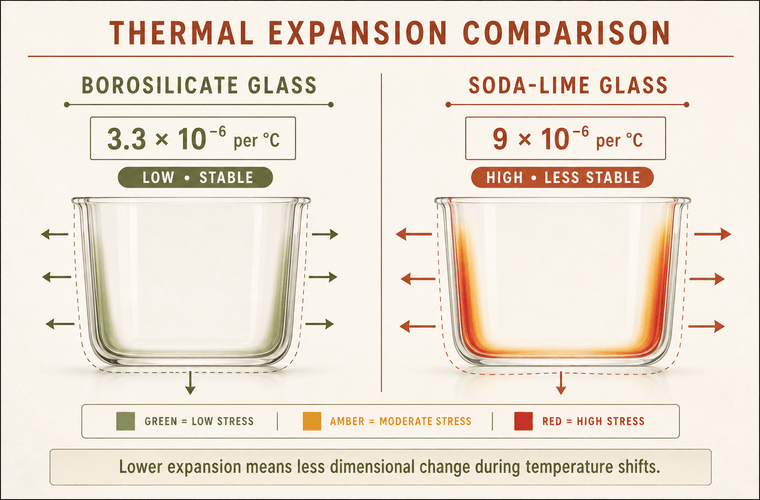
Razab's glass food storage containers, as featured in Food Network and Better Homes & Gardens, are built for exactly this use. The airtight silicone lids, borosilicate construction, and range of sizes make weekly no-cook prep genuinely effortless.
|
Ready to make summer prep easier? Browse Razab glass food storage containers with lids, available in sets of 6, 10, 16, and 30 pieces, with borosilicate glass and airtight silicone-sealed lids built for weekly prep. |
Conversation
Join the discussion